Industrial Timing Belt
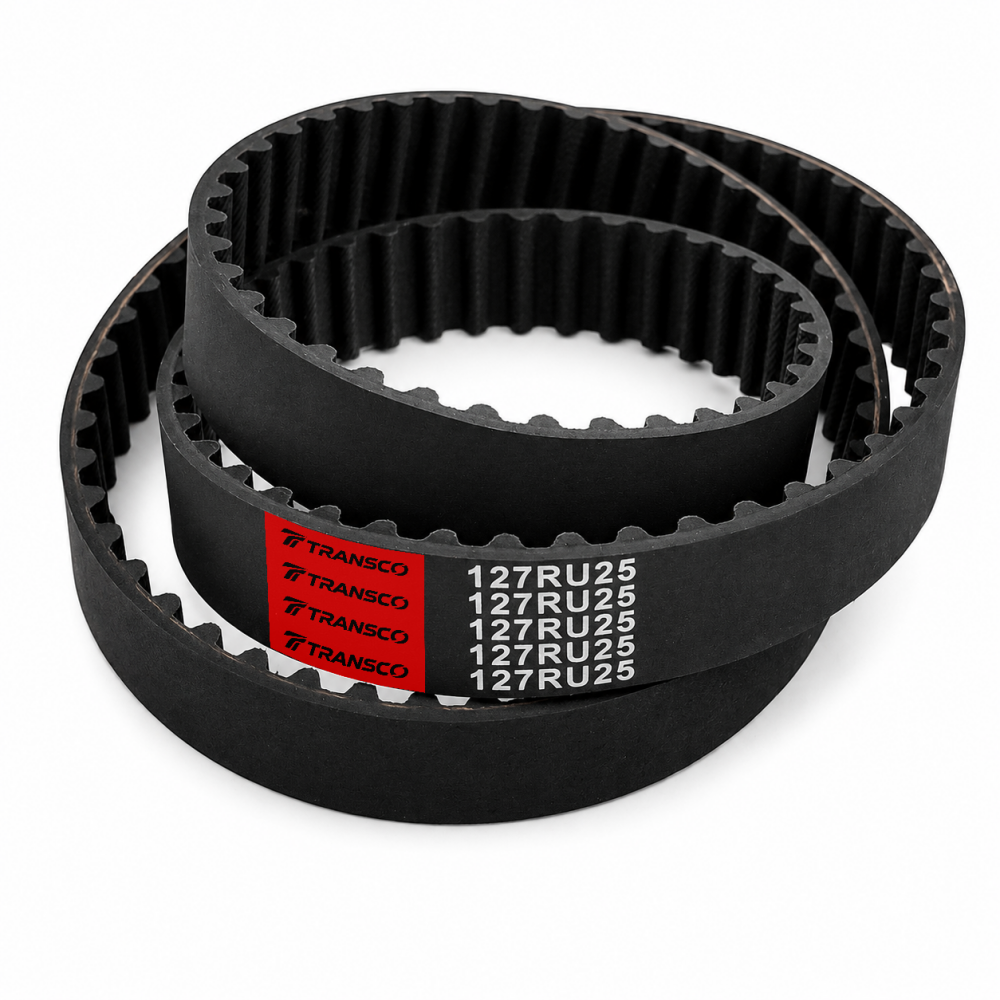
Our industrial timing belts are made from rubber or polyurethane and reinforced with fiberglass, steel, aramid, or polyester cords. They provide low elongation, stable running, low noise, and reliable positioning accuracy for continuous industrial operation.
Key Features
• Precise Transmission: Teeth engage with pulleys for stable synchronous motion.
• Low Elongation: Reinforced cords help maintain accurate belt pitch and positioning.
• Durable Structure: Rubber or polyurethane body provides strength, flexibility, and wear resistance.
• Smooth Operation: Positive tooth engagement reduces slippage, vibration, and noise.
• Wide Applications: Suitable for automation, packaging, textile, printing, food processing, and industrial machinery.
What is an Industrial Timing Belt?
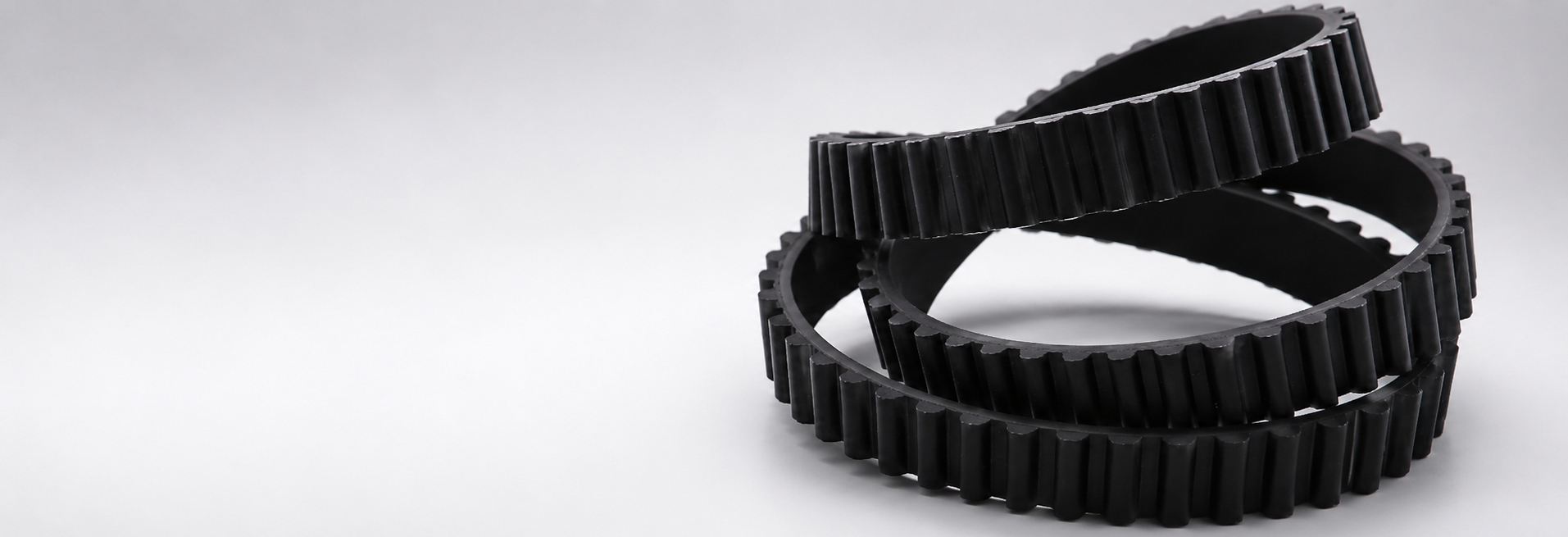
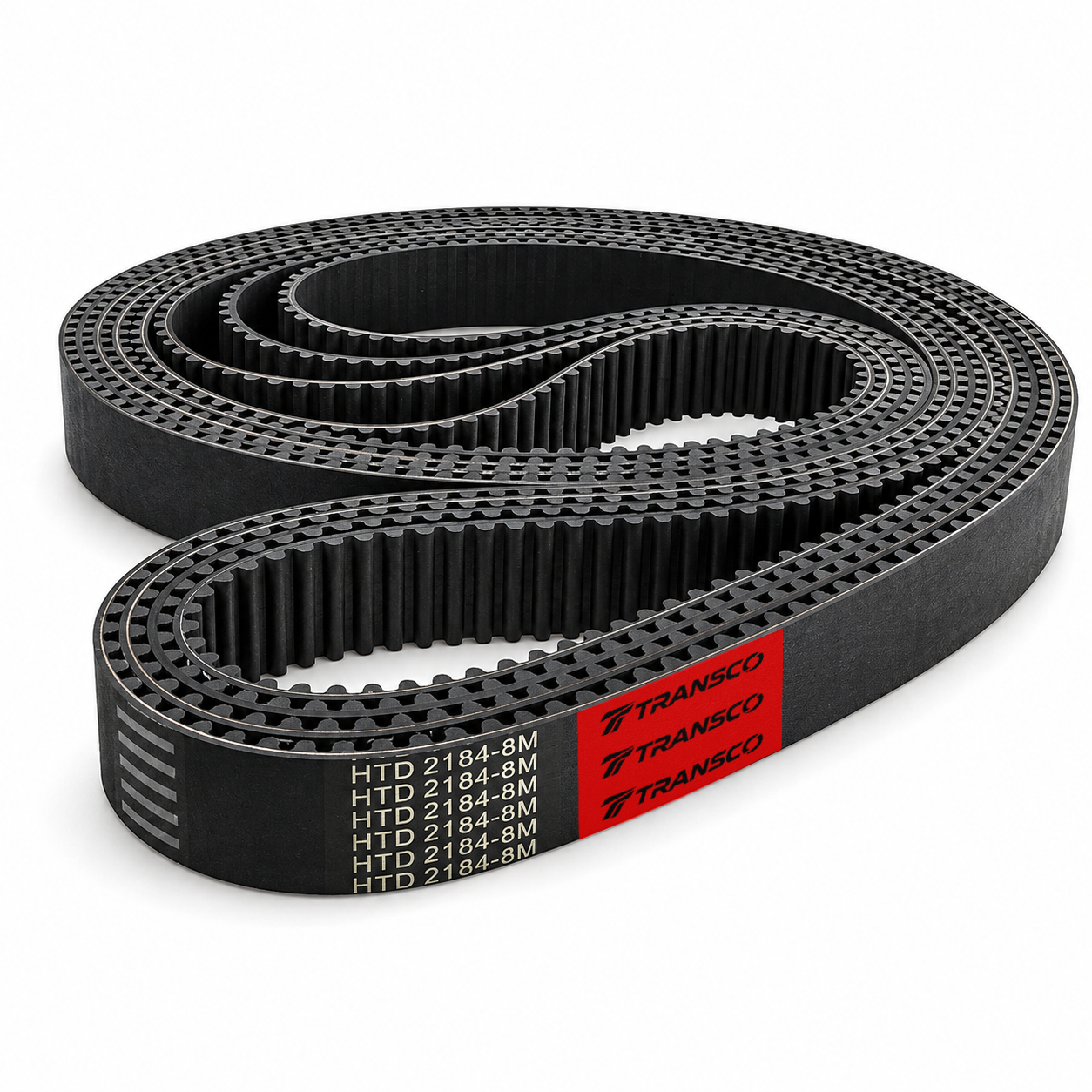
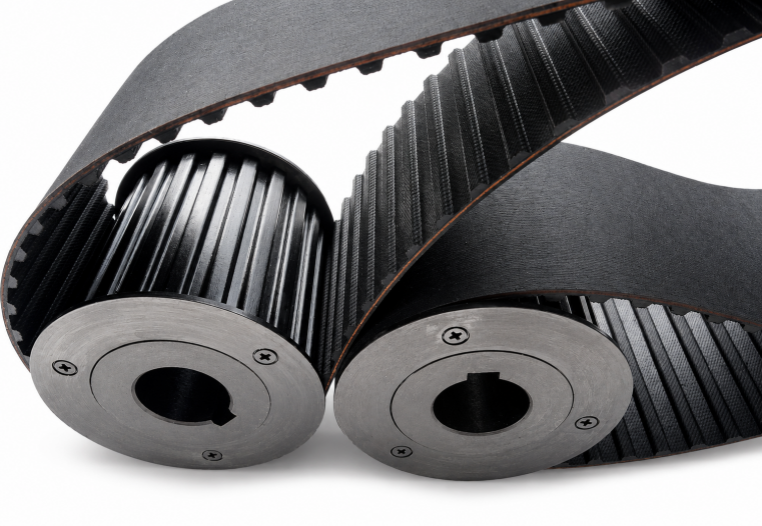
An industrial timing belt, also known as a synchronous belt or toothed belt, is a positive-drive power transmission belt designed to keep motion accurately synchronized between driving and driven shafts. Its molded teeth mesh precisely with matching pulley grooves, helping maintain a constant speed ratio and stable transmission performance under proper tension and pulley engagement.
Unlike flat belts or V-belts, industrial timing belts transmit power through tooth engagement rather than friction. This makes them suitable for applications requiring accurate positioning, repeatable motion, low maintenance, clean operation, and reliable speed control.
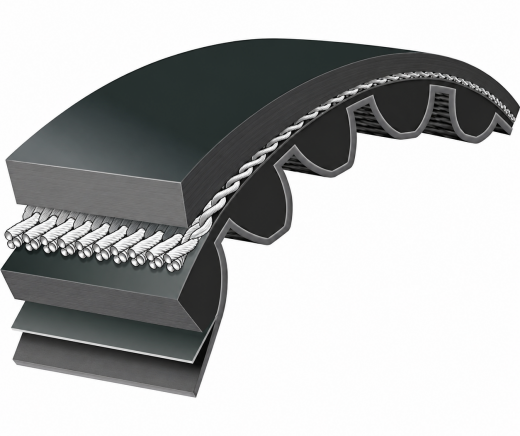
Depending on the application, industrial timing belts can be made from rubber or polyurethane and reinforced with fiberglass, steel cord, aramid, polyester, or other tensile members. Different belt materials, tooth profiles, and reinforcement structures can be selected according to load, speed, flexibility, wear resistance, and environmental requirements.
Why choose TRANSCO Industrial Timing Belt?
TRANSCO Industrial Timing Belts are designed for reliable synchronous transmission in industrial machinery, automation systems, and product handling equipment. With a broad transmission belt product range, TRANSCO supports both standard timing belt replacement and customized belt requirements.
Stable Transmission Performance: Accurate tooth engagement helps maintain a constant speed ratio, repeatable motion, and reliable positioning.
Multiple Material Options: Rubber timing belts are suitable for general industrial power transmission, while PU timing belts are ideal for clean, wear-resistant, and precision conveying applications.
Reinforced Belt Structure: Available with high-strength tensile members such as fiberglass, steel cord, or aramid cord to meet different load, flexibility, and positioning requirements.
Wide Profile Coverage: Metric, imperial, trapezoidal, and curvilinear tooth profiles are available for different pulley systems and transmission designs.
Custom Service Capability: TRANSCO supports OEM and ODM requirements, including non-standard lengths, widths, coatings, cleats, backings, private labeling, and special processing.
Industrial Application Flexibility: Suitable for packaging lines, textile machines, automation equipment, food handling systems, printing machines, and general industrial drive systems.
Global Supply Experience: TRANSCO serves customers across North America, South America, Southeast Asia, the Middle East, Eastern Asia, and Western Europe.
How to choose Industrial Timing Belt?
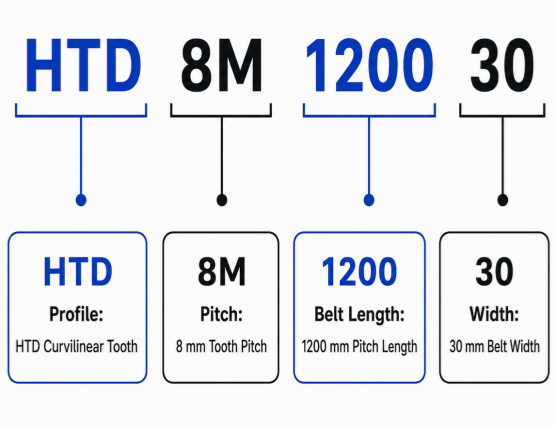
Choosing the right industrial timing belt depends on the required transmission accuracy, load capacity, belt material, tooth profile, pulley system, and working environment. A suitable timing belt should match the pulley tooth profile, belt pitch, belt length, and belt width to ensure stable synchronous transmission and long service life.
For general industrial power transmission, rubber timing belts are commonly used because they offer good flexibility, stable running performance, and reliable power transfer. For precision conveying, auto equipment, food handling, packaging lines, and clean production environments, pu timing belts are often preferred due to their wear resistance, dimensional stability, and easy customization.
When selecting an industrial timing belt, buyers should also consider tensile cord material, operating speed, load conditions, temperature, oil exposure, dust, moisture, and whether special processing is required. Coatings, cleats, guide profiles, perforations, backings, and non-standard sizes can be customized according to specific machine requirements.
A correct timing belt selection helps reduce slippage, improve positioning accuracy, lower maintenance frequency, and keep industrial machinery running smoothly.
| Quick Selection Checklist | ||
 |  |  |
| Selection Item | What to Check | Recommended Choice |
|---|---|---|
| Application Type | Power transmission, positioning, conveying, packaging, textile, printing, automation, or food handling | Choose belt structure according to working function |
| Belt Material | Rubber or polyurethane | Rubber for general drive systems; PU for clean, precise, and wear-resistant conveying |
| Tooth Profile | Match the timing pulley groove | Common profiles include MXL, XL, L, H, T5, T10, AT5, AT10, HTD, STD, and other metric or imperial profiles |
| Belt Pitch | Distance between two adjacent teeth | Must match the timing pulley pitch exactly |
| Belt Length | Inner length, pitch length, or standard belt code | Confirm according to machine design or original belt marking |
| Belt Width | Load capacity and pulley width | Wider belts are suitable for higher load transmission |
| Tensile Cord | Fiberglass, steel cord, aramid, or other reinforcement | Fiberglass for stable general use; steel cord for high strength and positioning; aramid for flexibility and lightweight design |
| Load and Speed | Torque, RPM, start-stop frequency, and shock load | Select stronger reinforcement and suitable tooth profile for heavy-load or high-speed operation |
| Working Environment | Temperature, oil, dust, moisture, chemicals, or clean room requirements | Select rubber, PU, special coating, or oil-resistant materials according to the environment |
| Pulley Compatibility | Tooth shape, pulley diameter, and alignment | Belt profile and pulley profile must be matched to avoid tooth jumping or abnormal wear |
| Surface Processing | Coating, backing, cleats, guide profiles, perforations, or grinding | Use customized processing for conveying, positioning, lifting, or product handling |
| Replacement Requirement | Original belt code, size, profile, and application | Provide belt marking, pulley data, sample, or drawing for accurate replacement |
| Custom Requirement | Non-standard length, width, color, hardness, logo, or special structure | Choose OEM or ODM custom timing belt service |
Construction
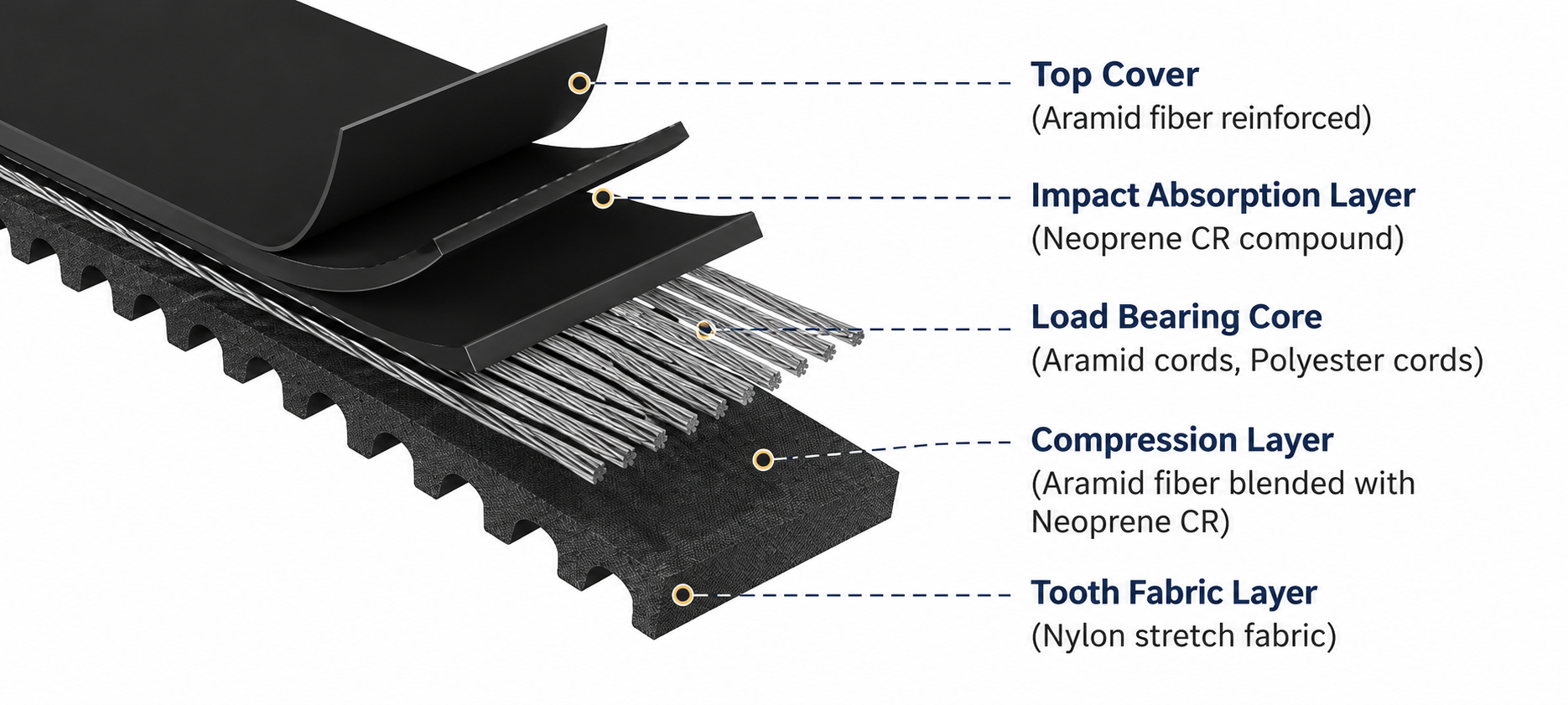 |
An industrial timing belt is built with a multi-layer structure to provide accurate synchronous transmission, stable load capacity, and long service life. Each layer works together to improve belt strength, flexibility, tooth engagement, wear resistance, and dimensional stability during continuous operation. |
Model Specifications
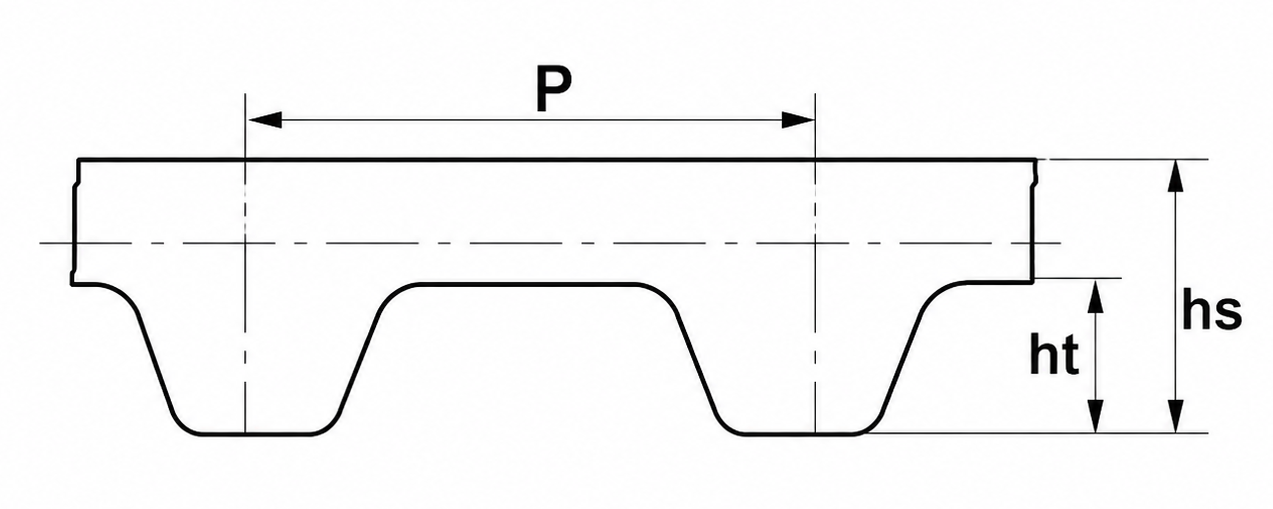 | 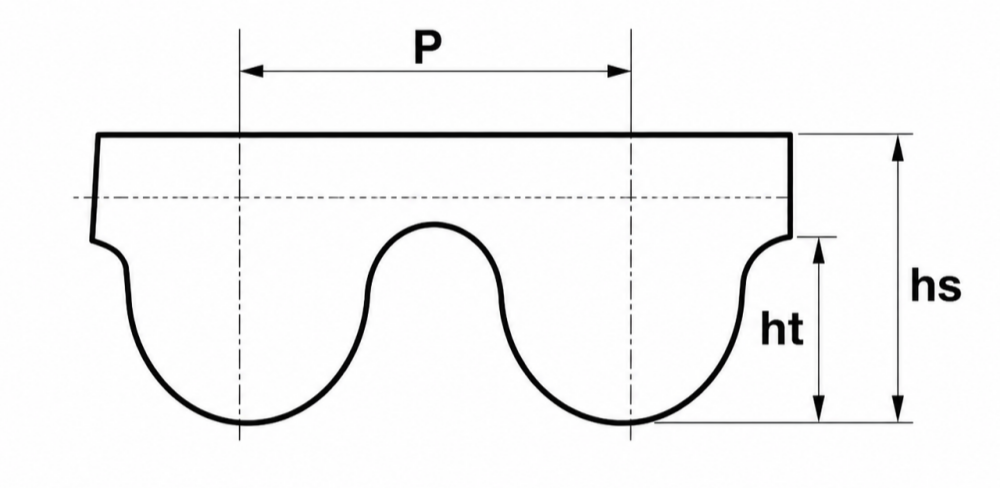 | |||||||
| Type | P | ht | hs | Type | P | ht | hs | |
|---|---|---|---|---|---|---|---|---|
| MXL | 2.032 | 0.51 | 1.14 | 3M | 3 | 1.17 | 2.40 | |
| XXL | 3.175 | 0.76 | 1.52 | 5M | 5 | 2.06 | 3.80 | |
| XL | 5.080 | 1.27 | 2.30 | 8M | 8 | 3.36 | 6.00 | |
| L | 9.525 | 1.91 | 3.60 | 14M | 14 | 6.02 | 10.0 | |
| H | 12.70 | 2.29 | 4.30 | 20M | 20 | 8.40 | 13.20 | |
| XH | 22.225 | 6.35 | 11.20 | S2M | 2 | 0.76 | 1.36 | |
| XXH | 31.750 | 9.53 | 15.70 | S3M | 3 | 1.14 | 1.90 | |
| T2.5 | 2.5 | 0.7 | 1.30 | S4.5M | 4.5 | 1.71 | 2.81 | |
| T5 | 5 | 1.2 | 2.20 | S5M | 5 | 1.91 | 3.40 | |
| T10 | 10 | 2.50 | 4.50 | S8M | 8 | 3.05 | 5.30 | |
| T20 | 20 | 5.00 | 8.00 | S14M | 14 | 5.30 | 10.20 | |
| AT5 | 5 | 1.20 | 2.70 | RP2M | 2 | 0.76 | 1.36 | |
| AT10 | 10 | 2.50 | 5.00 | RP3M | 3 | 1.15 | 1.90 | |
| AT20 | 20 | 5.00 | 8.00 | RP5M | 5 | 1.95 | 3.50 | |
| RP8M | 8 | 3.20 | 5.5 | |||||
| RP14M | 14 | 6.00 | 10.00 | |||||
Applications
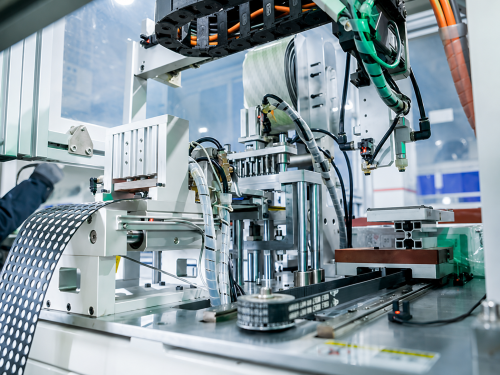 | 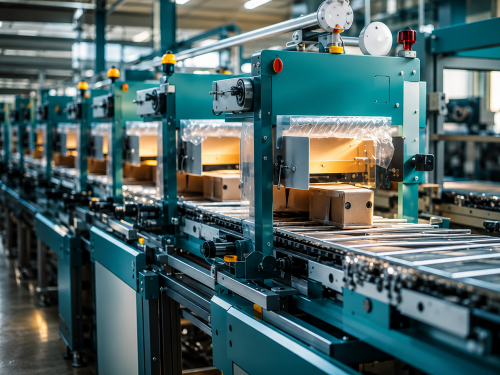 |  |
| Automation Equipment | Packaging Machinery | Textile Machinery |
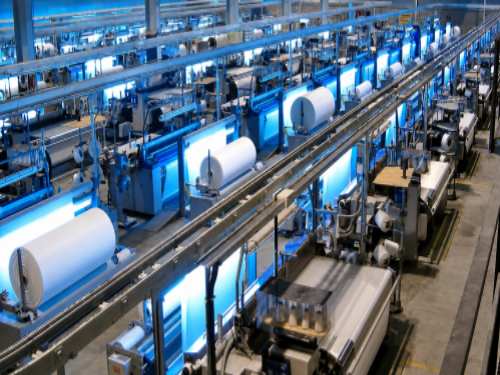
| Industrial timing belts are commonly used in automation equipment for precise linear motion, indexing, positioning, and synchronized movement. They are suitable for robotic arms, pick-and-place systems, linear modules, automated assembly lines, and servo-driven motion systems where accurate repeatability and stable transmission are required. | In packaging machinery, industrial timing belts help control product movement, sealing, filling, labeling, sorting, and carton handling processes. Their synchronous tooth engagement allows smooth operation at high speed, making them suitable for packaging lines, wrapping machines, labeling machines, filling machines, and automatic carton equipment. | Industrial timing belts are used in textile machinery to support continuous drive transmission, stable speed ratio, and smooth machine operation. They are suitable for weaving machines, spinning machines, knitting machines, embroidery machines, and fabric processing equipment where low noise, flexibility, and reliable running performance are important. |
 |  |  |
| Printing and Paper Processing Equipment | Food Processing and Clean Conveying Lines | General Industrial Power Transmission |
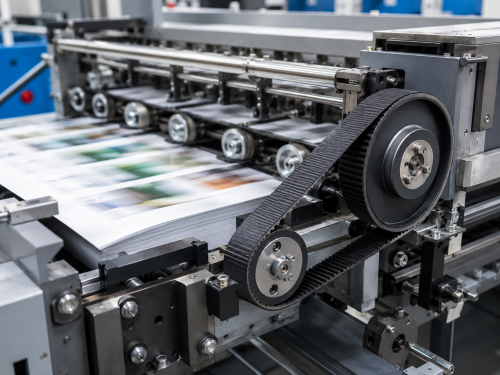
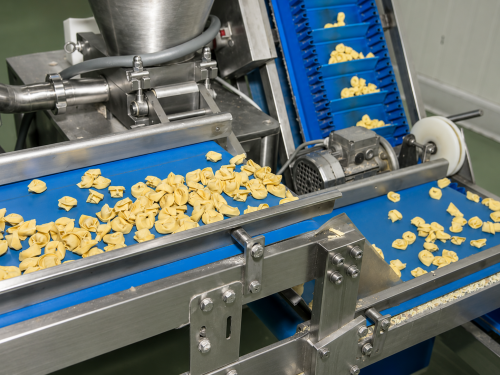
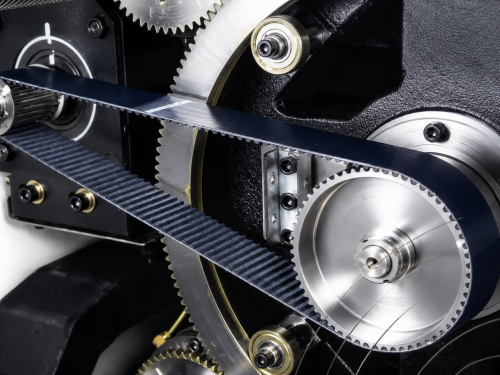
| Printing and paper processing machines require accurate belt movement to ensure stable feeding, registration, and positioning. Industrial timing belts are suitable for printing machines, digital printers, paper cutters, folding machines, binding machines, and carton printing equipment where precise synchronization helps improve production accuracy. | Polyurethane timing belts are widely used in food processing and clean conveying applications because they offer good wear resistance, stable dimensions, and easy customization. They can be used in bakery lines, sorting systems, packaging conveyors, weighing equipment, and food handling machinery where clean operation and accurate product movement are required. | Industrial timing belts are also used in general drive systems that require efficient power transmission and stable speed control. They are suitable for machine tools, pumps, compressors, woodworking machines, ceramic equipment, glass machinery, agricultural equipment, and other industrial machines that need reliable synchronous belt transmission. |
Packing and Shipping
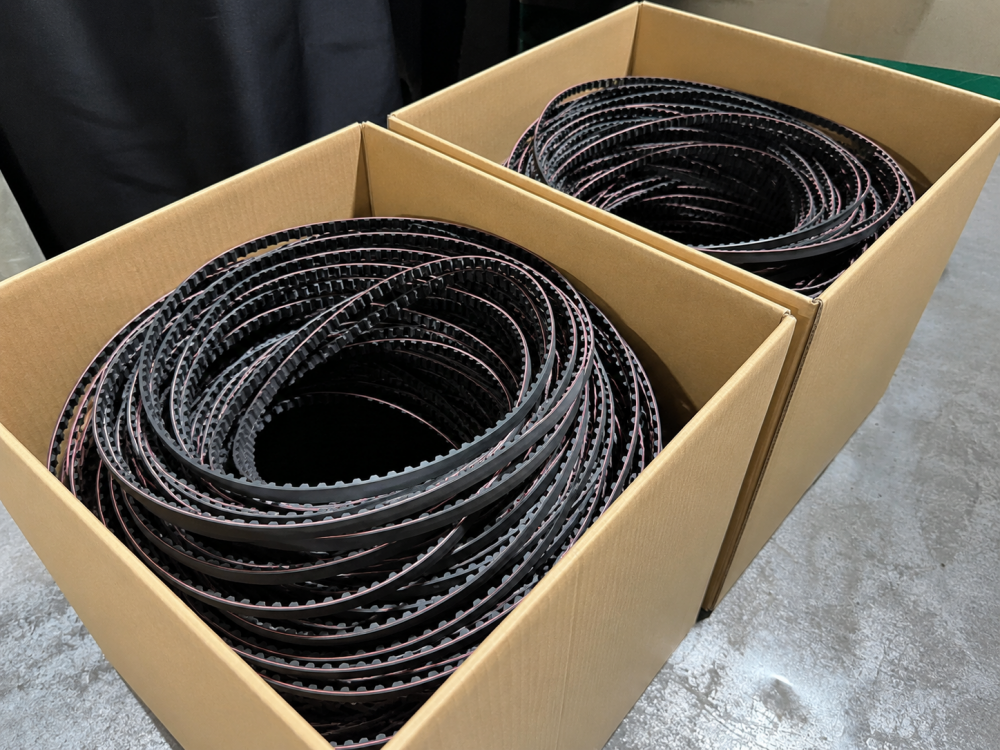 | 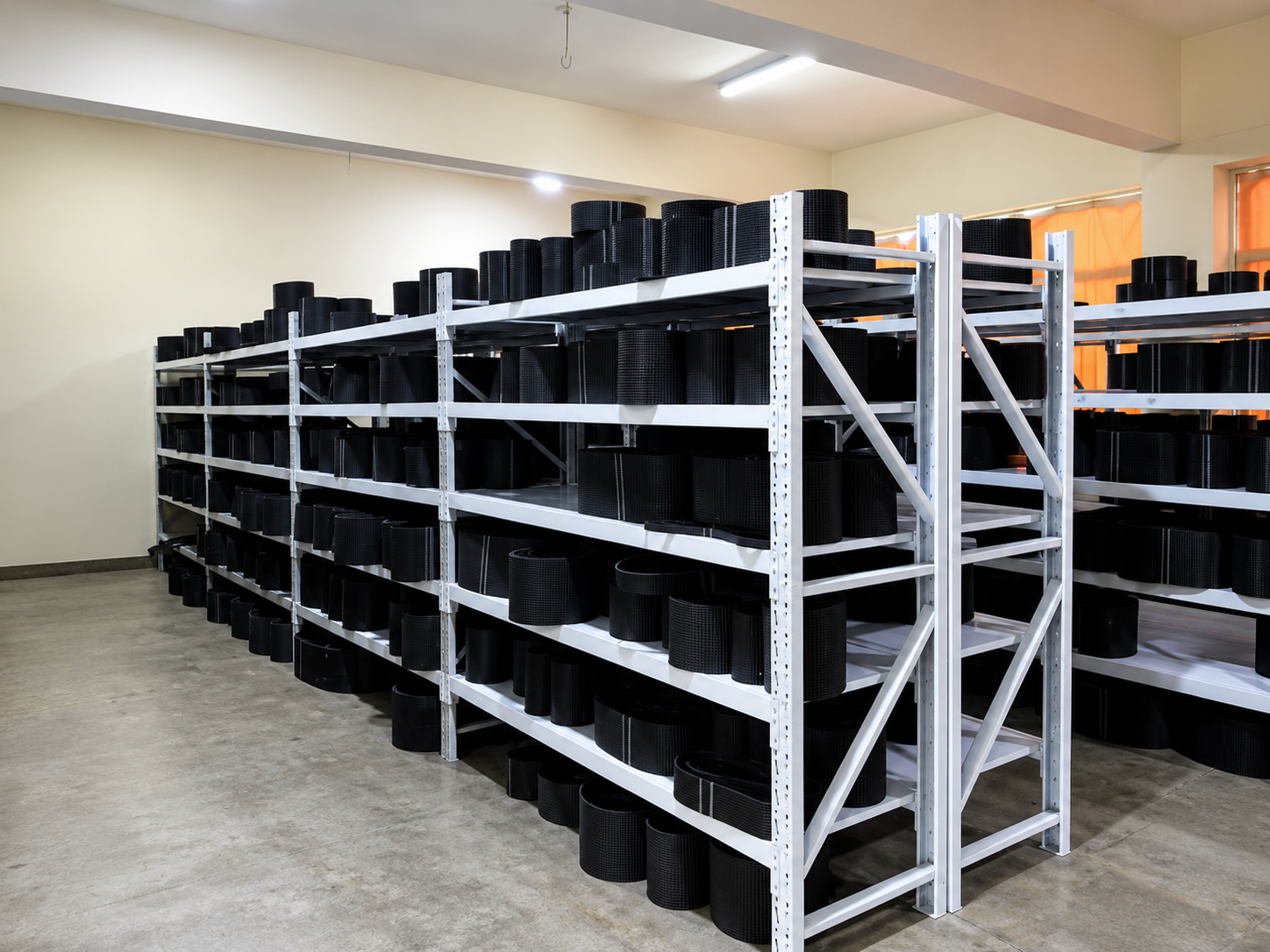 |
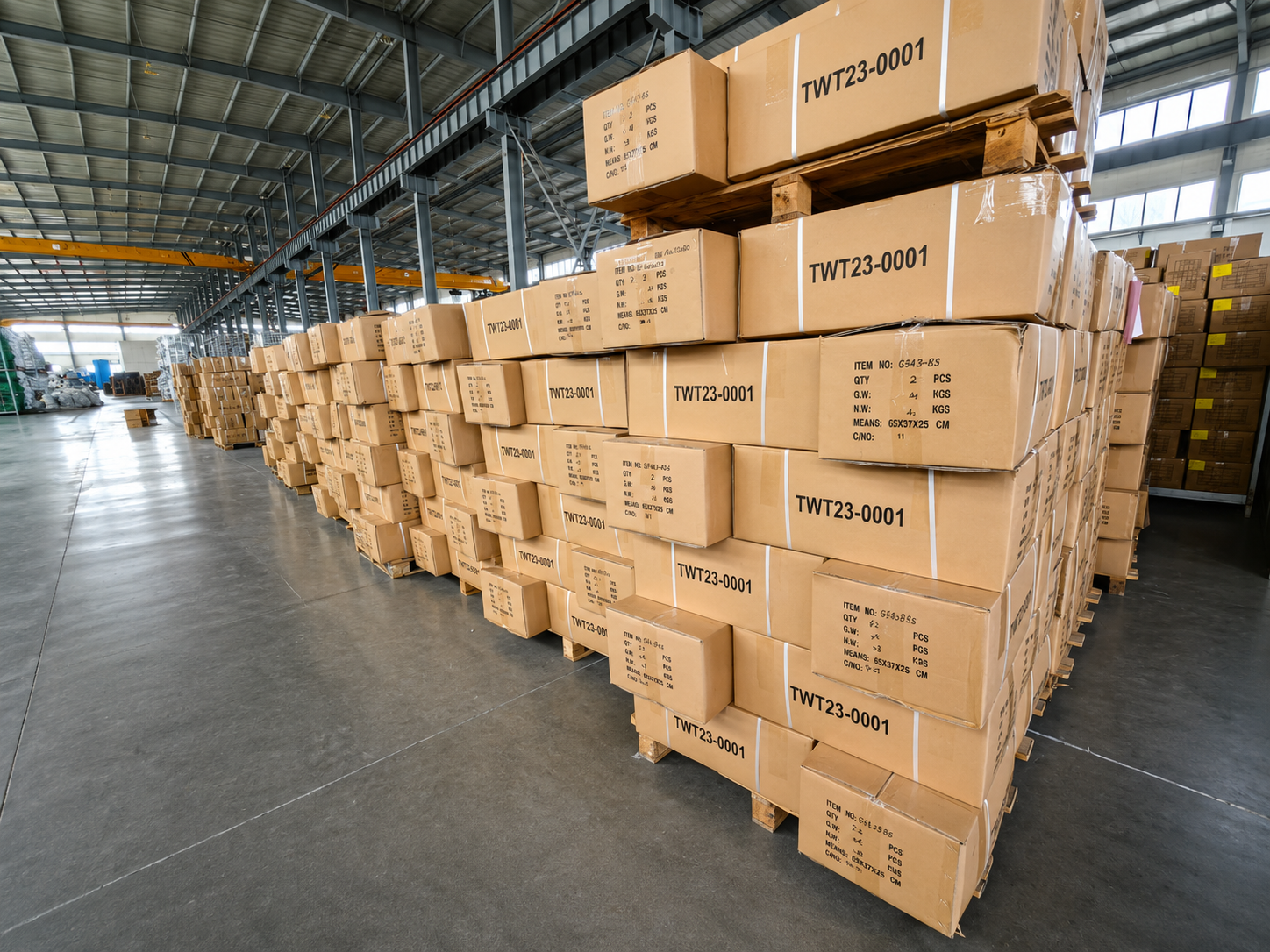 | 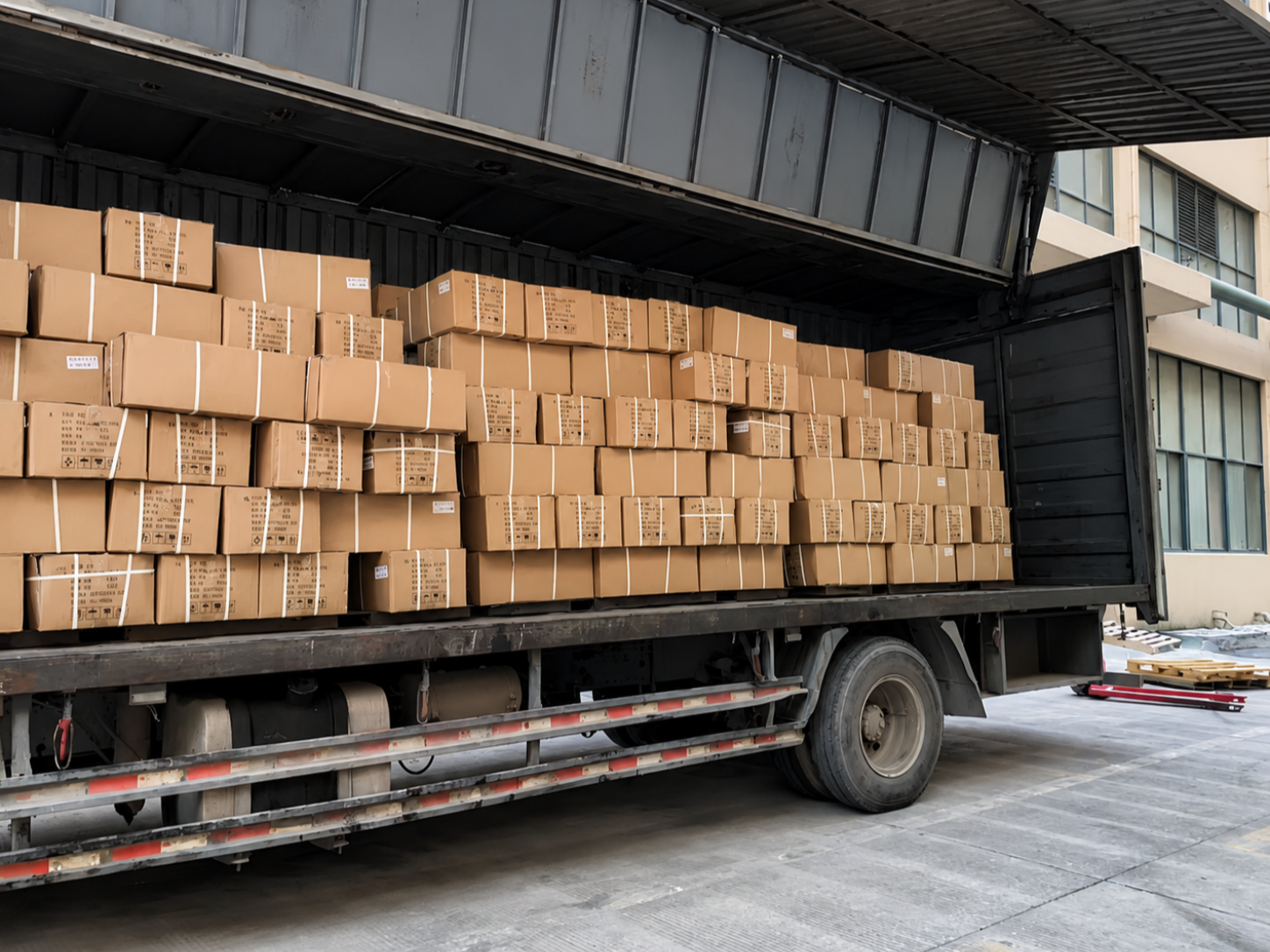 |