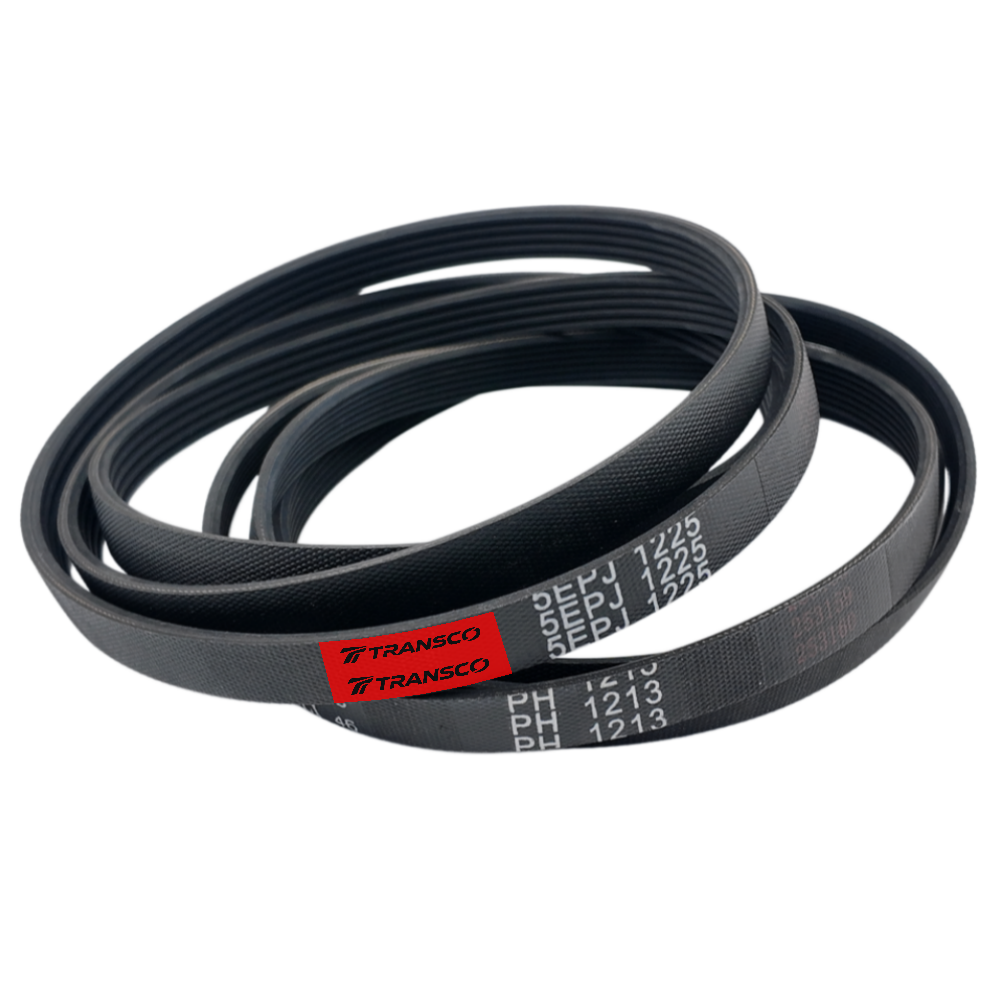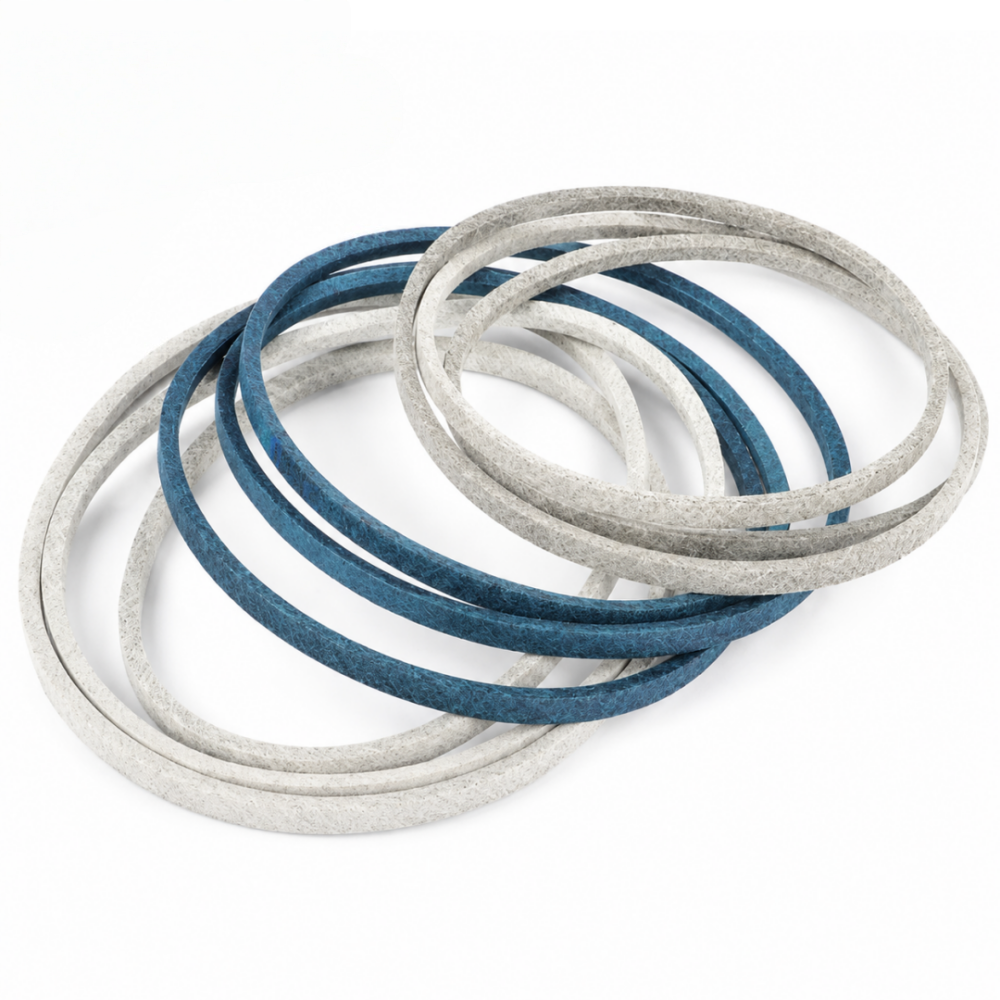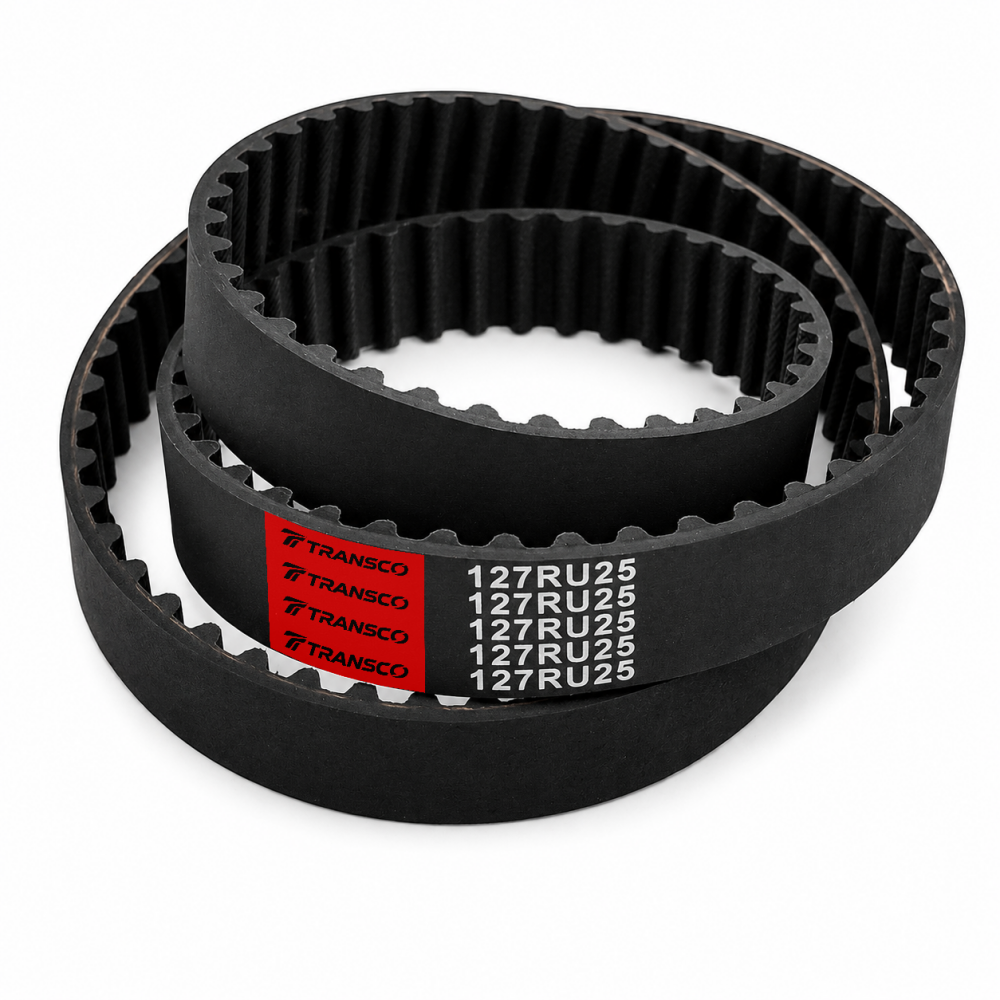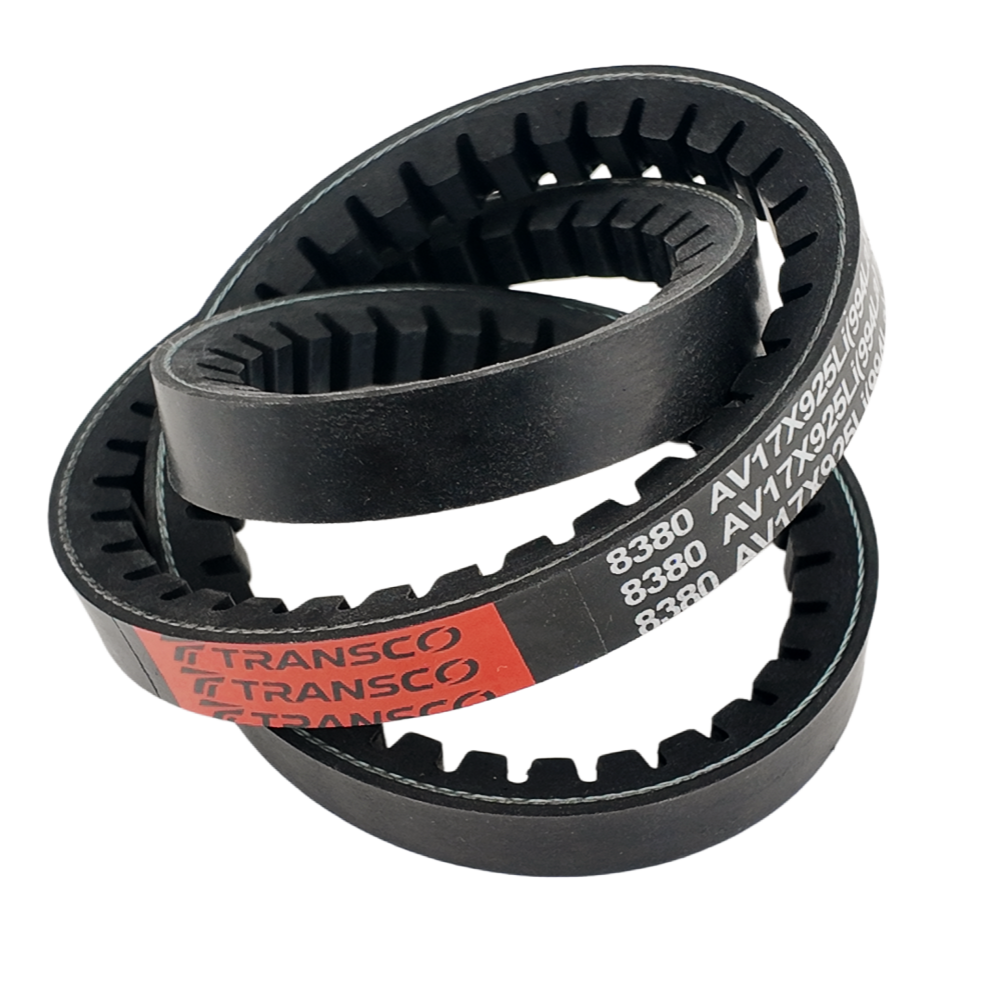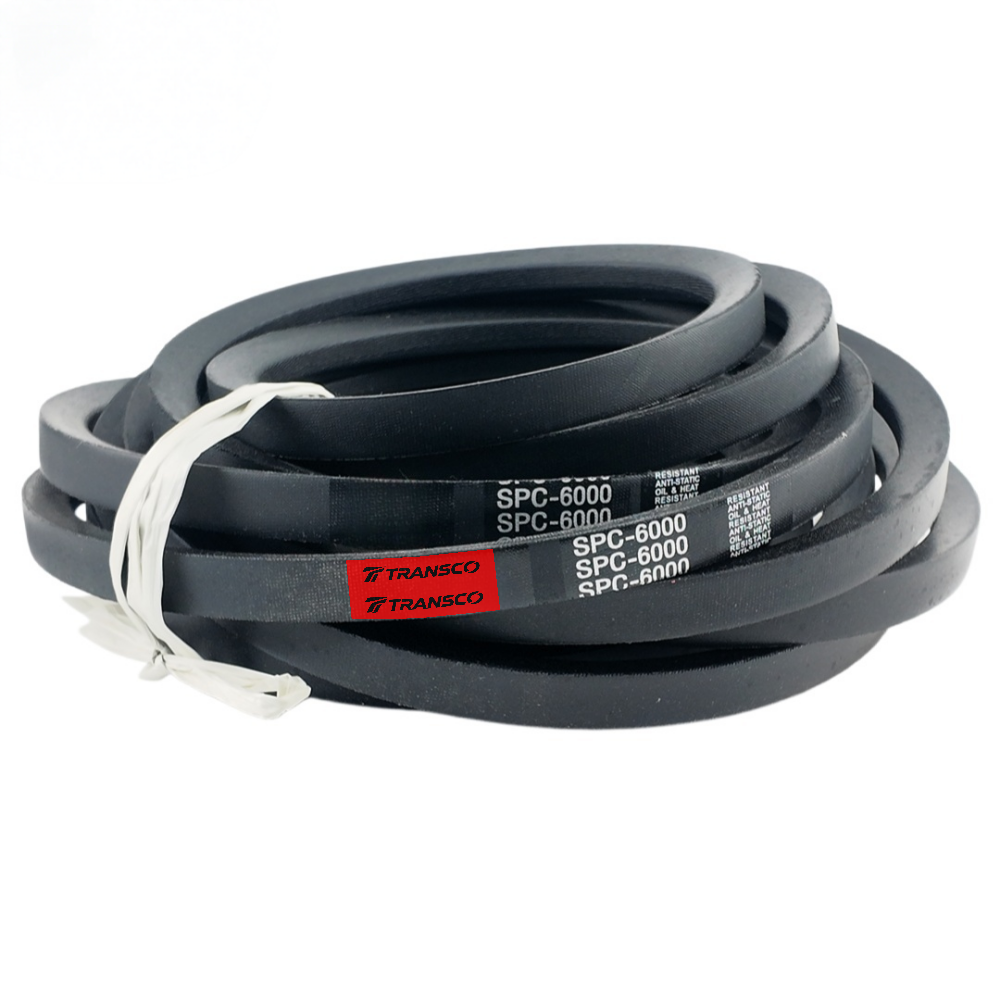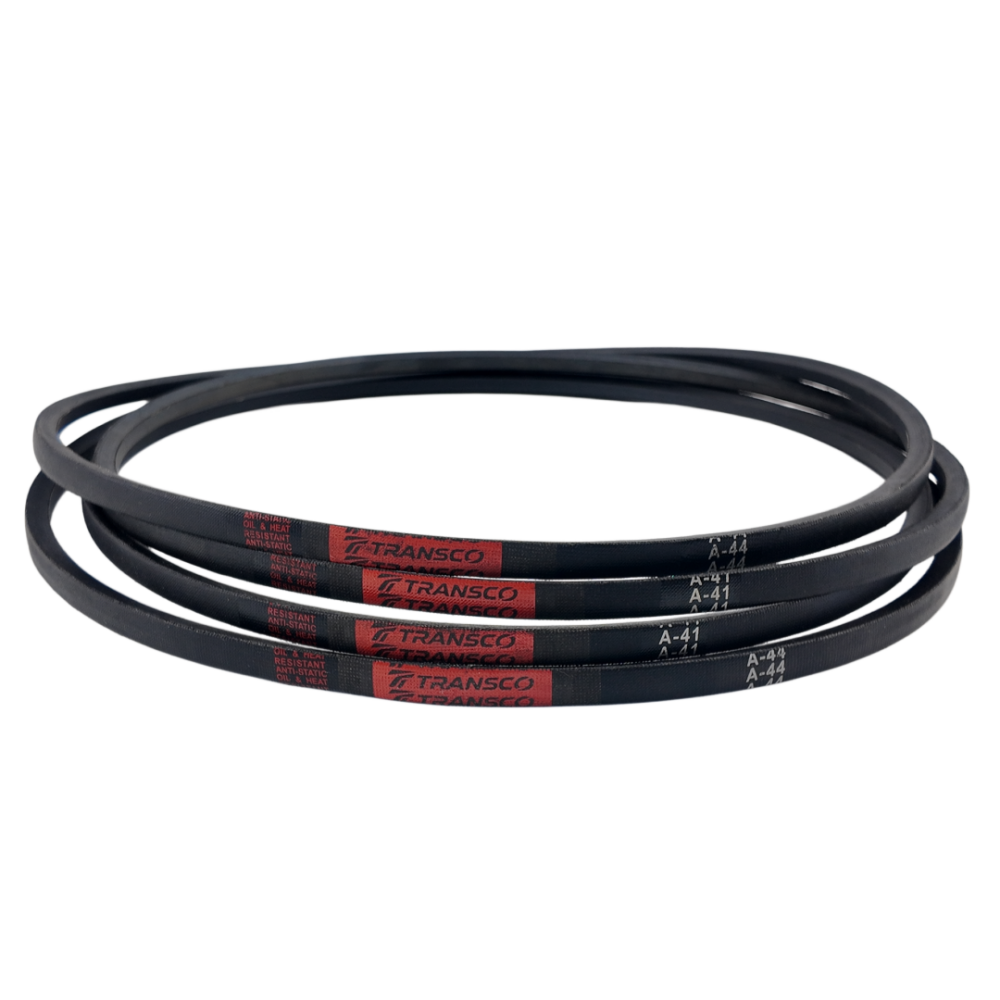
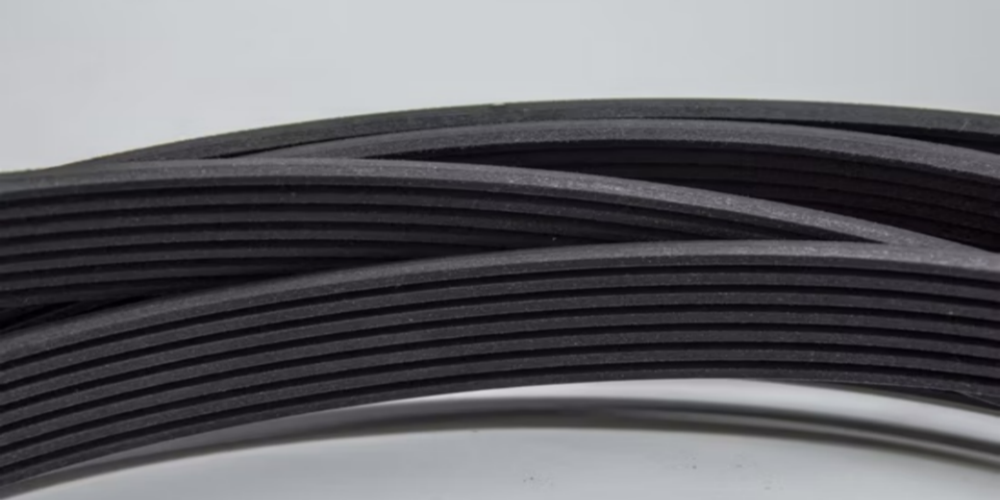
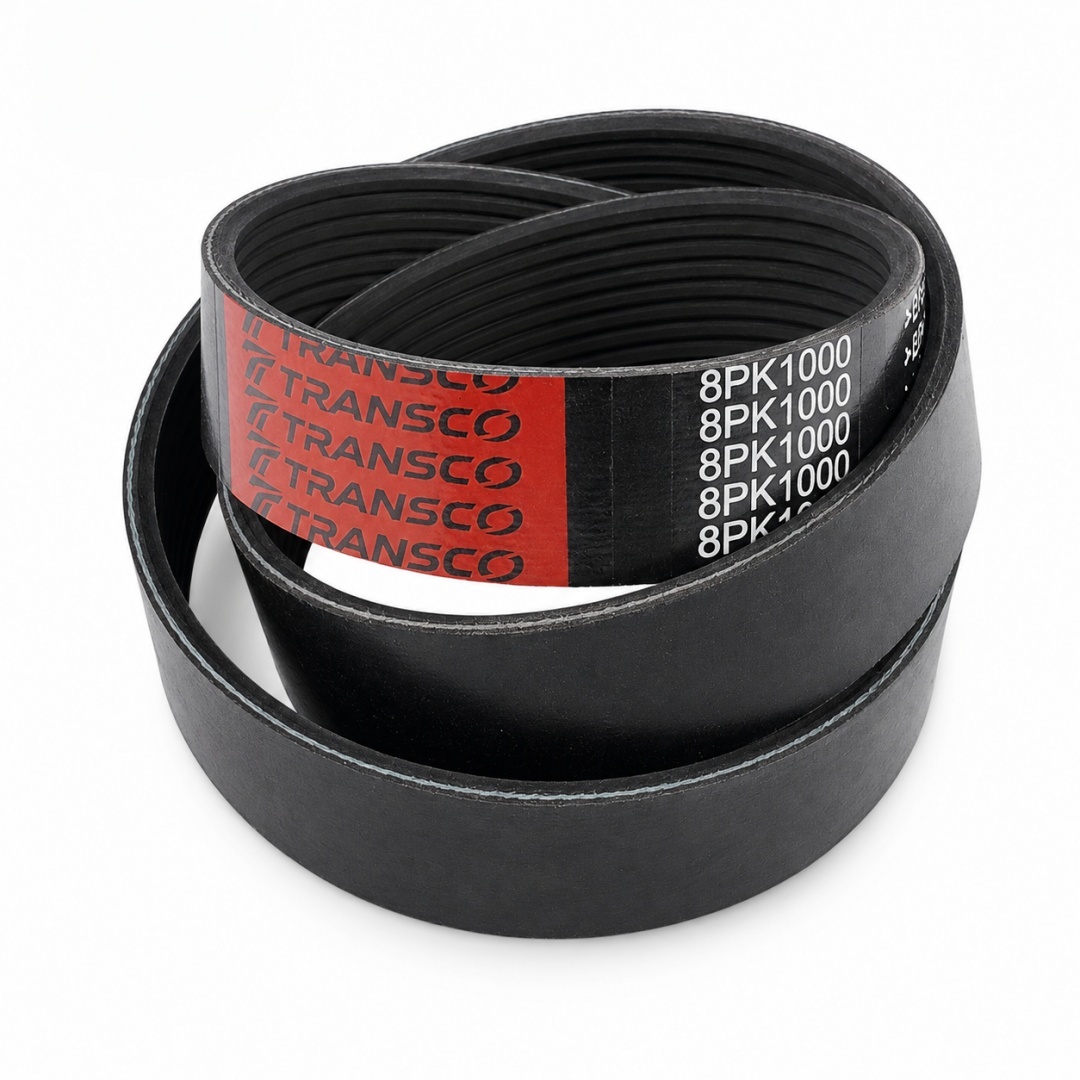
Ribbed Belt / Poly V Belt
Made with durable rubber compounds and high-strength tension cords, our ribbed belts offer stable performance, low noise, and excellent flexibility. They are widely used in automotive engines, home appliances, HVAC systems, industrial machinery, agricultural equipment, conveyor systems, compressors, fans, and other mechanical drive applications.
Key Features
• High Transmission Efficiency: Multi-rib design increases pulley contact for stable and efficient power transfer.
• Low Noise Operation: Flexible belt structure helps reduce vibration, slippage, and running noise.
• Durable EPDM Rubber: Excellent resistance to heat, wear, ozone, and aging for longer service life.
• Wide Application Range: Suitable for automotive, industrial, agricultural, HVAC, home appliance, and conveyor drive systems.
What is a Ribbed Belt?
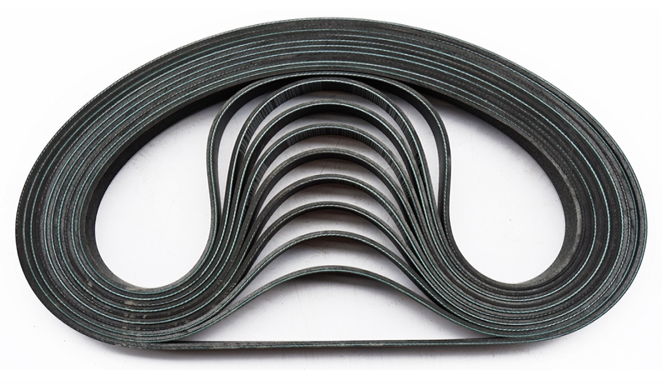
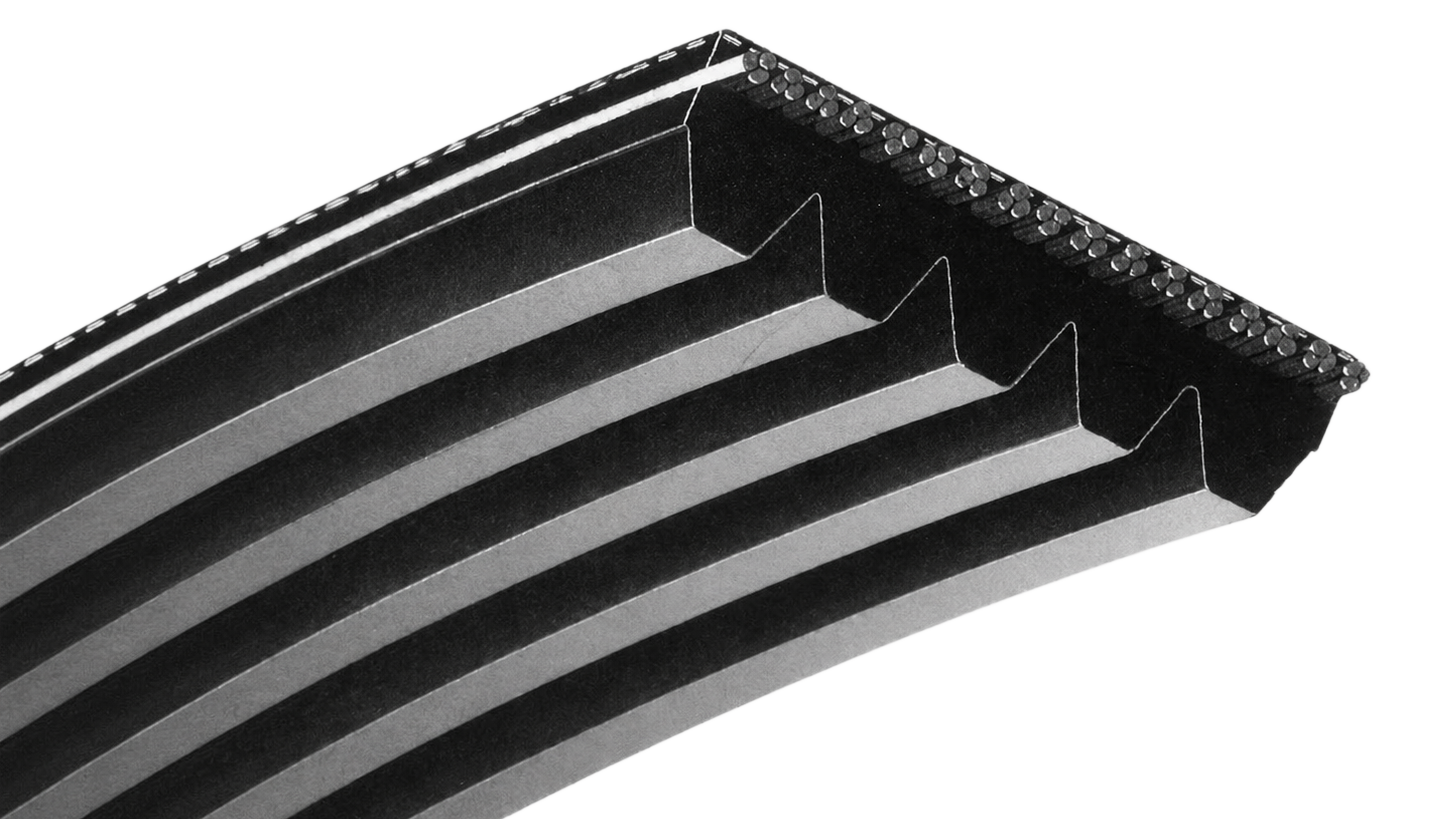
Ribbed Belt Definition: A ribbed belt, also known as a poly V belt, multi-ribbed belt, V-ribbed belt or micro V belt, is a rubber power transmission belt with multiple longitudinal ribs on the driving surface. These ribs fit into matching pulley grooves, increasing the contact area between the belt and pulley to support smooth, efficient and stable power transmission.
How a Poly V Belt Works: A poly V belt transmits torque through the contact between the belt rib flanks and the pulley grooves. Compared with a traditional V-belt, the ribbed structure provides better flexibility, improved grip and more stable running performance, making it suitable for compact drive systems with limited installation space.
Ribbed Belt vs Traditional V-Belt: Compared with classical V-belts, ribbed belts can run on smaller pulley diameters, support higher belt speeds and reduce vibration during operation. Their thinner belt body and multi-ribbed profile make them suitable for serpentine belt drive systems, automotive accessory drives, washing machine motor drives and other compact transmission layouts.
Why choose TRANSCO Ribbed Belt?
TRANSCO ribbed belts provide smooth, quiet and efficient power transmission for automotive, washing machine, dryer and industrial drive systems. Available in PH, PJ, PK, PL and PM profiles, they support stable pulley contact, reduced slippage and reliable long-term operation. Custom length, rib number, EPDM or CR material, logo printing and OEM packaging are available for bulk replacement and equipment manufacturing needs.
High-Efficiency Power Transmission: The multi-ribbed belt profile increases the contact area between the belt and pulley, helping reduce slip and deliver stable torque transfer. This makes ribbed belts suitable for high-speed power transmission, compact drive systems and equipment that requires consistent running speed.
Flexible for Small Pulley Drives: The thin and flexible belt body allows the ribbed belt to run smoothly on smaller pulley diameters. This feature is important for automotive engine systems, washing machines, dryers, compressors, fans, pumps, treadmills and other machines where the drive layout is compact.
Low Noise and Smooth Running: Precision-formed ribs help improve pulley contact and reduce vibration, belt noise and abnormal wear. A well-matched V-ribbed belt can support smooth operation in high-speed or noise-sensitive applications such as home appliances, HVAC equipment, fitness machines and automotive accessory drives.
Stable Grip and Reduced Slippage: The longitudinal ribs engage with pulley grooves to improve traction and reduce slippage under load. This helps the belt maintain stable speed transmission in motor drive systems, fan drives, compressor drives, pump drives and industrial machinery.
Durable Rubber Performance: EPDM, CR and customized rubber compounds are available for different working conditions. EPDM ribbed belts are suitable for heat resistance, aging resistance and long service life, while CR rubber ribbed belts provide stable flexibility and wear resistance for general industrial transmission.
Suitable for Serpentine Drive Systems: Ribbed belts can run through multiple pulleys and support reverse bending in serpentine drive layouts. One belt can drive several accessories, helping reduce system space, simplify transmission design and improve drive efficiency.
How to choose Ribbed Belt?
Confirm the Belt Profile: The first step is to identify the ribbed belt profile. Common profiles include PH, PJ, PK, PL and PM. PK belts are commonly used in automotive serpentine belt and engine accessory drive systems. PH and PJ belts are widely used in washing machines, dryers, small motors and appliance spare parts. PL and PM profiles are often selected for heavier industrial drive systems.
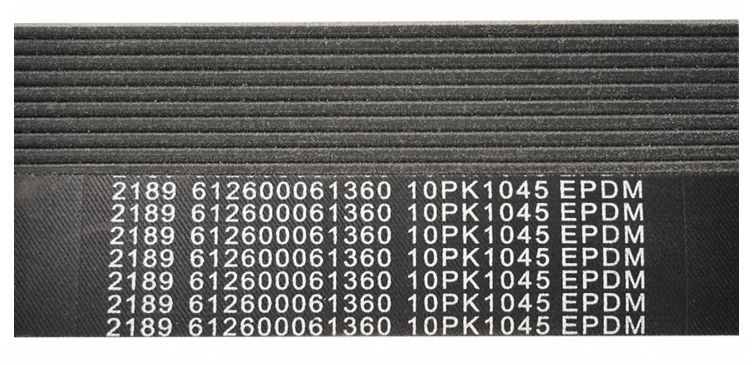
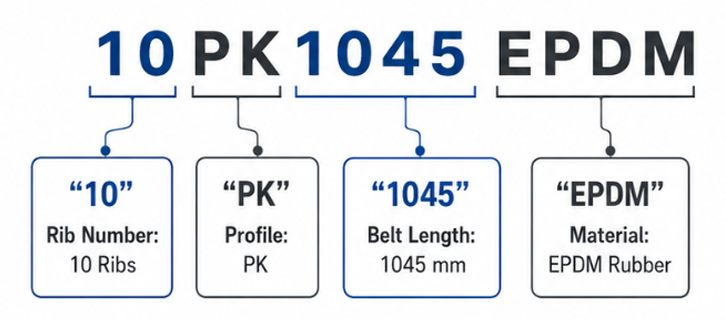
Check the Belt Code: For replacement use, the safest method is to check the printed code on the old belt. For example, in 6PK1200, the number 6 usually means six ribs, PK indicates the belt profile, and 1200 refers to the belt length in millimeters. Similar codes such as 5PJ1270, 7PH1955 and 10PK1045 help identify rib number, profile and length.
Count the Rib Number: The rib number affects belt width and load capacity. A belt with too few ribs may slip under load, while a belt with too many ribs may not fit the pulley width. For accurate replacement, confirm the original rib number or provide the pulley width, old belt sample or equipment model.
Confirm the Effective Length: Correct belt length is important for proper tension. If the ribbed belt is too short, installation may be difficult and bearing load may increase. If the belt is too long, it may cause poor tension, noise, slippage or early wear. When the original belt marking is unclear, the length can be confirmed by measuring the old belt or checking the equipment specification.
Select the Right Material: EPDM ribbed belts are recommended for high-temperature, aging-resistant and long-life applications, especially automotive, outdoor equipment and demanding working conditions. CR rubber ribbed belts can be used for general industrial machinery, appliance drive systems and standard power transmission applications.
Match the Application: Different machines require different ribbed belt designs. Automotive buyers often search for PK belt, serpentine belt, micro V belt, fan belt, alternator belt and AC compressor belt. Appliance buyers often search for washing machine belt, washer drive belt, dryer belt, tumble dryer belt and PJ PH poly V belt. Industrial buyers often search for industrial poly V belt, compressor belt, fan drive belt, pump drive belt and power transmission belt.
Provide Key Information for Custom Orders: For custom ribbed belt orders, please provide the belt profile, rib number, length, width, material requirement, pulley diameter, center distance, working load, belt speed, operating temperature and application equipment. A sample photo, old belt code or technical drawing can help confirm the correct belt more quickly.
| Quick Selection Checklist | ||
 |  |  |
| Belt profile | PH, PJ, PK, PL or PM | |
| Rib number | 3 ribs, 4 ribs, 6 ribs, 8 ribs, 10 ribs or customized | |
| Belt length | Effective length or pitch length | |
| Material | EPDM, CR or customized rubber compound | |
| Application | Automotive, appliance, compressor, pump, fan or industrial drive | |
| Custom requirements | Logo printing, private label packaging, special length or OEM size | |
Construction
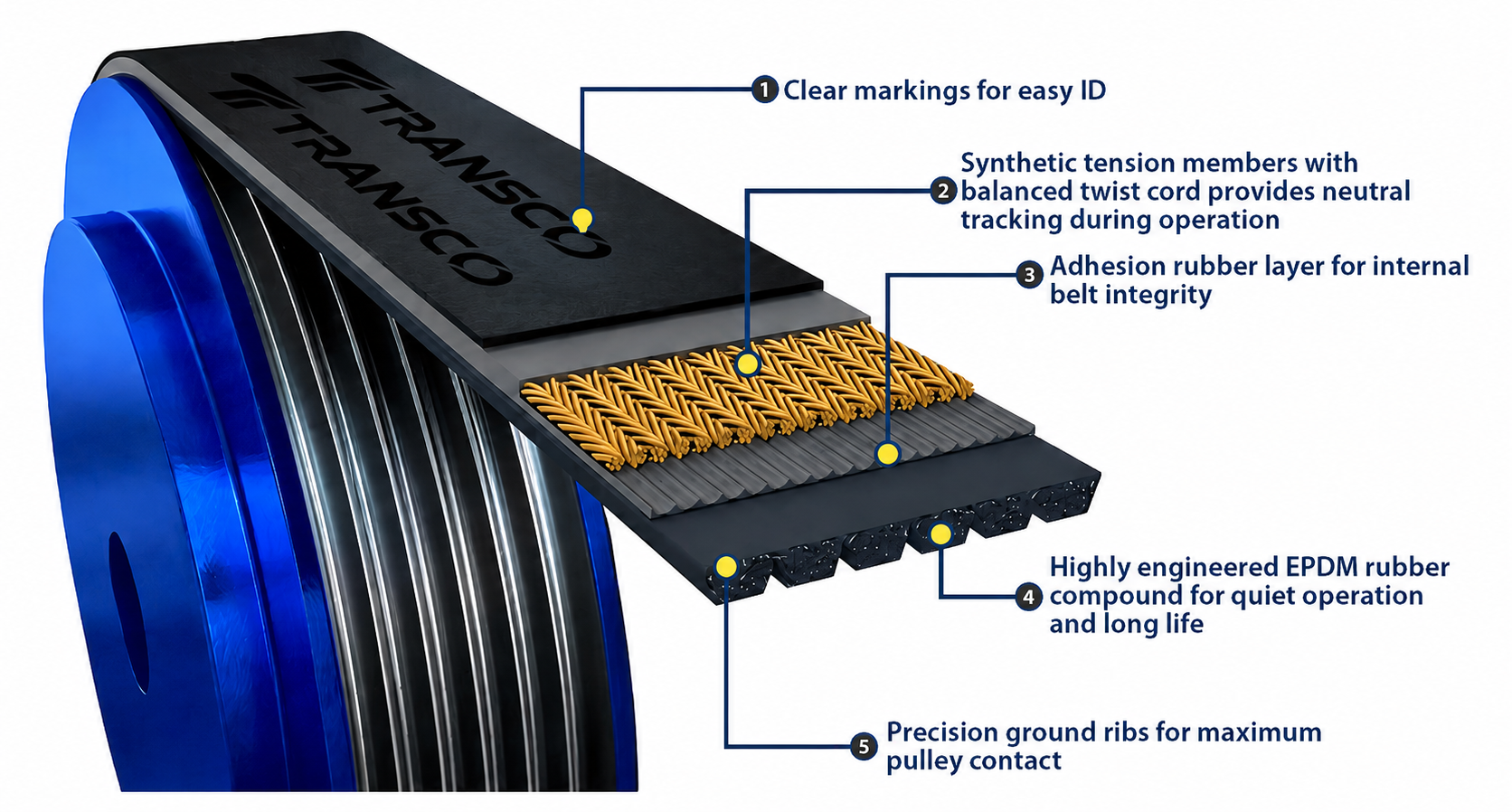 |
| A high-quality poly V belt is typically composed of a marking layer, synthetic tension members, adhesion rubber, EPDM rubber compound, and precision-ground ribs. Each layer works together to provide stable power transmission, long service life, low noise, and reliable performance under demanding operating conditions. 1. Clear Marking Layer: The surface of the poly V belt is usually printed with the belt type, size, length, brand, or production information. These clear markings help users and technicians quickly identify the correct belt during installation, replacement, and maintenance. 2. Synthetic Tension Members: The tension members are the key load-bearing part of the poly V belt. High-strength synthetic cords help maintain belt stability, reduce elongation, and support smooth power transmission. A balanced twist cord design also helps the belt track properly on pulleys, reducing misalignment and uneven wear. 3. Adhesion Rubber Layer: The adhesion rubber layer bonds the tension members with the surrounding rubber compound. It improves internal belt integrity and helps prevent separation, cracking, or early structural failure during long-term operation. 4. EPDM Rubber Compound: EPDM rubber is commonly used in modern poly V belts because of its excellent resistance to heat, ozone, weathering, and wear. This durable rubber compound allows the belt to run quietly and reliably, even in high-speed or high-temperature working environments. 5. Precision-Ground Ribs: The ribbed side of the belt is designed to fit tightly into pulley grooves. Precision-ground ribs increase the contact area between the belt and pulley, improving grip, reducing slippage, and delivering smoother, more efficient power transmission. |
Model Specifications
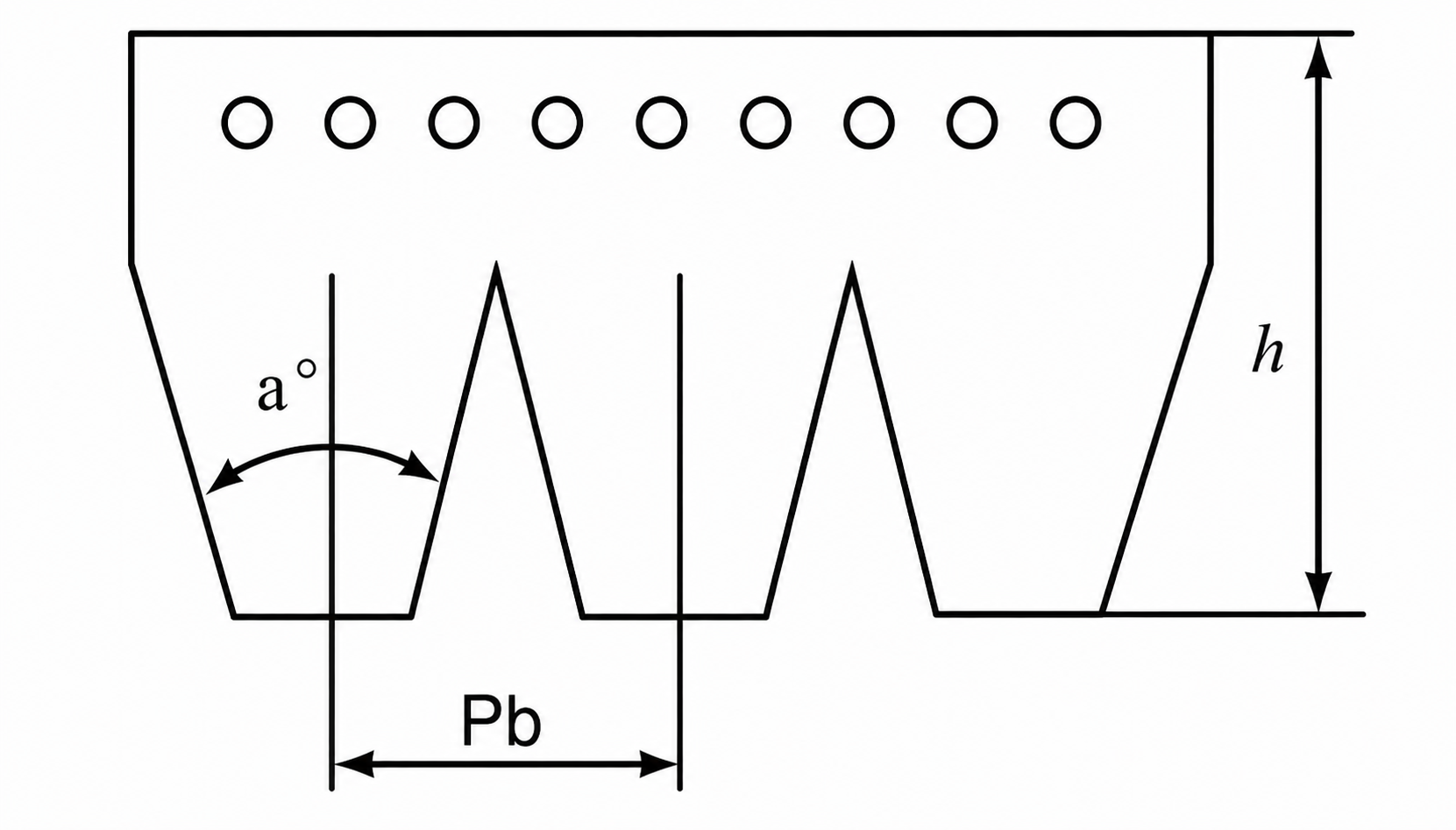 |  | ||||
| Type | Height | Pb | Angle | Length standard | Weight/m |
| mm | mm | Kgs | |||
| PH | 2.6 | 1.6 | 40° | Le | 0.008 |
| PJ | 3.8 | 2.34 | 40° | Le | 0.01 |
| PK | 4.8 | 3.56 | 40° | Le | 0.02 |
| PL | 7.5 | 4.7 | 40° | Le | 0.036 |
| PM | 14.5 | 9.4 | 40° | Le | 0.124 |
| DPJ | 5.6 | 2.34 | 40° | Le | 0.02 |
| DPK | 7 | 3.56 | 40° | Le | 0.03 |
| DPL | 10 | 4.7 | 40° | Le | 0.062 |
Applications
 |  |  |
| Automotive Engine Systems | Washing Machines and Dryers | Compressors Fans and Pumps |
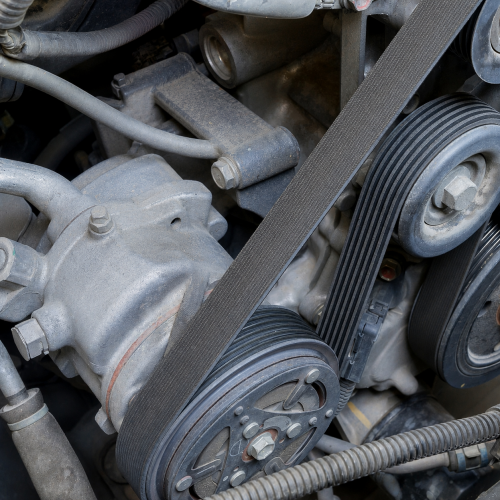
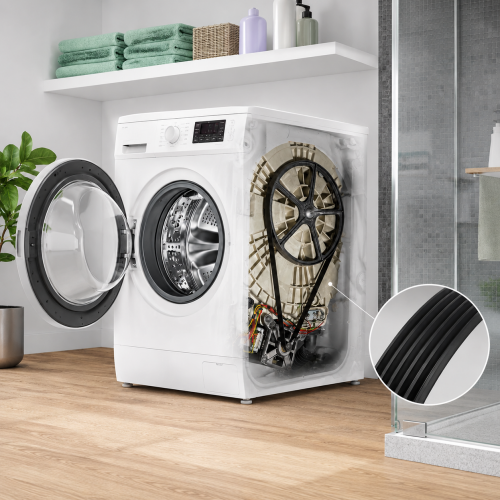
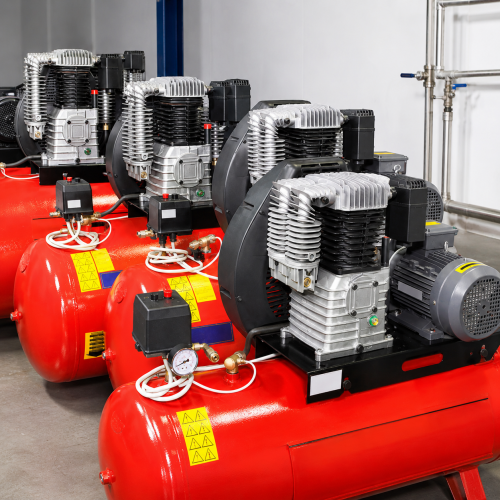
| PK ribbed belts, micro V belts and serpentine belts are widely used in automotive accessory drive systems. They can drive alternators, fans, water pumps, power steering pumps and AC compressors, helping deliver stable engine accessory transmission with low noise and reliable grip. | PH and PJ ribbed belts are commonly used as washing machine belts, washer drive belts, dryer belts and tumble dryer belts. Their flexible structure and stable rib design help transfer power from the motor to the drum, making them suitable for front load washing machines, washer dryers and laundry appliance spare parts. | Poly V belts are suitable for compressor drives, fan drives, blower systems and pump drive systems. Their high contact area and smooth running performance help reduce vibration and improve transmission stability in compact motor drive layouts. |
 |  |  |
| Roller Conveyors and Logistics Equipment | Industrial Machinery | HVAC and Blower Systems |
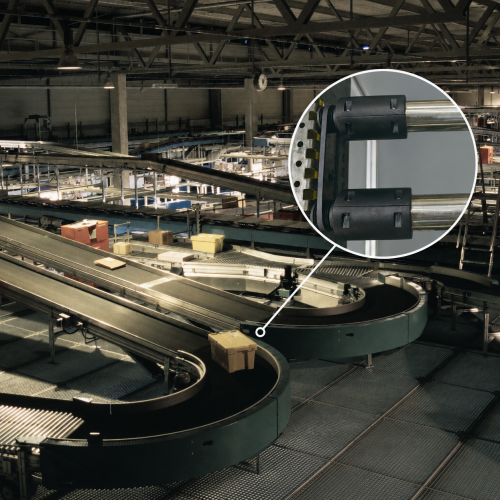
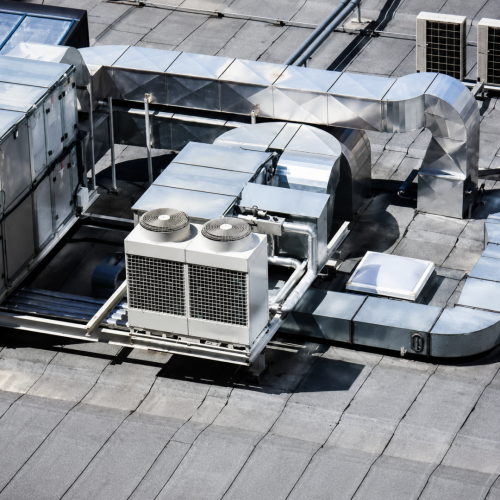
| Poly V belts are also used in roller conveyors, logistics equipment and material handling systems. Elastic or customized ribbed belts can help drive multiple rollers and support smooth conveying performance. | Industrial poly V belts are used in packaging machines, printing machines, textile machinery, woodworking machines, machine tools and general power transmission equipment. They are suitable for high-speed drive systems, compact installation spaces and continuous operation environments. | Ribbed belts can be used in HVAC equipment, air handling units, blowers and ventilation systems. Their low vibration and stable power transmission help support quiet and efficient operation in building equipment and industrial air systems. |
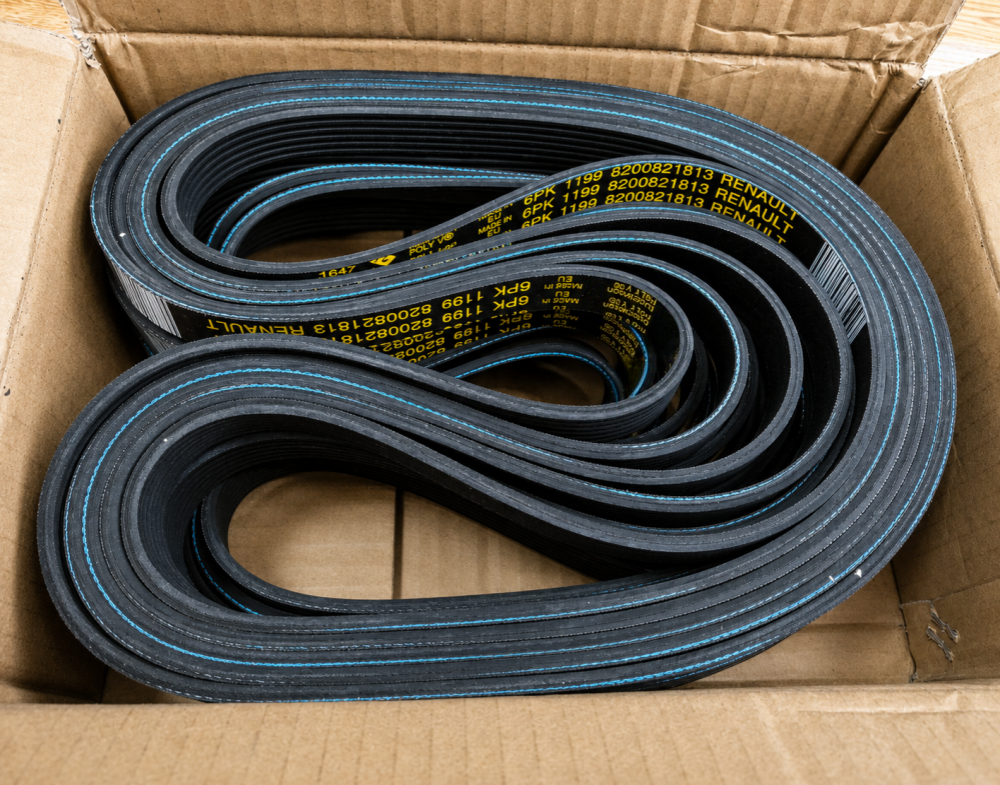
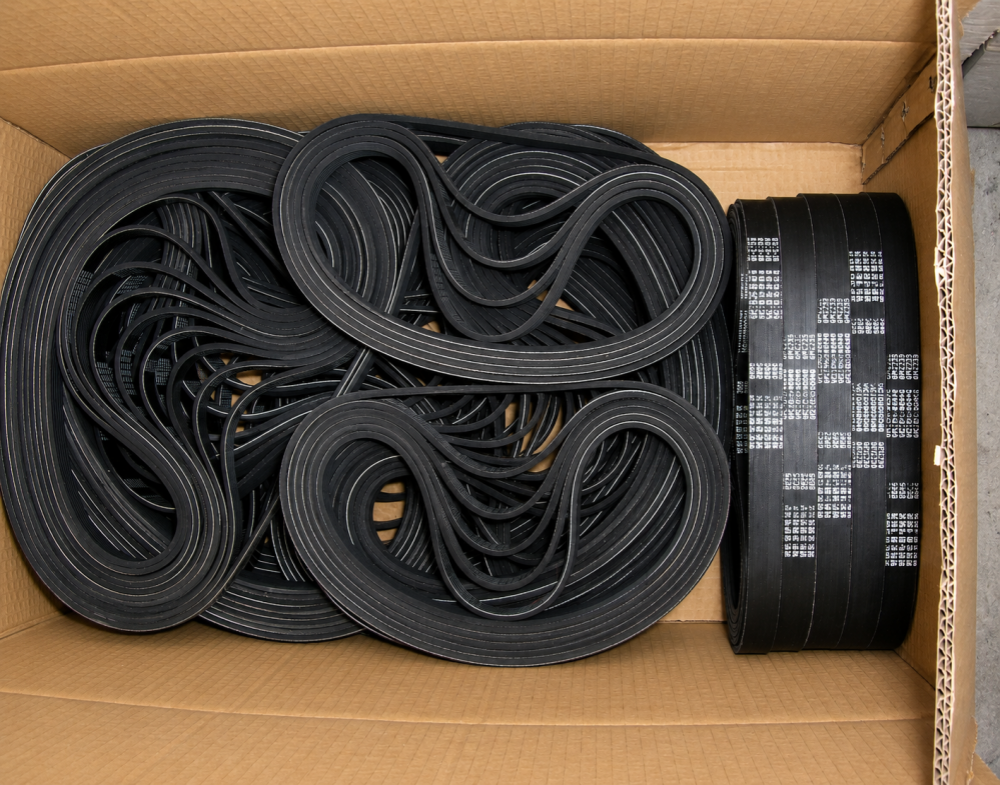
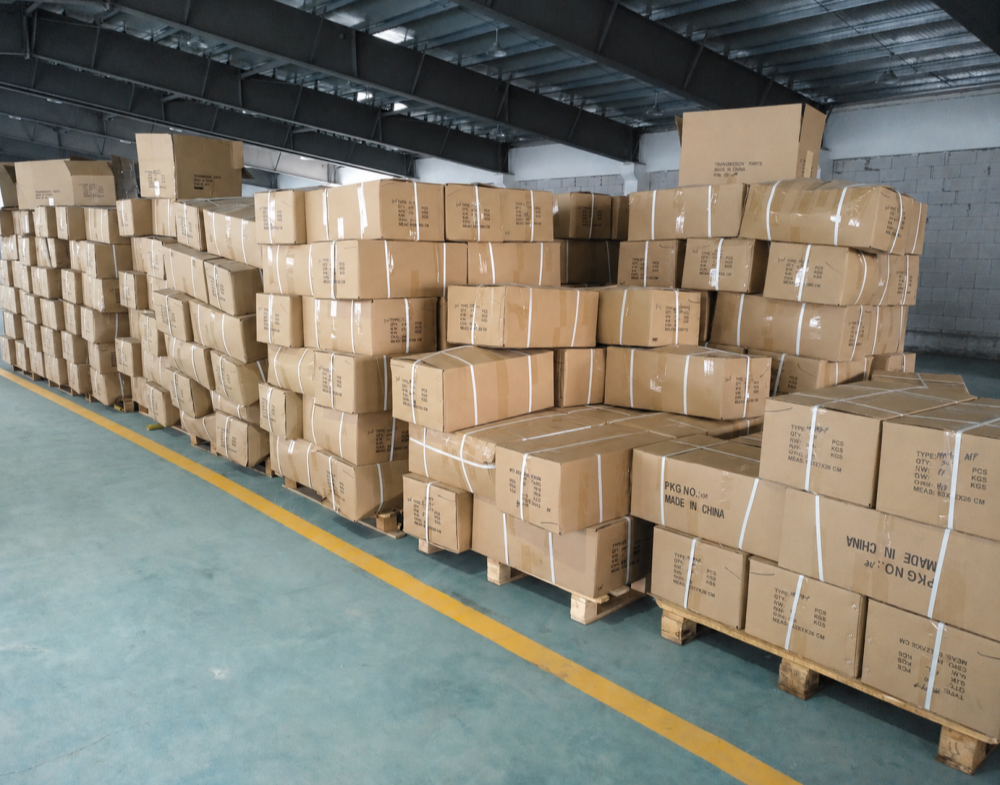
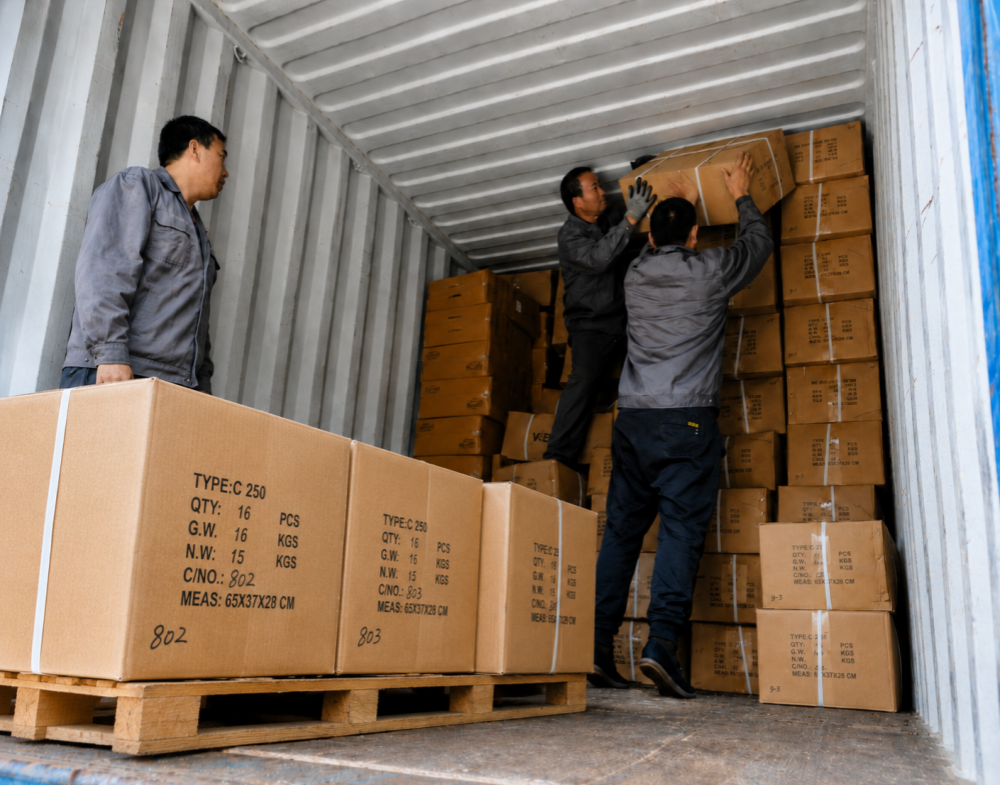
Packing and Shipping
 |  |
 |  |