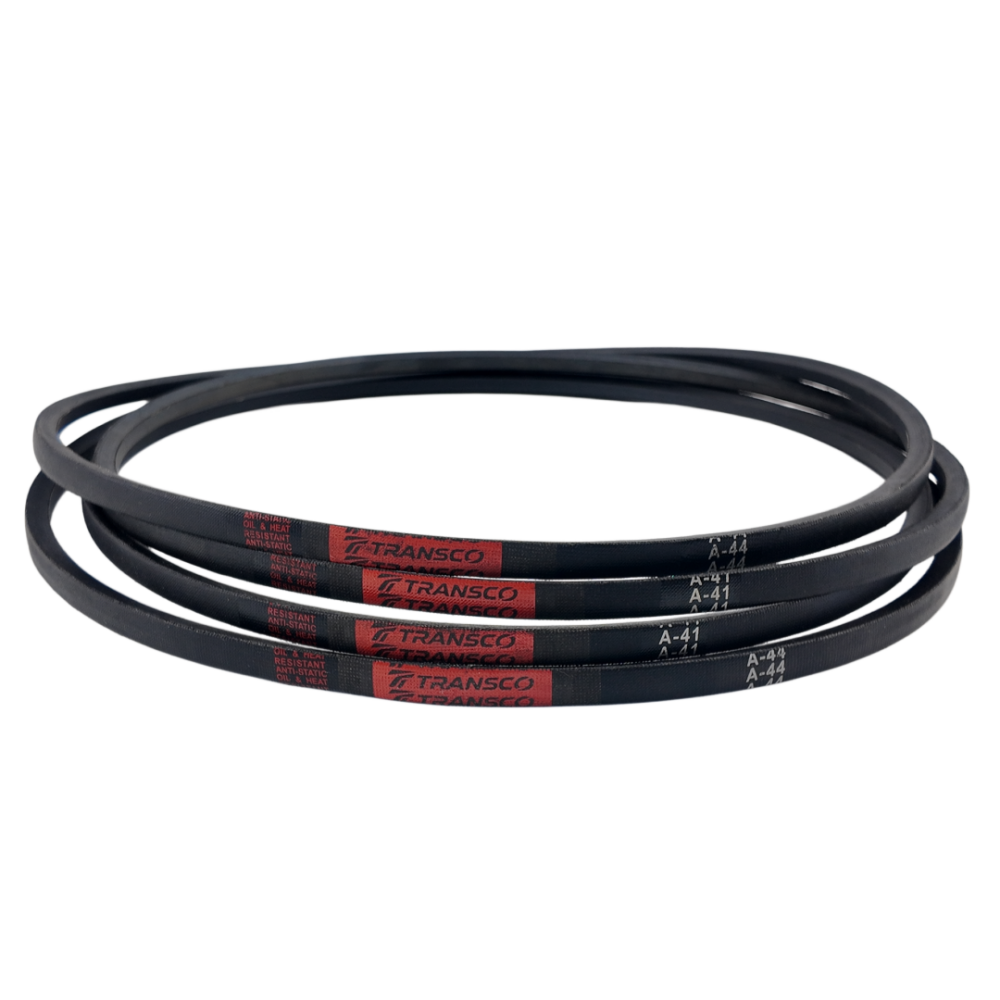
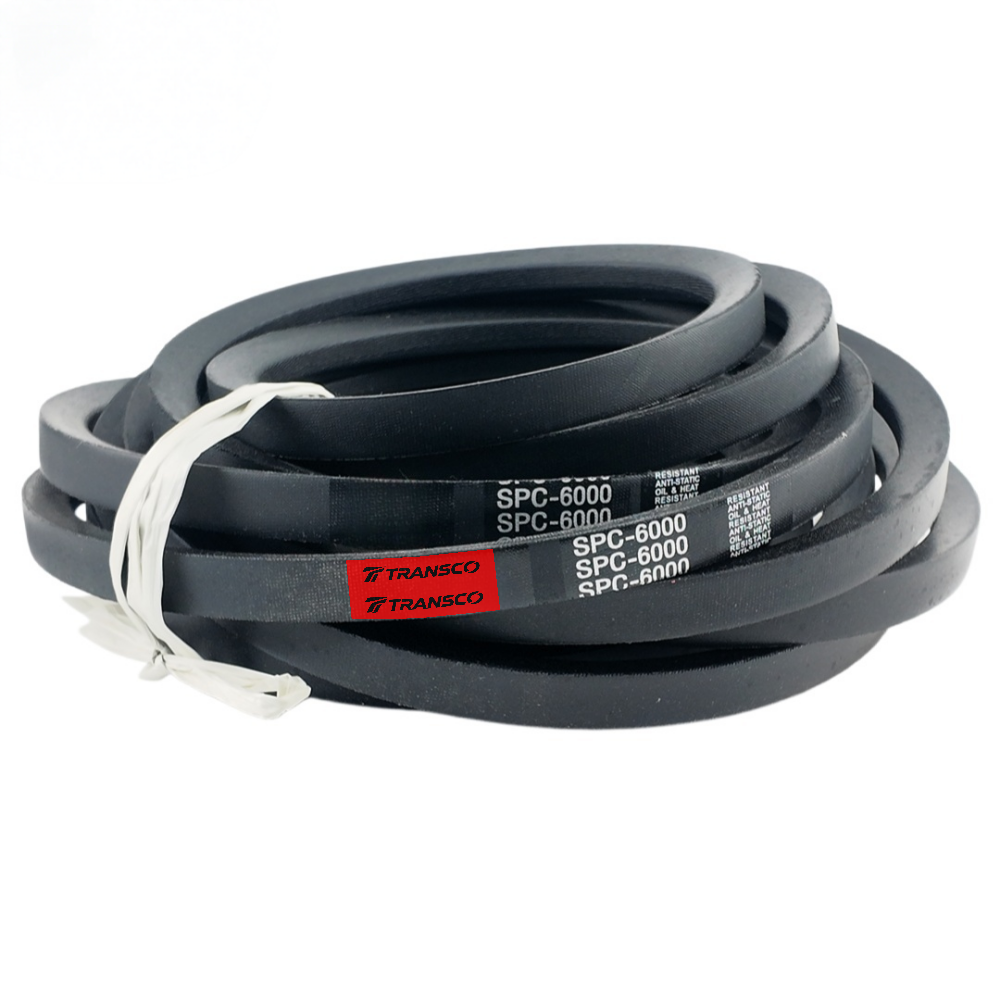
Narrow V-Belt
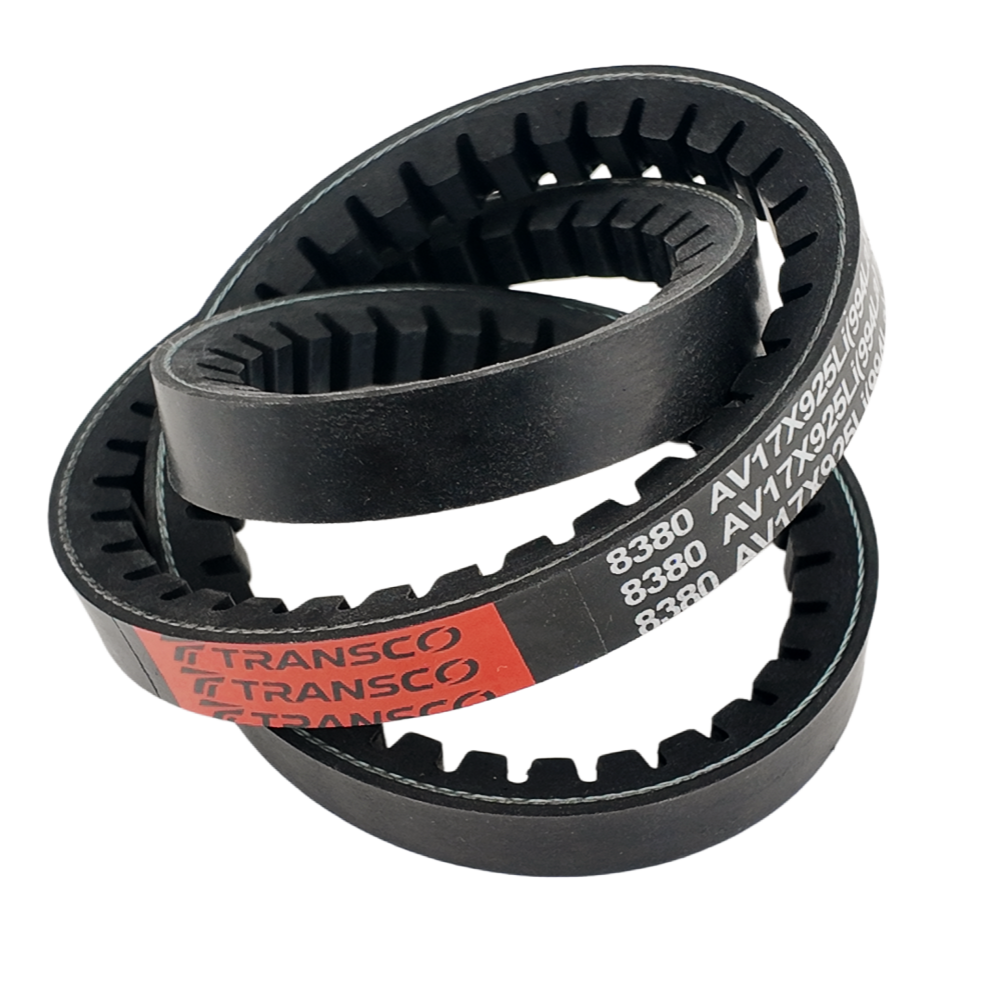
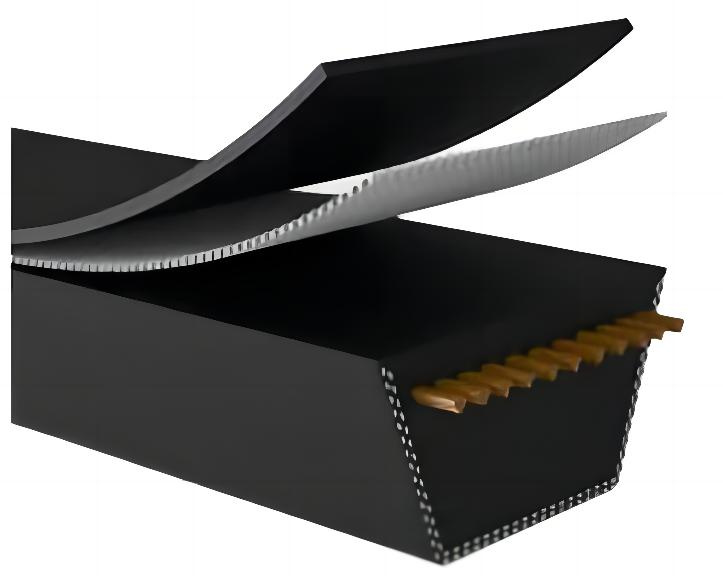
TRANSCO Narrow V-Belts are available in 3V, 5V, 8V, SPZ, SPA, SPB and SPC sections, suitable for industrial drives that require higher efficiency and stronger transmission capacity. With reinforced tension cords, durable rubber compound and a wrapped outer cover, they help reduce slip, deformation and maintenance frequency in demanding equipment.
Key Features
• Higher power transmission capacity than classical V-belts
• Compact narrow profile for efficient drive design
• Strong transverse stiffness for stable running and reduced deformation
• Suitable for compressors, pumps, fans, blowers, construction machinery and industrial drives
What is a Narrow V-Belt?
A Narrow V-Belt, also known as a wedge V-belt or narrow section V-belt, is a high-capacity industrial power transmission belt designed with a narrower and deeper cross-section than a classical V-belt. Its wedge-shaped sidewalls fit tightly into matching pulley grooves, allowing the belt to transmit power through friction, sidewall contact and wedging action.
Unlike classical V-belts such as A, B or C sections, narrow V-belts are engineered for higher power density, compact drive layouts and heavy-duty operating conditions. Common metric narrow V-belt profiles include SPZ, SPA, SPB and SPC, while common American narrow sections include 3V, 5V and 8V.
Narrow V-belts are widely used in industrial machinery, agricultural equipment, compressors, pumps, fans, crushers, construction machinery and other power transmission systems where space, load capacity and drive efficiency are important.
Why choose TRANSCO Narrow V-Belt?
Narrow V-belts are selected when a drive system requires higher power transmission in a smaller space. Compared with classical V-belts, their narrow wedge profile allows better pulley contact, higher load capacity and a more compact drive design.
Higher Power Density:
The narrow wedge section helps transmit more power in limited drive space, making it suitable for compact industrial equipment and heavy-duty machinery.
Compact Drive Design:
Because narrow V-belts can carry higher loads, fewer belts may be required compared with classical V-belts in some drive systems. This helps reduce pulley width, drive size and overall system weight.
Better Pulley Contact:
The wedge-shaped sidewalls provide strong contact with the pulley groove, helping reduce slippage and improve power transmission stability.
Good Resistance to Harsh Conditions:
Depending on the rubber compound and construction, narrow V-belts can offer resistance to heat, oil, dust, abrasion, ozone and weathering. Bando lists features such as temperature resistance, electrical conductivity, limited oil resistance and environmental resistance for its narrow SP V-belts.
Suitable for Shock Load Applications:
Narrow V-belts are commonly used in drives with fluctuating loads, short center distances and heavy-duty applications such as compressors, industrial fans, crushers and construction machinery. Protorque also describes narrow wedge belts as suitable where space limitation, weight or higher power capacity matters.
Lower Maintenance Potential:
When correctly selected, installed and tensioned, narrow V-belts can provide stable running, reduced slip and longer service life. Gates highlights features such as flex-bonded tensile cords, oil and heat resistant cover, uniform groove contact and resistance to shock loads.
How to choose Narrow V-Belt?
Choosing the correct narrow V-belt should be based on the belt profile, pulley groove, drive power, speed, center distance and working environment. Narrow V-belts should not be selected only by width or length, because the profile must match the pulley groove.
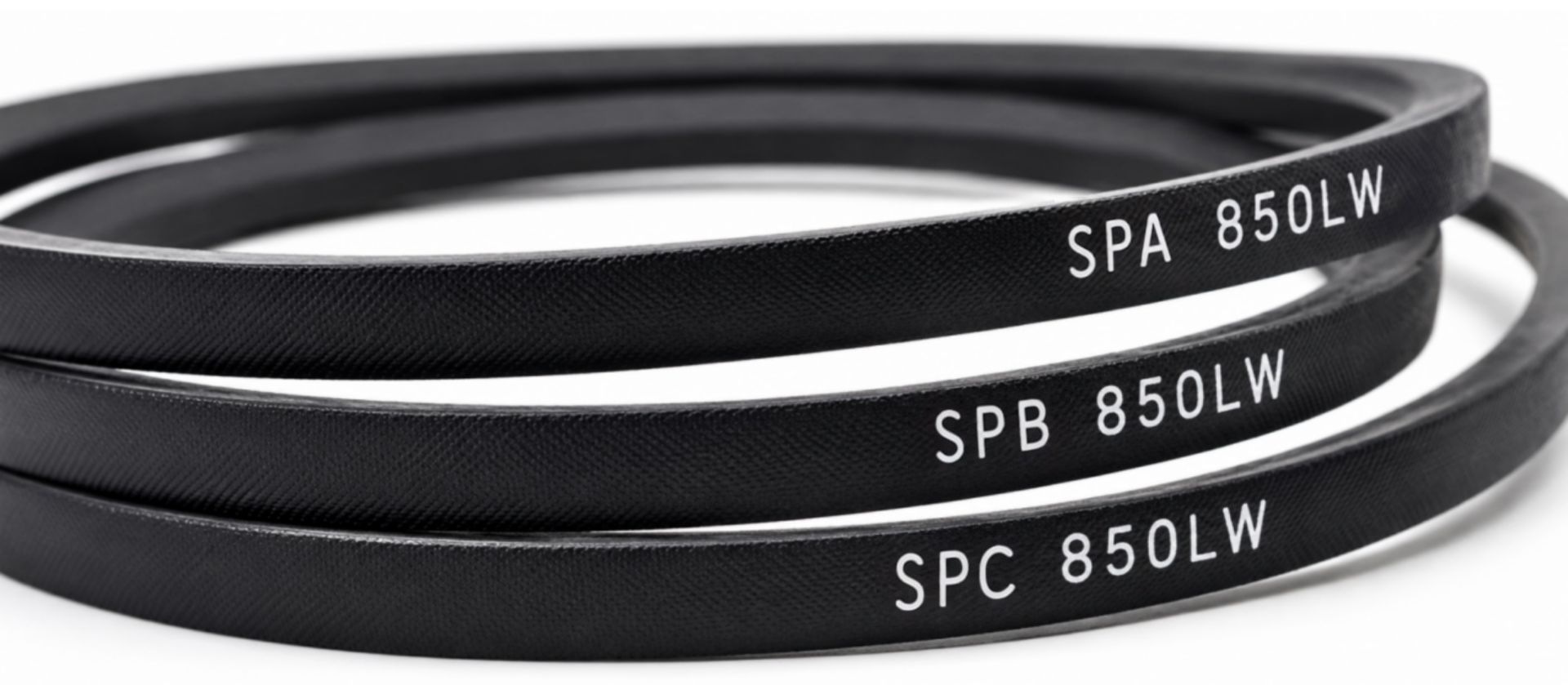
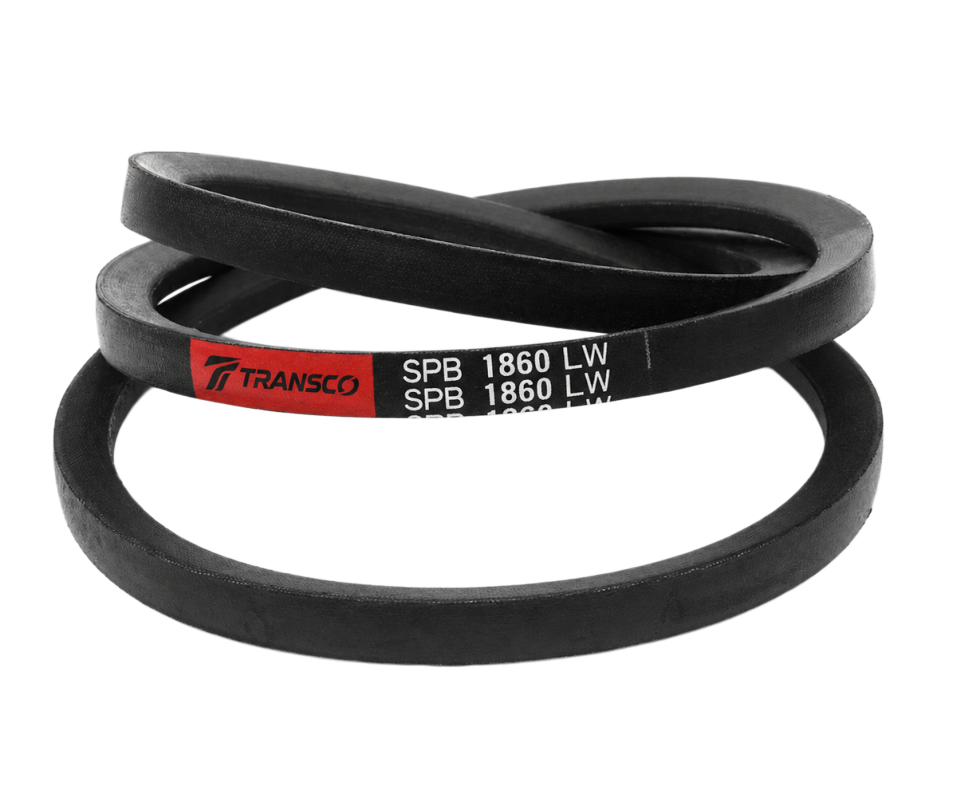
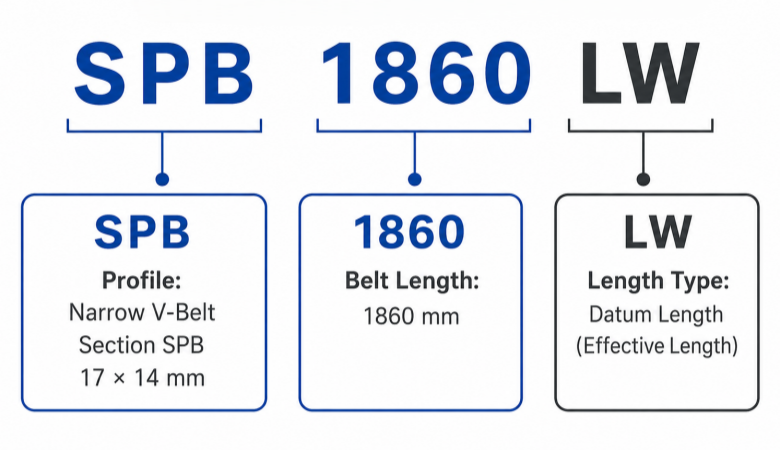
Identify whether the drive uses SPZ, SPA, SPB, SPC, 3V, 5V or 8V. These profiles are not the same as classical A, B or C belts. Always match the belt profile with the correct pulley groove. Metric narrow V-belts are usually marked by profile and length, such as SPB 2240 or SPA 1600. The length may refer to effective length, pitch length, inside length or outside length depending on the standard and supplier. For replacement, use the same length reference as the original belt.
Do not assume a narrow V-belt can run correctly in a classical V-belt pulley. Narrow V-belts require compatible pulley grooves to ensure proper sidewall contact and avoid bottoming, slipping or premature wear. Before selection, confirm motor power, driven speed, speed ratio, pulley diameter, center distance, number of belts, starting load and service factor. Heavy shock loads or frequent start-stop conditions may require a stronger belt or banded construction. For general industrial drives, wrapped narrow V-belts are common. For smaller pulleys, higher flexibility or improved heat dissipation, raw edge cogged types such as XPZ, XPA, XPB, XPC, 3VX and 5VX may be considered. For multiple-belt drives with vibration or shock load, banded narrow V-belts can improve belt stability.
Check temperature, oil exposure, dust, humidity, ozone, outdoor conditions and abrasion. For special working environments, choose heat-resistant, oil-resistant, antistatic or flame-resistant compounds where required. For multi-belt drives, avoid replacing only one belt if the other belts are already worn. norelem notes that when one belt in a multi-belt drive needs changing, the full belt set should be replaced; it also recommends re-tensioning after an initial run time of 15–20 minutes.
| Quick Selection Checklist | ||
 |  |  |
| Belt profile | 3V, 5V, 8V, SPZ, SPA, SPB or SPC | |
| Belt section size | Select according to pulley groove, transmitted power and installation space | |
| Belt length | Datum length, effective length or outside length according to belt marking | |
| Material | Rubber compound, high-strength tensile cord and wrapped fabric cover | |
| Application | Compressor, pump, fan, blower, construction machinery, agricultural machinery or industrial drive | |
| Custom requirements | Logo printing, private label packaging, matched set, special length or OEM size | |
Construction
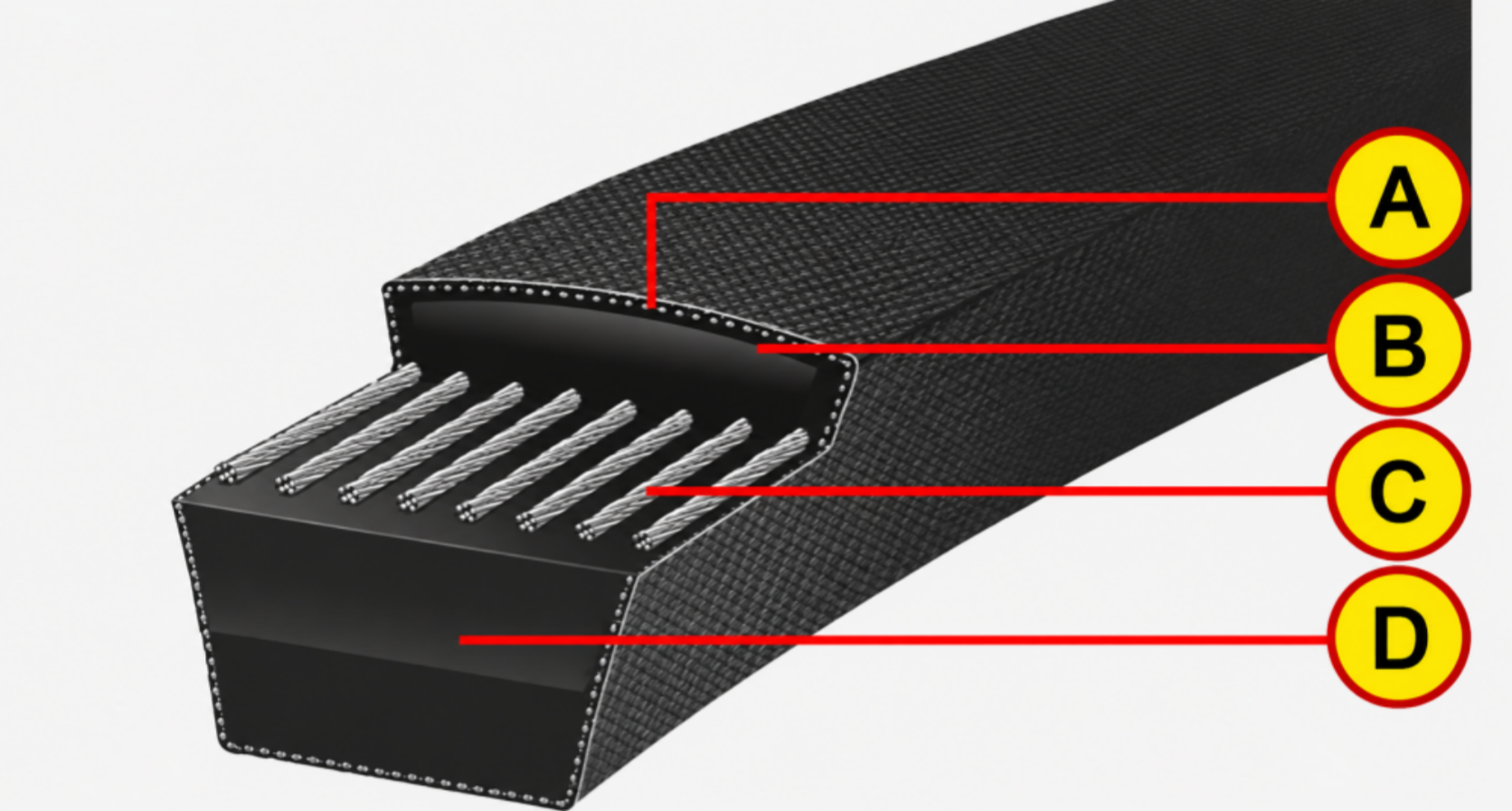 |
A narrow V-belt is designed with a compact and high-strength multi-layer structure to deliver higher power transmission capacity in limited drive space. TRANSCO Narrow V-Belts use a reinforced wrapped construction designed for strong tensile performance, stable running, and long service life in industrial, agricultural, and mechanical drive systems. A. Fabric Cover: The wrapped fabric cover protects the belt from abrasion, dust, oil, and external wear. It also improves grip stability and helps the belt run smoothly in narrow pulley grooves. B. Cushion Rubber: The cushion rubber layer supports the tensile cord, absorbs shock and vibration, and improves belt flexibility during high-speed and continuous operation. C. Tensile Cord: The tensile cord is the main load-bearing component of the narrow V-belt. It provides high tensile strength, low elongation, and stable power transmission under higher load conditions. D. Compression Rubber: The compression rubber body withstands bending, compression, and repeated flexing. It helps the belt maintain reliable contact with the pulley groove and supports efficient power transfer in compact drive systems. |
Model Specifications
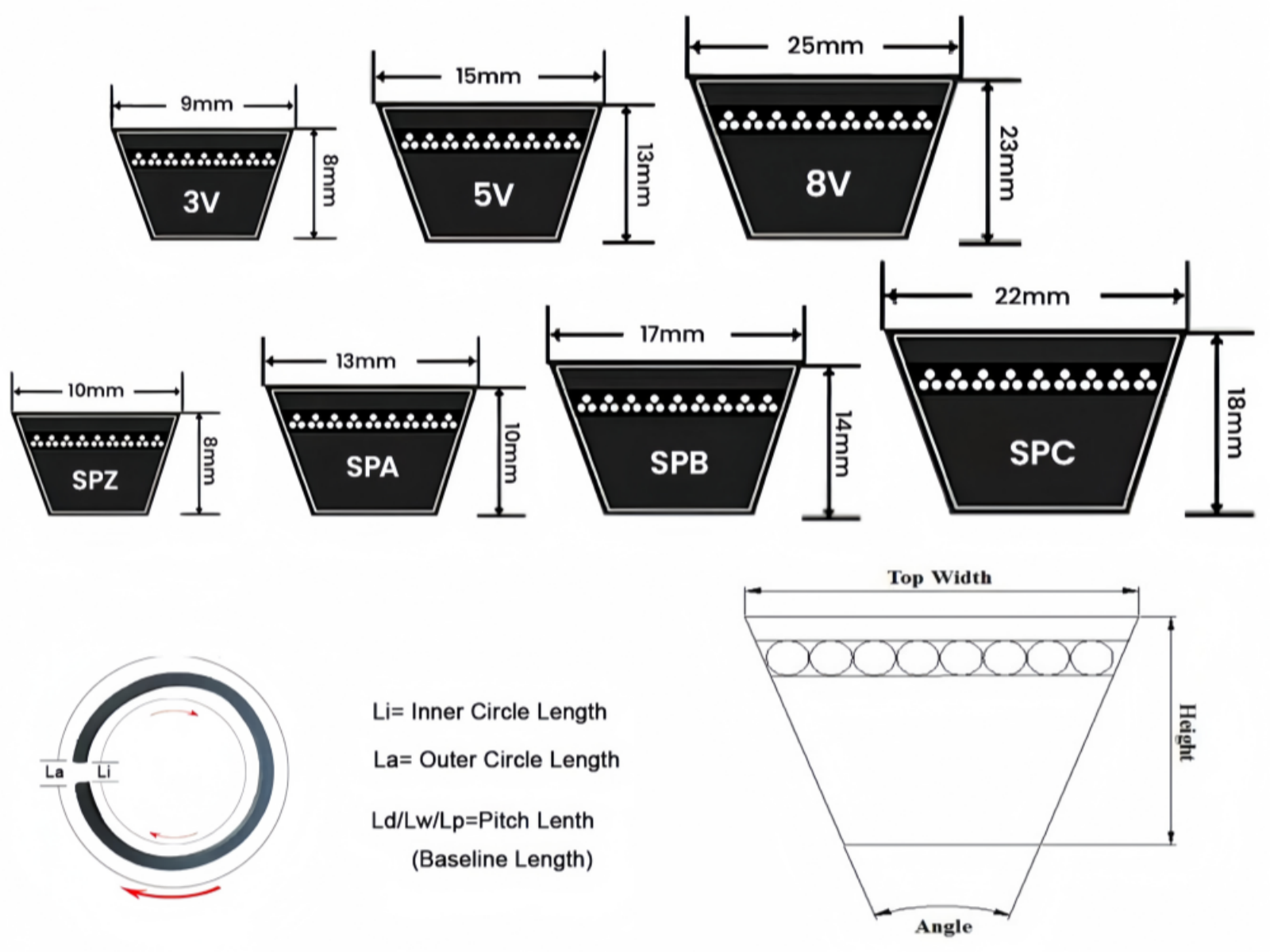 | |||||||
| Production Type | Top Width | Pitch Width | Height | Angle | Length Range | Length Conversion | Factory Mark |
|---|---|---|---|---|---|---|---|
| 3V(9N) | 9 | / | 8 | 40° | 406-5283 | La=Li+50 | La |
| 5V(15N) | 15 | / | 13 | 40° | 1118-9296 | La=Li+82 | La |
| 8V(25N) | 25 | / | 23 | 40° | 2210-15138 | La=Li+144 | La |
| SPZ | 10 | 8.5 | 8 | 40° | 500-5283 | La=Li+50 | La |
| SPA | 13 | 11 | 10 | 40° | 600-5300 | La=Li+63 | La |
| SPB | 17 | 14 | 14 | 40° | 1120-9300 | La=Li+88 | La |
| SPC | 22 | 19 | 18 | 40° | 1380-15000 | La=Li+133 | La |
Applications
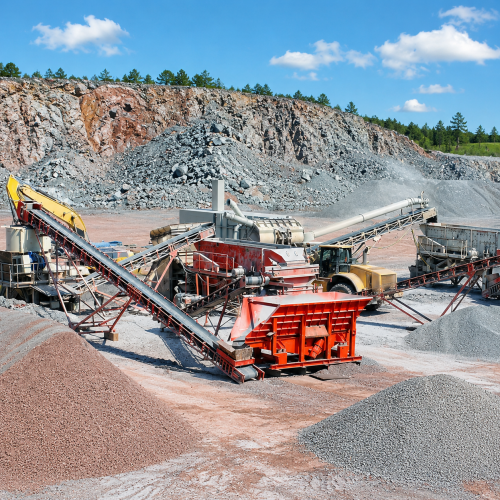 | 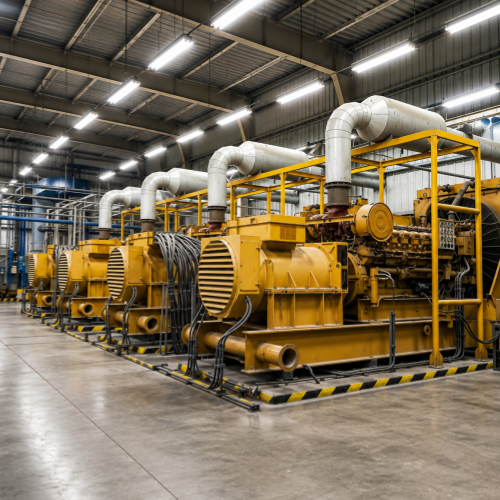 | 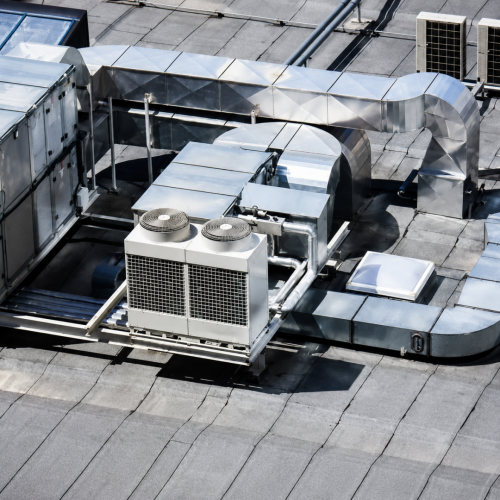 |
| Mining, Quarry and Construction Equipment | Compressors and Generators | Fans, Blowers and HVAC Systems |
| Narrow v belts can be used in crushers, screening machines, mills, quarry equipment and construction machinery. Their wrapped construction provides abrasion protection and reliable operation in heavy-duty mechanical drive systems. | Narrow wrapped V-belts are used in air compressors, screw compressors, workshop compressors and generator drive systems. They are suitable for equipment that requires dependable belt transmission, shock-load resistance and easy replacement during maintenance. | Narrow v belts are suitable for fans, ventilators, blowers, cooling towers and HVAC drive systems. The wrapped fabric cover helps protect the belt body while supporting smooth operation in medium-load ventilation and air movement applications. |
 | 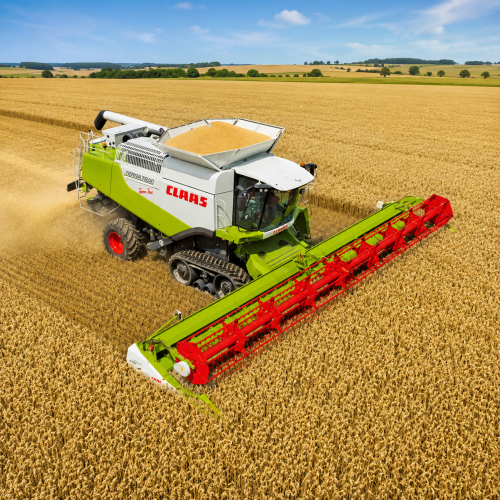 |  |
| Industrial Machinery | Agricultural Machinery | Pumps and Irrigation Systems |
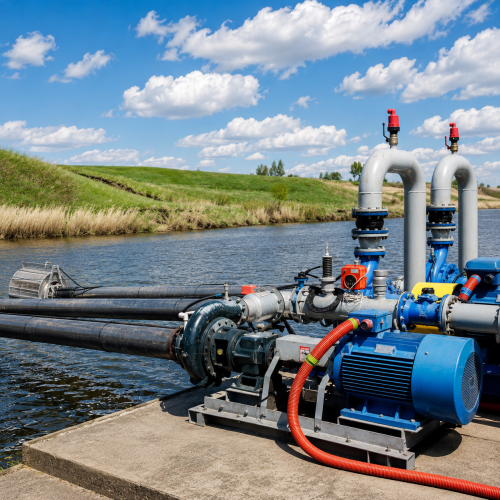
| Narrow v belts are commonly used in general industrial equipment such as machine tools, mixers, lathes, drilling machines, woodworking machines, textile machines and packaging machines. Their standardized classical profiles make them a practical choice for many existing industrial drive systems. | Narrow wrapped V-belts are widely used in tractors, harvesters, threshers, irrigation pumps, mowers and other agricultural machines. They are suitable for conventional pulley drives that require stable power transmission, easy replacement and reliable performance in dusty outdoor working conditions. | Narrow wrapped V-belts are frequently applied in centrifugal pumps, water pumps, irrigation pumps and industrial pump units. They help transfer power from motors or engines to pump shafts in a simple, cost-effective and maintenance-friendly drive layout. |
Packing and Shipping
 |  |
 |  |
Frequently Asked Questions
Key differences:
• Narrow V-belt profiles: SPZ, SPA, SPB, SPC, 3V, 5V, 8V
• Classical V-belt profiles: Z, A, B, C, D, E
• Narrow V-belts usually transmit more power in less space
• Narrow V-belts require compatible pulley grooves
• SPZ
• SPA
• SPB
• SPC
The common American profiles are:
• 3V
• 5V
• 8V
For international buyers, it is useful to show both profile systems on the product page.
Examples:
• SPZ 1000 means SPZ profile with 1000 mm length reference
• SPA 1600 means SPA profile with 1600 mm length reference
• SPB 2240 means SPB profile with 2240 mm length reference
• 5V800 usually refers to 5V section with an inch-based length reference
Always confirm whether the length is inside length, outside length, effective length or pitch length.
• SPZ: for compact and light to medium drives
• SPA: for general industrial drives
• SPB: for medium and heavy-duty drives
• SPC: for high power heavy-duty drives
Larger profiles can generally handle higher loads but require larger pulleys and more installation space.
• Rubber impregnated fabric cover
• Polyester tensile cords
• Neoprene or CR rubber body
• Compression rubber
• Lateral reinforcement
For special applications, EPDM compound, aramid cord, heat-resistant compound, oil-resistant compound or antistatic construction can be customized.
• Smaller pulley diameter
• Higher flexibility
• Better heat dissipation
• Improved bending performance
• Higher efficiency in compact drives
Common cogged profiles include XPZ, XPA, XPB, XPC, 3VX and 5VX.
Typical applications include:
• Crushers
• Compressors
• Vibrating screens
• Heavy-duty agricultural machinery
• High-load industrial drives
• Match the belt profile with the pulley groove
• Do not force the belt over the pulley with tools
• Align pulleys accurately
• Apply proper belt tension
• Run the drive briefly and recheck tension
• Replace full belt sets on multi-belt drives
Incorrect installation can cause slip, noise, heat build-up and premature belt wear.
• Insufficient belt tension
• Wrong pulley groove
• Worn pulley
• Oil or grease contamination
• Overloaded drive
• Incorrect belt length
• Poor pulley alignment
Solving belt slip usually requires checking both the belt and the pulley system.
• Profile
• Length
• Rubber compound
• Cord material
• Wrapped or cogged construction
• Heat resistance
• Oil resistance
• Antistatic performance
• Brand printing
• Packaging requirements
For OEM or replacement projects, customers should provide the original belt model, pulley profile, length reference, equipment type and working conditions.