Service
Customized power transmission belt solutions backed by engineering expertise, controlled manufacturing and dependable quality assurance.
Our Advantages
Our Factory is equipped with state-of-the-art manufacturing facilities and advanced production lines, committed to delivering high-quality products that meet international standards.
Experienced Engineering Team
We have more than 230 skilled production workers and a core R&D team of over 25 senior engineers.Our personnel are assigned across rubber compounding, calendering, belt building, molding, vulcanization, cutting, grinding, laboratory testing and final inspection.
Integrated Manufacturing
We operate an approximately 23,000 m² manufacturing facility with 20 V-belt production lines. We manage key manufacturing processes in-house, including rubber compounding, calendering, belt building, molding, vulcanization, cutting, grinding and final inspection.
Fast Customization
We develop customized belts based on customer samples, technical drawings, OEM numbers, equipment models, dimensions and working conditions.Before sample production, we review the technical requirements and support an efficient transition from sample development to batch manufacturing.
Quality Assurance
We are committed to delivering reliable and consistent belt quality through strict control at every stage of production. Detailed batch records provide full traceability, helping us maintain stable performance, dependable durability and consistent quality across every order.
Customized Services
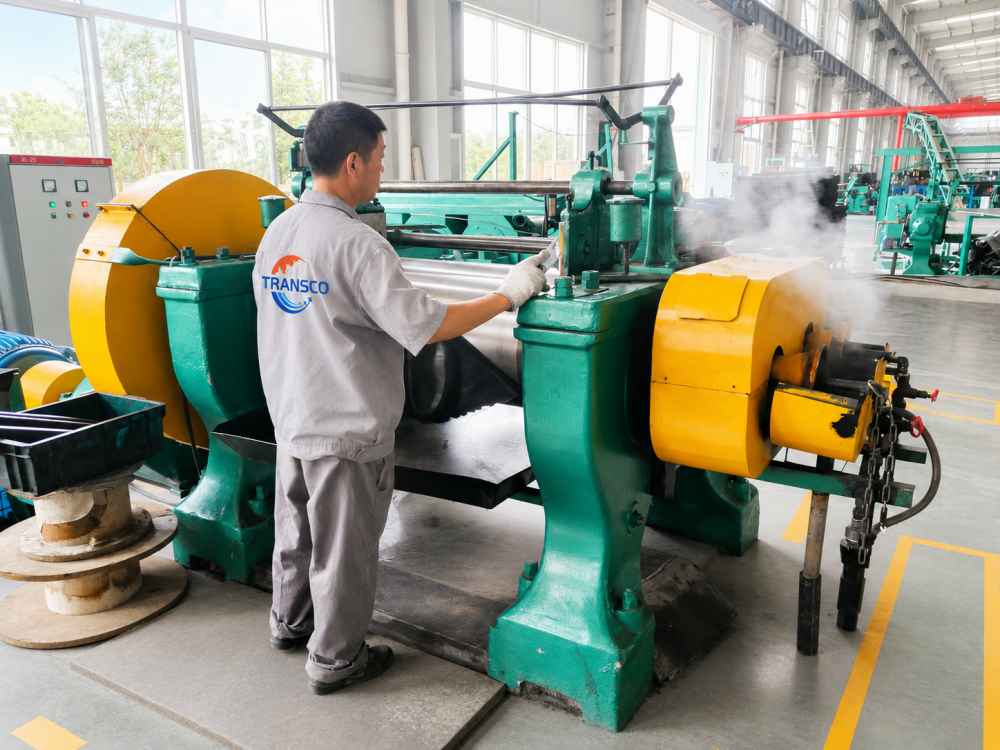
We provide customized power transmission belt solutions based on product models, physical samples, technical drawings, OEM numbers, equipment information and operating conditions. Our engineering team reviews the belt profile, dimensions, structure, materials and performance requirements before development or production.
When exact specifications are unavailable, customers can provide an existing belt sample, equipment model, pulley dimensions or application details for technical analysis. We evaluate the belt length, width, profile, tooth pitch, rib configuration, surface structure and reinforcement design.
Customization options include belt dimensions, profiles, rubber compounds, tensile cords, fabric coverings, tooth or cog structures, rib designs, surface finishes and product markings. Performance requirements such as heat resistance, oil resistance, abrasion resistance, low elongation, anti-static properties and fatigue resistance can also be reviewed.
After the technical requirements are confirmed, trial samples can be produced for dimensional verification, installation testing or customer evaluation. Once approved, the product is transferred to batch production, with material, production and inspection records maintained to support consistent quality and repeat orders.
Our Service
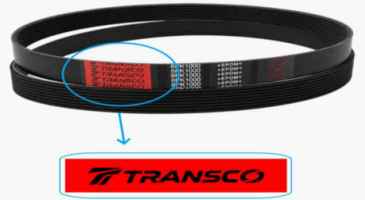
Custom Logo
We customize belt logos, models, specifications and batch markings according to your branding and product requirements.
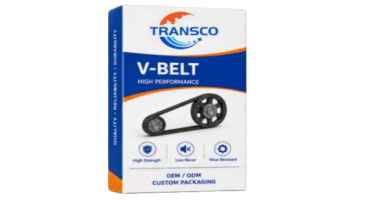
Custom Packaging
We provide branded cartons, labels, bags, pallets and export packaging based on your packing and market requirements.
Quality Assurance
We control quality from incoming materials and rubber compound testing to finished belt inspection and shipment release.
Sample Support
Standard samples may be available for evaluation, while customized samples are confirmed according to size, material and development requirements.
Quality Control Process
Incoming Raw Material Inspection
1. Material Receipt
2. Document Verification
3. Batch Registration
4. Random Sampling
5. Rubber & Chemical Testing
6. Reinforcement Material Inspection
7. Engineer Review
8. Material Release or Rejection
Rubber Compound & In-Process Inspection
1. Compound Batch Sampling
2. Density & Appearance Check
3. Mooney Viscosity Testing
4. Cure Characteristics Testing
5. Cured Rubber Testing
6. Cord & Construction Control
7. Molding & Vulcanization Monitoring
8. Release, Rework or Rejection
Finished Product & Pre-Shipment Inspection
1. Order Specification Review
2. Appearance Inspection
3. Profile & Dimension Check
4. Length & Tolerance Verification
5. Physical Performance Testing
6. Engineer Approval
7. Packaging Inspection
8. Final Shipment Release
Quality Control & Testing FAQ
How Does TRANSCO Inspect Incoming Raw Materials?
Every incoming material batch is inspected before it is released for production. When materials arrive at our factory, the warehouse team verifies the supplier, purchase order, material grade, specification, quantity, batch number, packaging condition and accompanying documents. Each batch is then assigned an internal lot number and placed under quarantine status to prevent unverified materials from entering production.
Our quality team takes representative samples according to the material type and inspection plan. Rubber, chemicals, reinforcement fabrics and tensile cords are tested using material-specific methods, which may include appearance, identity, density, moisture, ash content, tensile strength, elongation and surface condition.
After testing, a quality engineer compares the results with the approved purchase specification, internal quality requirements and applicable customer standards. Qualified materials are released to approved storage for production use. Nonconforming materials are identified, segregated and reviewed for additional testing, supplier return, authorized downgraded use or rejection.
How Does TRANSCO Inspect Finished Belts Before Shipment?
Before final release, each finished belt is checked against the production order and customer specification. Our quality team confirms the belt model, profile, material grade, dimensions, quantity, marking, packaging requirements and any special performance requirements specified by the customer.
The belt is then inspected for surface condition, profile accuracy, top width, belt height, effective or outside length, length tolerance, cog dimensions, rib dimensions, tooth pitch and printed batch identification. Depending on the belt type and inspection plan, performance testing may include tensile strength, elongation, cord adhesion, fabric adhesion, hardness, abrasion resistance, heat ageing, oil resistance, low-temperature flexibility, fatigue performance and electrical resistance.
A quality engineer reviews the dimensional records, test results, production data and product identification before issuing the inspection report and release decision. Qualified belts are transferred to finished goods storage. Before shipment, the model, quantity, batch code, labels, packaging condition, packing list and required documents are checked again. Products that fail inspection are segregated for repair, reprocessing, additional testing, remanufacture or rejection, and reworked products must pass reinspection before shipment.
Which Rubber Properties Are Tested During Quality Inspection?
TRANSCO tests the main rubber properties that affect belt strength, flexibility, wear resistance and dimensional stability. Typical test items include tensile strength, elongation at break, hardness, density and abrasion resistance.
Tensile strength is normally recorded in MPa, elongation is recorded as a percentage, and hardness is recorded using the specified Shore scale. The required values are selected according to the rubber compound, belt construction, customer requirement and intended application. Different V-belts, timing belts and ribbed belts do not use one universal acceptance value.
How Is Rubber Abrasion Resistance Tested?
Rubber abrasion resistance is tested by measuring how much material is lost under controlled rubbing conditions. The result may be reported as volume loss or as an abrasion resistance index, depending on the selected test method.
Lower or more stable material loss usually indicates better resistance to repeated surface wear under the same laboratory conditions. However, laboratory abrasion data is used mainly for compound comparison and quality control. Actual belt wear also depends on pulley condition, belt tension, alignment, speed, load, contamination and operating temperature.
How Does TRANSCO Test Belt Fatigue and Dynamic Performance?
TRANSCO selects fatigue and dynamic tests according to the belt type and operating application. Automotive V-belts, industrial V-belts, timing belts and PK ribbed belts have different profiles, constructions and working conditions, so they do not use the same test arrangement.
A dynamic test may record the pulley configuration, belt speed, applied load, operating time, temperature and final belt condition. Fatigue testing is normally used for product development, type verification, periodic quality checks or customer-specific requirements rather than as a routine test for every individual belt.
What Information Is Included in a Belt Inspection Report?
A TRANSCO belt inspection report can include the product model, belt profile, production batch, sample number, inspection date, test method, acceptance requirement and actual measured result.
Depending on the belt type, the report may record belt length, length tolerance, top width, belt height, tensile strength, elongation, hardness, adhesion, abrasion resistance, Mooney viscosity, cure data or electrical resistance. The report also includes the inspection conclusion and release status. This allows the tested sample to be connected with the relevant production batch and customer order.
How Does TRANSCO Control Rubber Compounds and Production Processes?
Each rubber compound batch is assigned a traceable batch number linked to the approved formulation, mixing date, production equipment, operator and incoming material lots. A representative sample is collected to verify the consistency of the uncured compound before it proceeds to the next manufacturing stage.
Our laboratory checks the compound for appearance, contamination, density and processing consistency. Mooney viscosity testing is used to evaluate processing stability, while cure characteristics testing measures parameters such as minimum torque, maximum torque, scorch time and optimum cure time. A controlled rubber test sheet may also be vulcanized to verify hardness, tensile strength, elongation and abrasion resistance.
During belt production, our inspectors monitor tensile cord arrangement, cord tension, fabric wrapping, belt profile, mold loading, cog or tooth formation, rib position and dimensional consistency. Vulcanization temperature, pressure and time are recorded according to the approved process specification. A quality engineer reviews the compound data and production records before releasing the batch. Any nonconforming batch is placed on hold for rework, additional testing, authorized downgrade or rejection, followed by reinspection where necessary.
What Standards Are Used for V-Belt Dimension Inspection?
TRANSCO inspects V-belt dimensions according to the customer specification, approved product drawing and applicable belt standard. For classical and narrow V-belts, ISO 4184 can be used as a dimensional reference for common sections such as Z, A, B, C, SPZ, SPA, SPB and SPC.
The inspection normally records the belt profile, top width, belt height, datum or effective length, measured length and length tolerance. The measured data must meet the requirements confirmed for the specific belt model before the product is released.
How Does TRANSCO Check Rubber Compound Consistency?
TRANSCO checks each rubber mixing batch before it is released to the next production stage. The compound batch is identified by formulation, mixing date, equipment, operator and related raw material lots.
Mooney viscosity is used to evaluate the processing consistency of uncured rubber. Cure testing is used to measure minimum torque, maximum torque, scorch time and optimum cure time. These results are compared with the approved compound control range. A batch with abnormal processing or curing data is placed on hold for review, additional testing, rework or rejection.
How Is Anti-Static Belt Performance Verified?
Anti-static belt performance is verified by measuring electrical resistance under controlled test conditions. The test confirms whether the belt can safely dissipate static electricity instead of allowing electrical charge to build up during operation.
The inspection record should identify the belt model, test method, measured resistance, sample batch and acceptance requirement. Anti-static performance is tested only when it is required by the belt specification, application or customer order. It should not be claimed only from the belt material, color or appearance.
Is Every Belt Tested With the Same Inspection Frequency?
No. TRANSCO uses different inspection frequencies for different quality characteristics. Incoming materials are inspected by batch, rubber compounds are checked by mixing batch, and production parameters are monitored at defined process stages.
Finished belt dimensions, appearance, model and marking may be checked by individual belt, sampled units or production batch. More complex tests, such as fatigue life, heat ageing, oil resistance and dynamic endurance, may be conducted periodically, by product type or according to customer requirements. The applicable inspection frequency is defined in the relevant control plan.
How Does TRANSCO Keep Test Results Accurate and Comparable?
TRANSCO controls the main conditions that can affect test results. These conditions include specimen preparation, sample thickness, test temperature, conditioning time, instrument type, test speed and operating procedure.
The same product or rubber compound is compared using a consistent test method and approved control range. Test records identify the sample batch, equipment or instrument, test conditions, measured result, inspector and review status. This helps the quality team distinguish actual material or production variation from differences caused by sample preparation or testing conditions.