Automotive Timing Belt
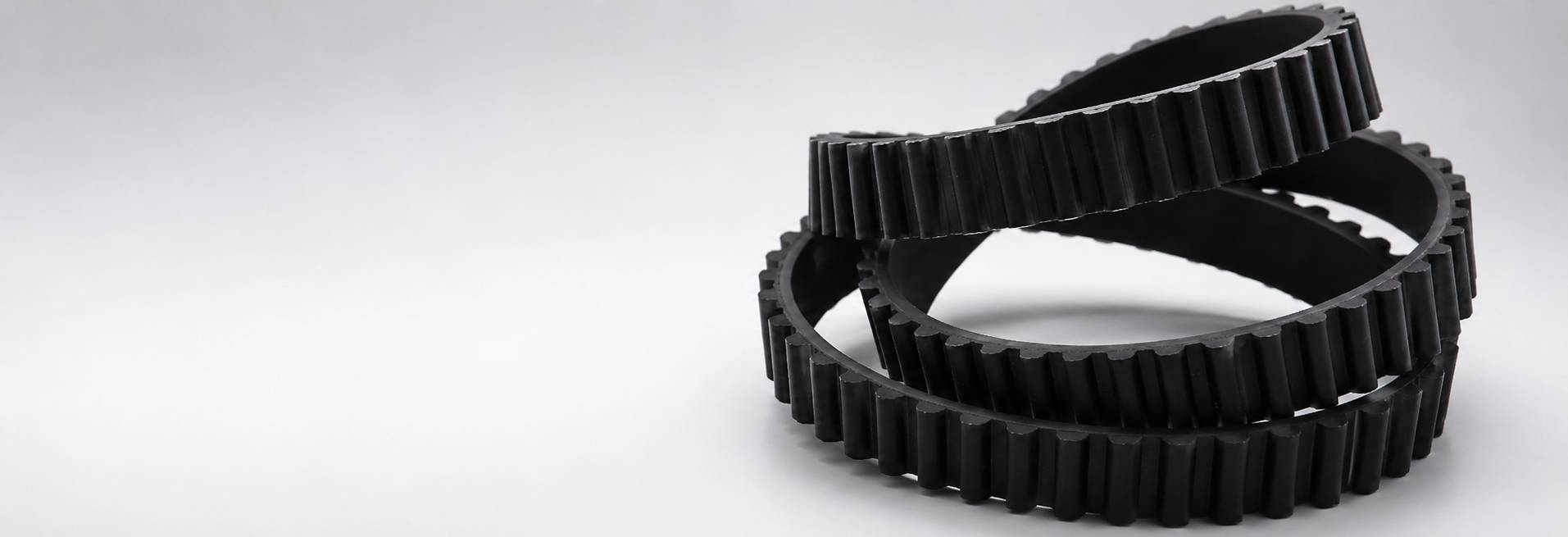
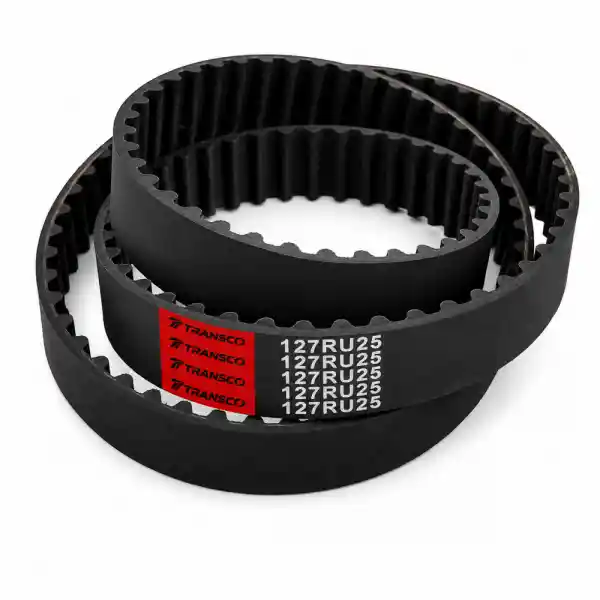
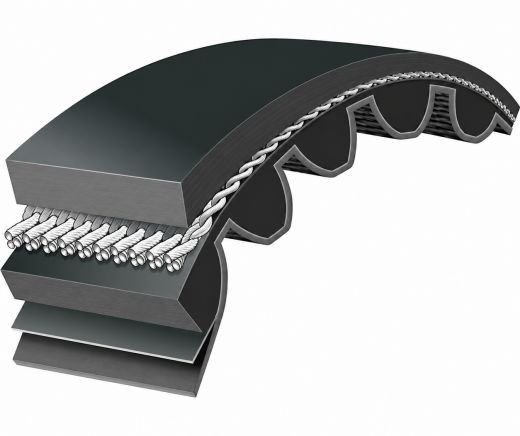
TRANSCO supplies automotive timing belts for passenger cars, SUVs and light commercial vehicles, including OE replacement and aftermarket applications. Available constructions include CR or HNBR rubber compounds, fiberglass or aramid tensile cords, wear-resistant nylon tooth fabric and multiple automotive tooth profiles. Belt selection can be matched by vehicle and engine information, OE number, belt code, tooth count, width, profile, sample or technical drawing.
Key Features:
Precise synchronous timing
Low-elongation tensile structure
HNBR/CR compound options
Wear-resistant nylon tooth facing
OE and profile matching
What is an Automotive Timing Belt?
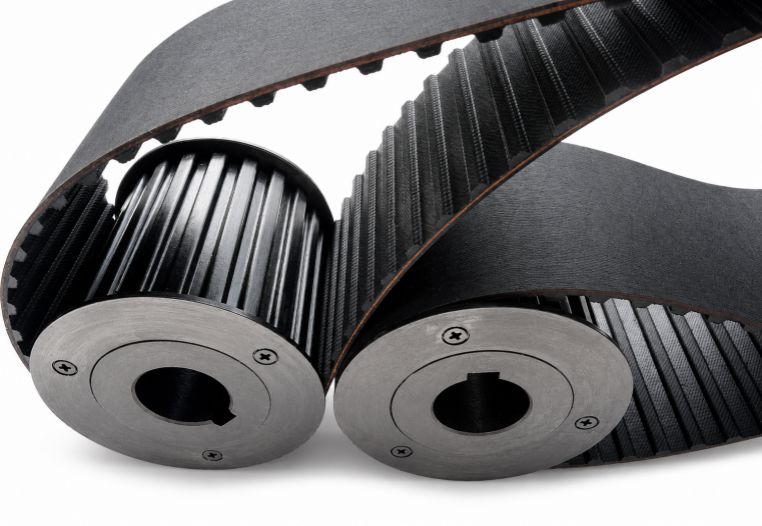
An automotive timing belt, also called an engine timing belt, car timing belt or cambelt, is a toothed rubber synchronous belt that links the crankshaft and camshaft so the engine valves open and close at the correct point in the combustion cycle. Unlike an accessory belt, it is part of the engine timing system and must maintain accurate tooth-to-pulley engagement and stable pitch length during repeated high-speed operation.
A timing belt is different from a serpentine belt or accessory drive belt. A serpentine belt drives external accessories such as the alternator, air-conditioning compressor and, on some engines, the water pump. The automotive timing belt controls internal engine synchronization. Correct OE matching is therefore based on the vehicle and engine code, OE or cross-reference number, tooth profile, tooth count, belt width and required material specification.
Why choose TRANSCO Automotive Timing Belt?
Precision Molded Tooth Geometry:
Accurately molded tooth profiles engage with crankshaft and camshaft pulleys as a positive synchronous drive, helping maintain stable valve timing without relative belt slip. Controlled tooth geometry and pitch are especially important for reducing meshing error, abnormal tooth wear and timing deviation.
Low-Elongation Tensile Structure:
Fiberglass tensile cords provide high tensile strength with low elongation, helping the belt maintain stable pitch length and tooth position under repeated engine loads. Aramid tensile members are available for selected applications requiring higher strength or lower elongation.
HNBR and CR Rubber Compound Options:
HNBR compounds are suited to demanding engine environments where improved heat, ozone and ageing resistance are required, while CR compounds are available for standard replacement specifications. Compound selection can be matched to the vehicle application, operating temperature and OEM requirement.
Wear-Resistant Nylon Tooth Fabric:
Polyamide/nylon fabric covers the working tooth surface to reduce friction and abrasion during repeated pulley engagement. The fabric protects the tooth flanks, supports smoother meshing and helps control wear and operating noise over continuous timing cycles.
Stable Tooth Load Transfer:
The molded tooth rubber and tensile-cord structure work together to transfer pulley tooth loads through the belt while maintaining tooth shape under cyclic tension and bending. Stable load distribution helps reduce localized tooth deformation and supports consistent synchronous engagement.
Flex-Fatigue Stability for Engine Timing Cycles:
Automotive timing belts repeatedly bend around crankshaft, camshaft, tensioner and idler pulleys while remaining under controlled tension. The combined rubber, cord and tooth-fabric construction is designed to resist repeated flexing and maintain dimensional stability during continuous engine timing operation.
Technical Standards
① IATF 16949:2016 Automotive Quality Management
: Automotive timing belt production is controlled under an IATF 16949:2016-certified automotive quality management system, supporting process control, product traceability, defect prevention and consistent manufacturing quality for automotive applications.
② Automotive Belt Dimensions & Tooth Geometry:
TRANSCO automotive timing belts can be manufactured and dimensionally inspected according to ISO 21342:2019 and applicable requirements of GB/T 12734-2017, covering tooth geometry, pitch, belt width, pitch length and dimensional tolerances for automotive synchronous belt drives.
③ Physical Property Verification:
Automotive timing belt physical properties can be tested according to ISO 12046:2025 and GB/T 10716-2012. These methods provide technical verification for synchronous belts used in camshaft, fuel-injection-pump, balance-shaft and other engine timing drives.
④ Fatigue & Dynamic Durability:
Belt fatigue performance can be evaluated according to GB/T 18183-2017, supporting verification under repeated bending, tensile loading and continuous synchronous transmission conditions.
⑤ Material & Environmental Performance:
Where required by the application, rubber compounds can be evaluated for accelerated ageing and heat resistance according to ISO 188:2023 and for resistance to oils or specified service liquids according to ISO 1817:2024, or the current applicable edition. Acceptance criteria are defined by the approved belt compound and OEM/customer specification.
How to choose Automotive Timing Belt?
Confirm Vehicle and Engine Information
: Provide the vehicle brand, model, production year and engine code. Different engines within the same vehicle family can use different timing belt lengths, widths and tooth profiles.
Check the OE Number or Belt Code
: For replacement timing belts, the OE number, original belt code or reliable cross-reference number is the fastest way to narrow the match. A sample belt or technical drawing can also be used when the marking is unavailable.
Verify Tooth Count and Belt Width
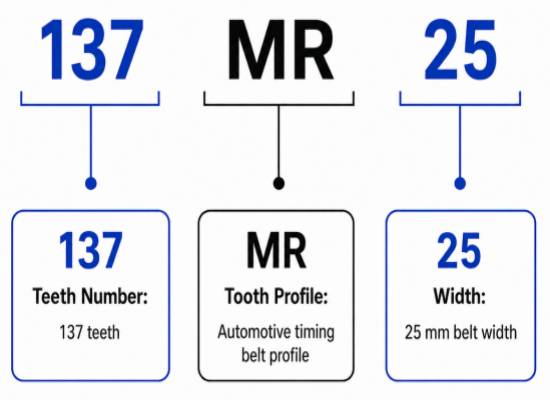
: Tooth count and belt width must match the engine timing system. For example, 137 ZBS 25 indicates 137 teeth, a ZBS tooth profile and a 25 mm belt width.
Match the Tooth Profile
: The tooth profile must correspond to the pulley groove geometry. Common TRANSCO automotive profiles include MR, MY, YU, RU, ZA, ZB, ZBS, ZAS, S8M, ZLB and RPP. Incorrect profile matching can cause poor meshing, noise or accelerated tooth wear.
Select the Rubber and Cord Specification
: Choose CR or HNBR according to the engine environment and OEM requirement. Fiberglass cord is standard for stable low-elongation timing performance, while aramid reinforcement is available for selected customized or higher-load applications.
Confirm Kit and Custom Requirements
: For aftermarket programs, confirm whether the order requires the timing belt only or a kit with tensioners, idlers and, where applicable, a water pump. Also specify logo marking, private-label packaging, quantity and market requirements.
| Quick Selection Checklist | ||
|
|
|
| Vehicle / Engine | Brand, model, year and engine code | |
| OE Reference | OE number, belt code or cross-reference number | |
| Tooth Profile | MR, MY, YU, RU, ZA, ZB, ZBS, ZAS, S8M, ZLB, RPP or approved custom profile | |
| Tooth Count | Required number of teeth | |
| Belt Width | OEM/standard width in mm | |
| Material | CR rubber, HNBR rubber or customized compound | |
| Tensile Cord | Fiberglass or selected aramid construction | |
| Application | Passenger car, SUV, van, light commercial vehicle, OHC/DOHC engine timing system | |
| Kit Requirement | Belt only, tensioner/idler kit or water-pump kit where applicable | |
| Customization | Logo marking, private-label packaging, sample/drawing development | |
Construction
|
|
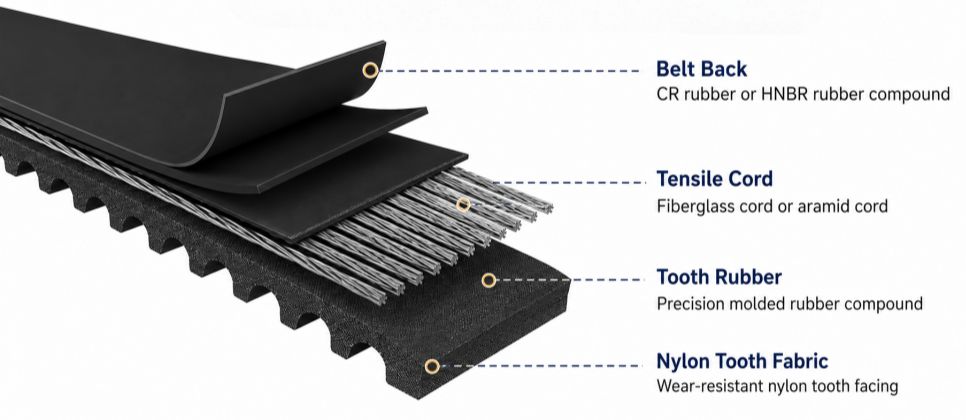
Belt Back
: CR or HNBR rubber forms the belt back and protects the tensile layer from engine-compartment exposure and repeated flexing. Compound selection is matched to the required heat, ageing and environmental resistance.
Tensile Cord : Fiberglass cord is the primary load-carrying member, providing high tensile strength, low elongation and stable pitch length. Aramid cord can be used for selected higher-load or customized requirements. Tooth Rubber : Precision-molded tooth rubber forms the required automotive tooth profile and transfers load between the timing pulley and tensile layer. Accurate tooth geometry supports stable engagement with crankshaft and camshaft timing pulleys. Nylon Tooth Fabric : Polyamide/nylon fabric protects the tooth surface during repeated engagement, reducing friction and abrasion while supporting smoother meshing and lower operating noise. |
Model Specifications
|
|||
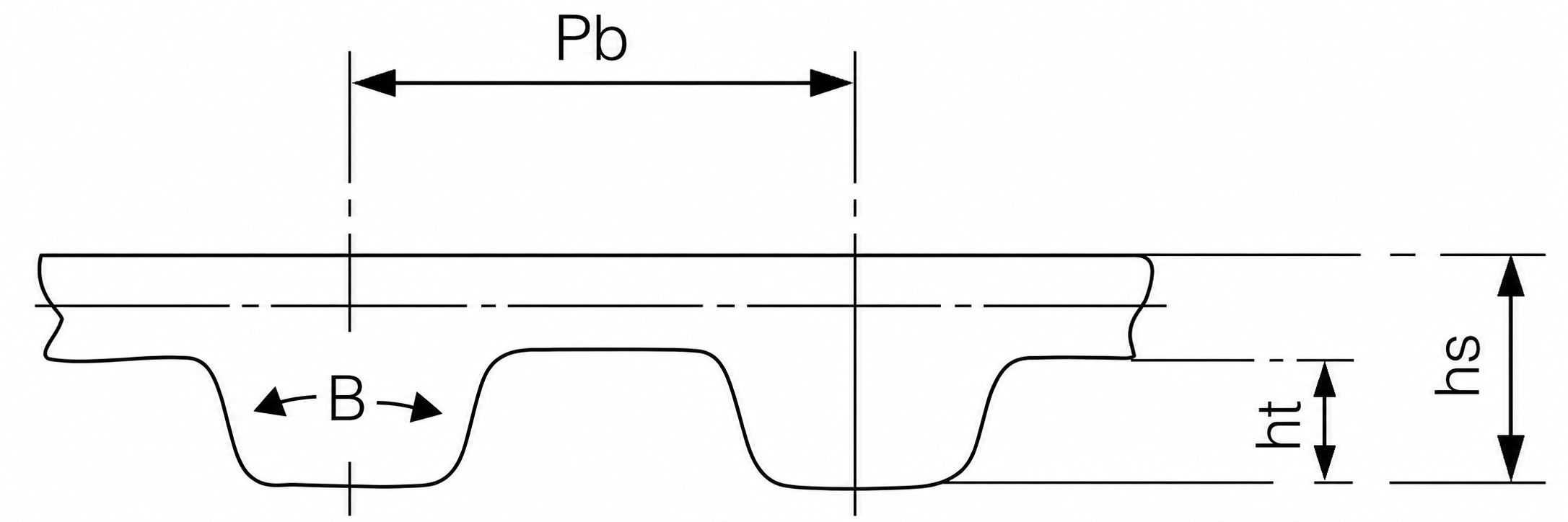
| Profile | Pitch Pb (mm) | Tooth Height ht (mm) | Overall Belt Height hs (mm) |
|---|---|---|---|
| MR | 9.525 | 3.54 | 5.69 |
| MY | 8.00 | 3.06 | 5.21 |
| YU | 8.00 | 3.11 | 5.20 |
| RU | 9.525 | 3.56 | 5.70 |
| ZA | 9.525 | 1.91 | 4.10 |
| ZB | 9.525 | 2.29 | 4.50 |
| ZBS | 9.525 | 2.76 | 5.06 |
| ZAS | 9.525 | 2.32 | 4.50 |
| S8M | 8.00 | 3.05 | 5.30 |
| ZLB | 9.525 | 2.70 | 5.05 |
| RPP | 9.525 | 2.25 | 4.50 |
Applications
|
|
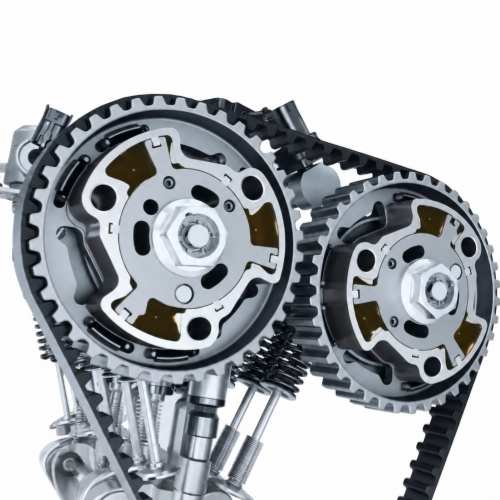
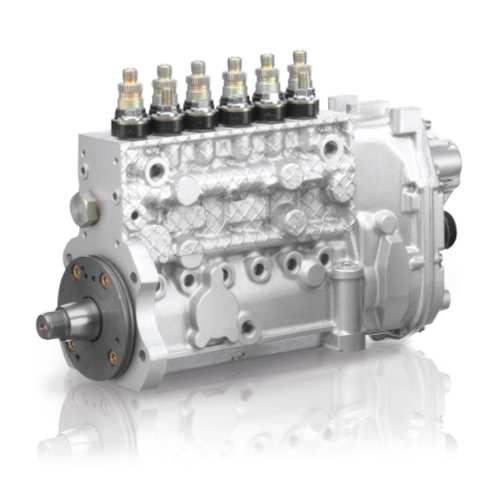
| Camshaft Timing Drives : Used to synchronize the crankshaft and camshaft in OHC and DOHC gasoline or diesel engines, maintaining correct valve timing through positive tooth engagement. | Fuel-Injection-Pump Drives : Suitable for engine systems that use a synchronous belt to drive the fuel injection pump at a defined relationship to crankshaft rotation. |
|
|
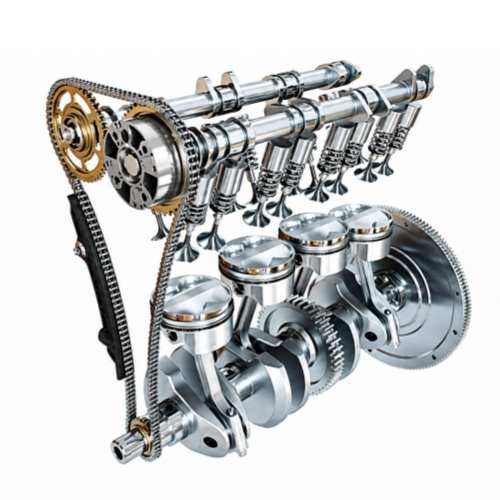
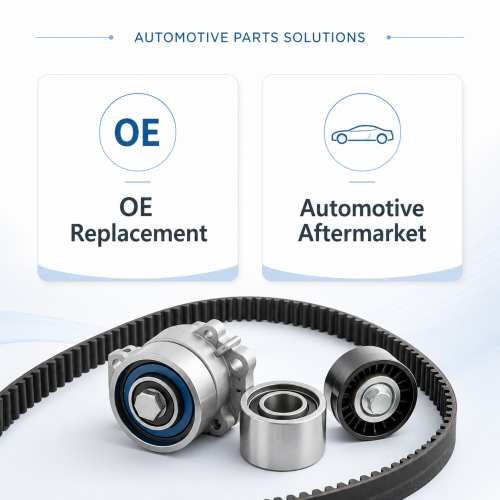
| Balance-Shaft Drives : Used in selected engine layouts where a synchronous belt controls balance-shaft timing to support smooth engine operation. | OE Replacement & Automotive Aftermarket : Available for passenger cars, SUVs, vans and light commercial vehicles, with matching by OE number, engine code, tooth count, width and tooth profile for replacement and private-label programs. |
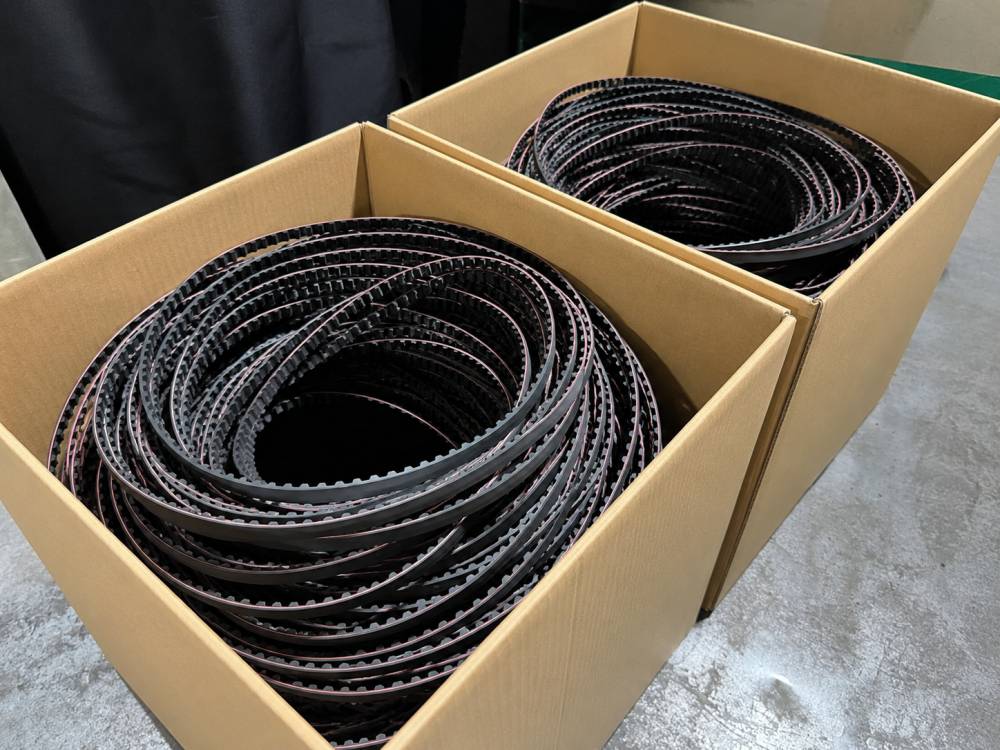
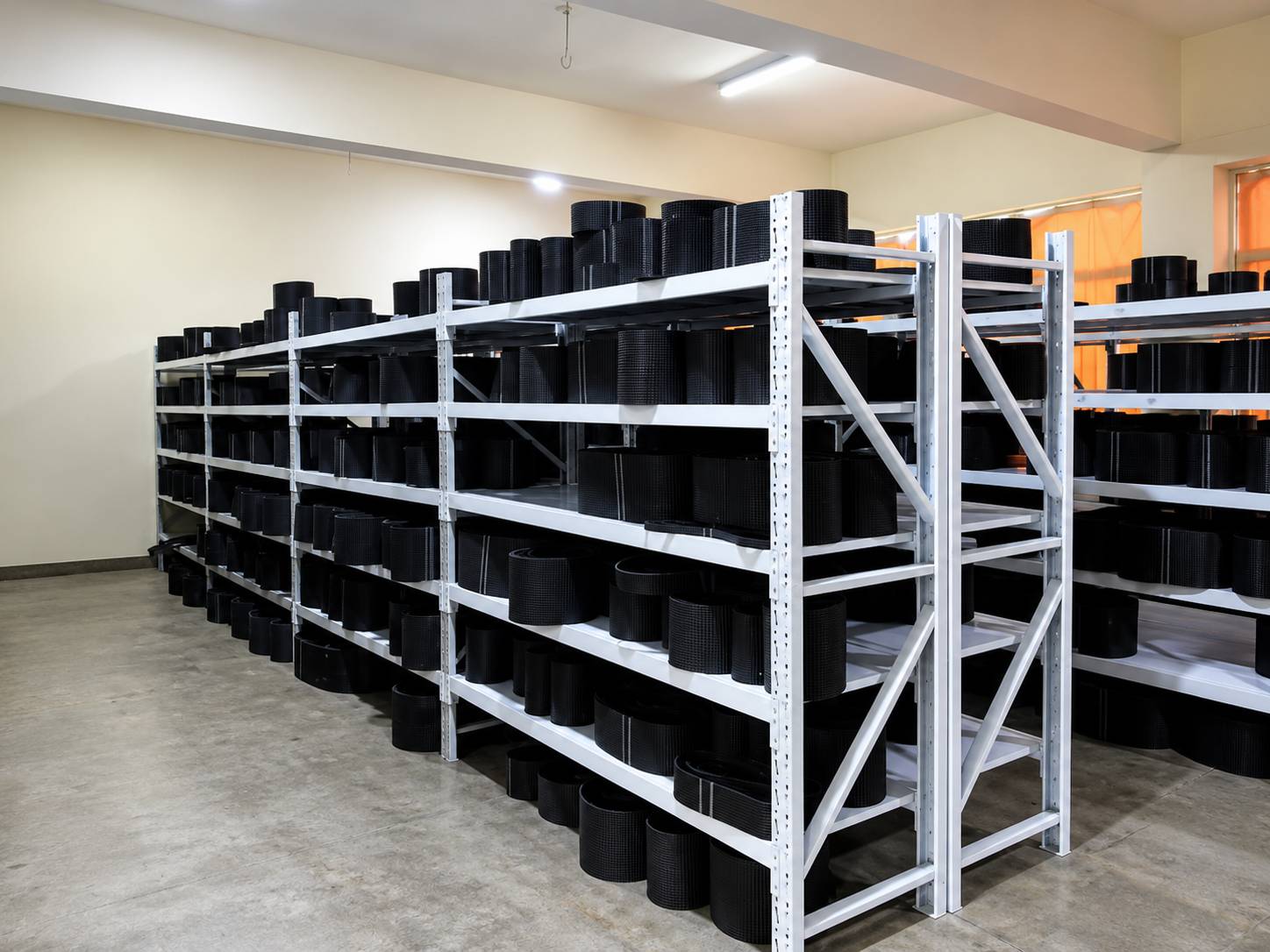
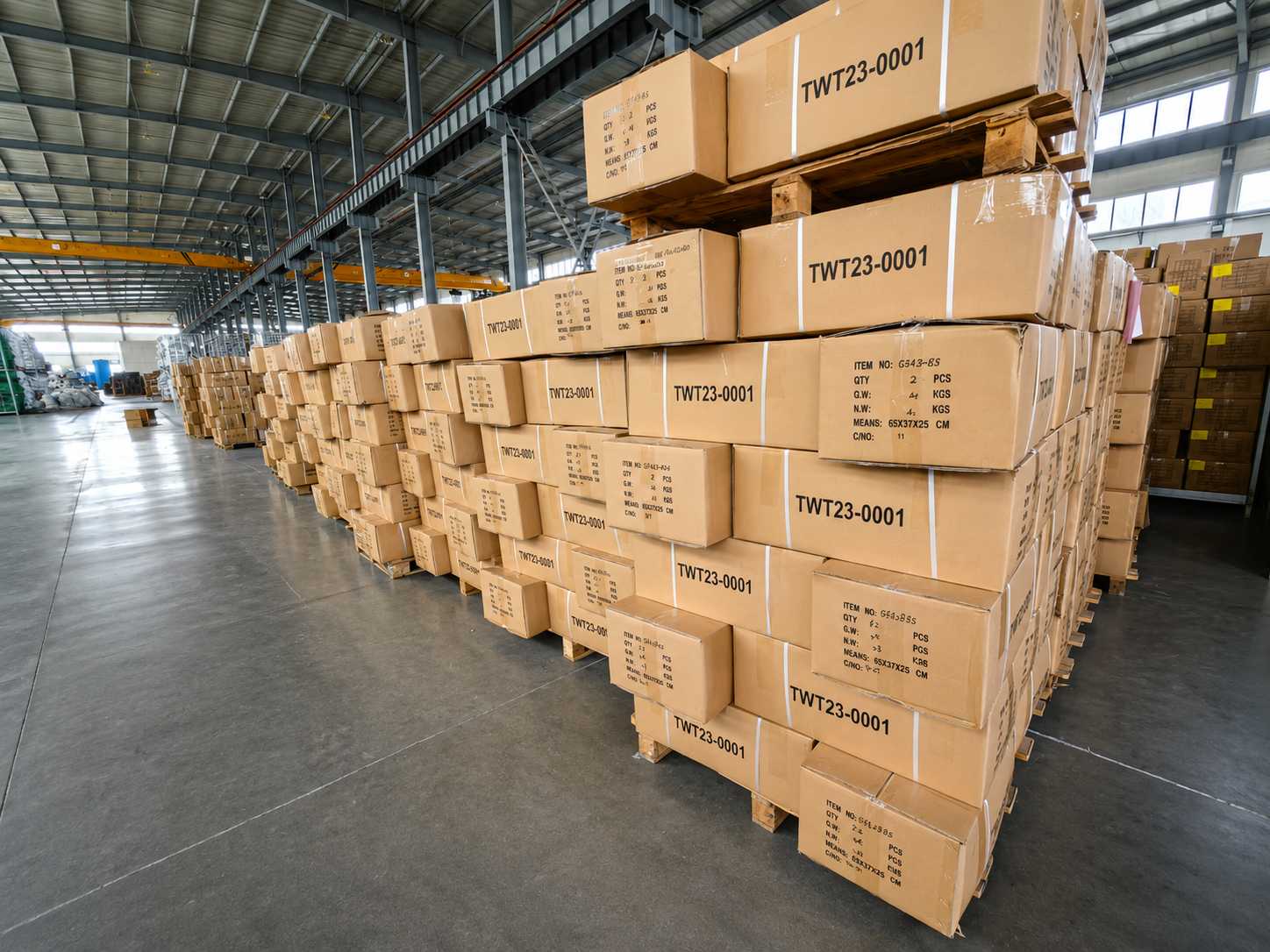
Packing and Shipping
|
|
|

|