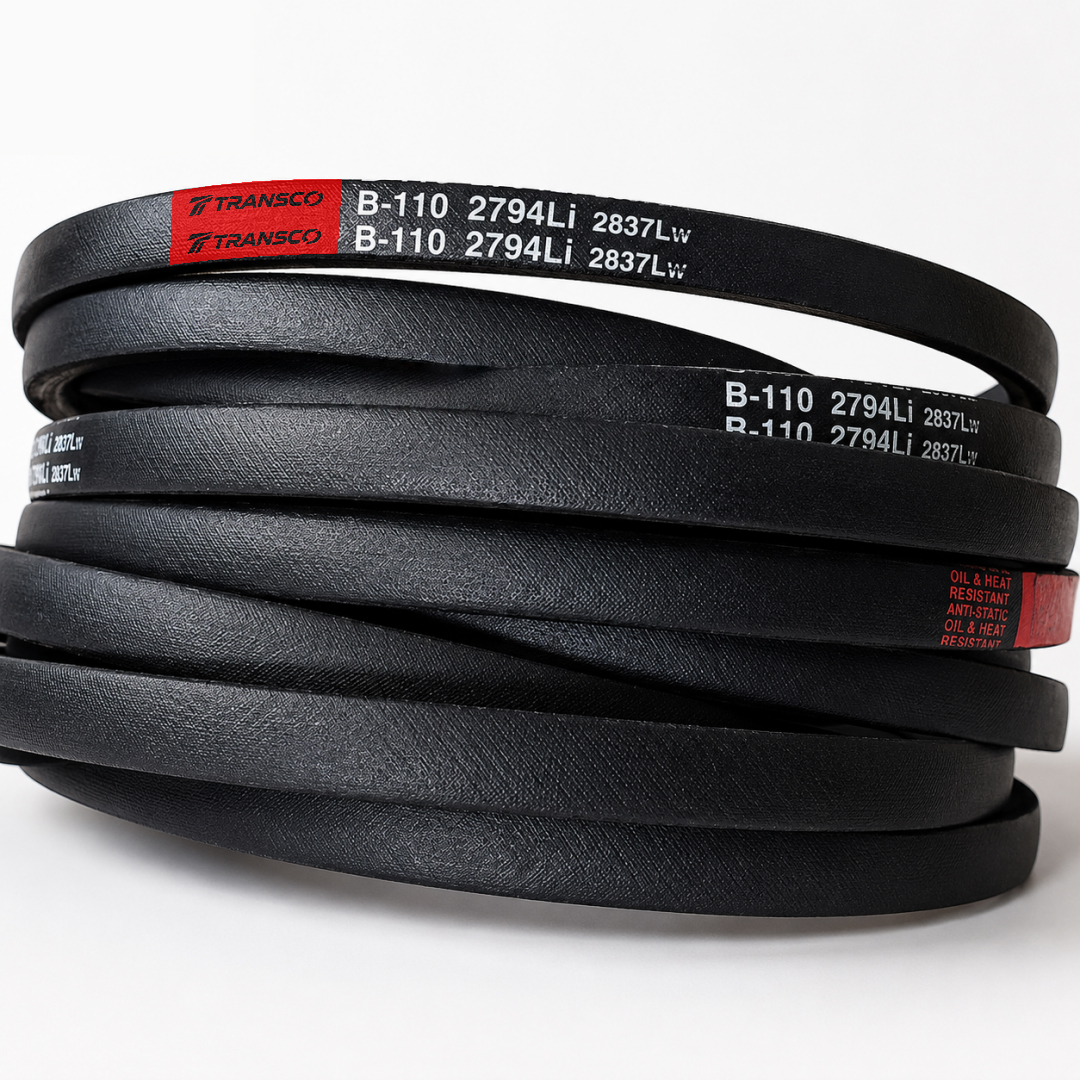
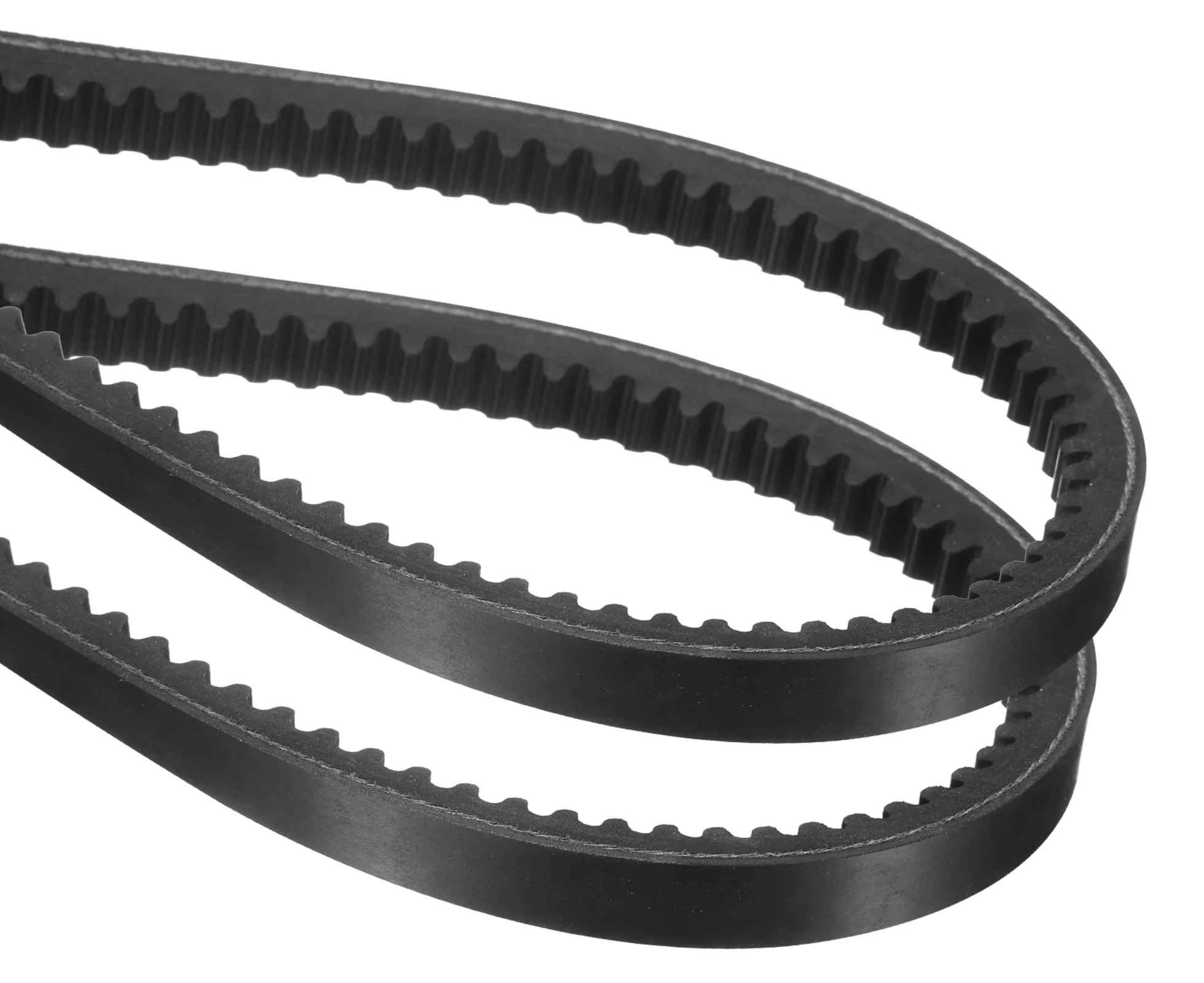
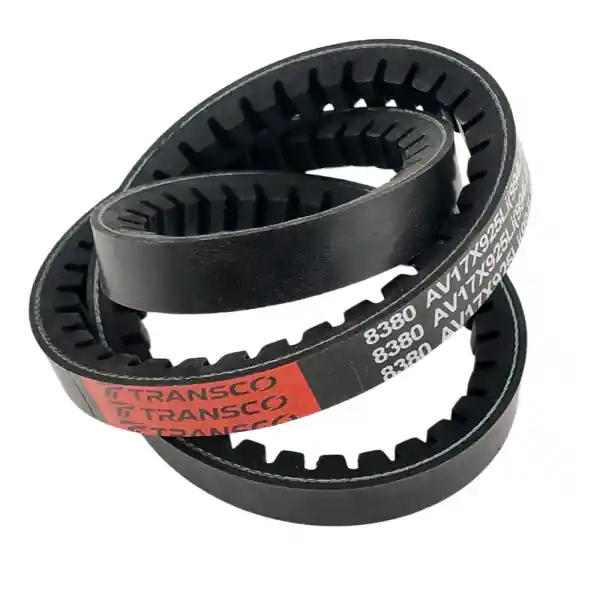
Raw Edge Cogged V-Belt
CR and EPDM compounds, polyester or aramid tensile cords, matched-set supply, private-label marking and customized packaging are available according to the drive system, operating environment and customer specification.
Key Features
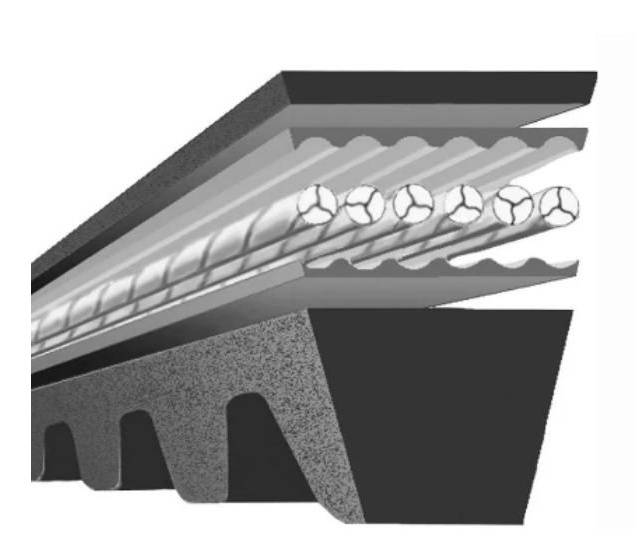
Raw edge sidewalls provide direct rubber-to-pulley contact for stable grip and efficient torque transmission.
The cogged compression section improves flexibility around smaller pulleys and reduces bending resistance.
Wide profile coverage: ZX, AX, BX, CX, 3VX, 5VX, 8VX and XPZ / XPA / XPB / XPC.
Optional heat-resistant, oil-resistant and antistatic grades are available based on compound selection and required testing.
What is a Raw Edge Cogged V-Belt?
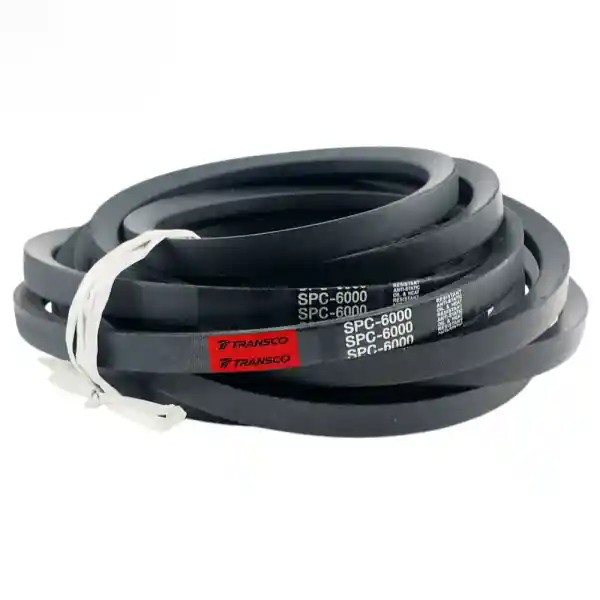
A raw edge cogged V-belt, also called a cut edge cogged V-belt, molded-notch V-belt or notched V-belt, is a friction-drive power transmission belt with exposed rubber sidewalls and molded cogs on the inner compression side. Unlike a fully wrapped V-belt, the sidewalls contact the pulley groove directly, which can improve grip and reduce slip when the belt is correctly sized and tensioned.
The molded cogs allow the compression section to bend more easily around the pulley, reducing flexing resistance and internal heat generation. This construction is particularly suitable for compact drives, smaller pulley diameters, high-speed operation and applications that require stable power transmission. Classical cogged sections include ZX, AX, BX and CX; imperial narrow wedge sections include 3VX, 5VX and 8VX; metric narrow wedge sections include XPZ, XPA, XPB and XPC.
Why choose TRANSCO Raw Edge Cogged V-Belt?
Direct Pulley Contact:
Raw edge rubber sidewalls contact the pulley groove directly, providing strong friction, reduced slip and stable power transmission under changing loads. This direct contact helps maintain reliable torque transfer in pumps, compressors, fans and other industrial drive systems.
Flexible Cogged Construction:
Molded cogs reduce bending resistance and compression stress, allowing smoother operation on smaller pulleys and compact high-speed drive systems. The increased flexibility also helps the belt adapt to frequent bending during continuous high-speed operation.
Lower Heat Build-Up:
The cogged compression section reduces repeated rubber deformation during bending, helping limit internal heat and improve flex fatigue resistance during continuous operation. Lower internal heat helps reduce thermal stress on the rubber body and supports more consistent belt performance over long operating cycles.
High Power Density:
Cogged wedge profiles such as 3VX, 5VX, XPZ, XPA, XPB and XPC are suitable for compact drives requiring efficient torque transmission within limited installation space. They are especially suitable for equipment where high transmission capacity is required without significantly increasing drive size.
Stable Tensile Structure:
Polyester cords provide good dimensional stability and controlled elongation, while optional aramid tensile members are available for higher-load and lower-elongation applications. Stable tensile reinforcement helps maintain belt tension and consistent pulley engagement during repeated load cycles.
Application-Specific Rubber Compounds:
CR and EPDM compounds can be selected according to operating conditions, with heat-resistant, oil-resistant, ozone-resistant and antistatic grades available where required. This allows the belt material to be matched more precisely to temperature, environmental exposure and specific industrial operating conditions.
Technical Standards
①Dimensions & Length System
: Applicable classical and metric narrow V-belt dimensions and datum-length requirements can be verified according to ISO 4184:2025 and GB/T 11544-2012.
②Classical V-Belt Requirements
: For applicable classical-section drives, product requirements can be verified according to GB/T 1171-2017 — Classical V-belt for general drive.
③Narrow V-Belt Requirements
: For applicable narrow-section drives, product requirements can be verified according to GB/T 12730-2018 — Narrow V-belt for general drive.
④Fatigue Performance
: Classical V-belt fatigue performance can be evaluated according to GB/T 15328-2019 — Classical V-belts — Fatigue test — Non-loading method, where applicable.
⑤Antistatic Performance
: Antistatic grades can be tested according to ISO 1813:2025 / GB/T 10715-2021 for electrical conductivity, where antistatic performance is specified.
⑥Rubber Compound Performance
: Heat ageing can be tested according to ISO 188:2023 / GB/T 3512-2014; resistance to oils and other liquids according to ISO 1817:2024 (or the latest applicable edition) / GB/T 1690-2010; and rubber tensile properties according to ISO 37:2024 / GB/T 528-2009.
Raw Edge Cogged V-Belt vs. Wrapped V-Belt
| Feature | Raw Edge Cogged V-Belt | Wrapped V-Belt |
| Sidewall construction | Exposed rubber sidewalls | Fabric-covered sidewalls |
| Pulley contact | Direct rubber contact with pulley groove | Fabric surface contacts pulley groove |
| Flexibility | Typically higher because of molded cogs | Standard flexibility |
| Small pulley drives | Generally better suited when correctly selected | More dependent on minimum pulley diameter and drive design |
| Flexing heat | Lower bending resistance can reduce internal heat build-up | Typically higher flexing resistance than a comparable cogged design |
| Surface protection | Raw sidewalls are more exposed | Fabric cover offers added surface protection |
| Typical use | Compact, high-speed or higher-flexibility drives | General industrial drives and applications need protected outer surface |
How to choose Raw Edge Cogged V-Belt?
Identify the belt profile
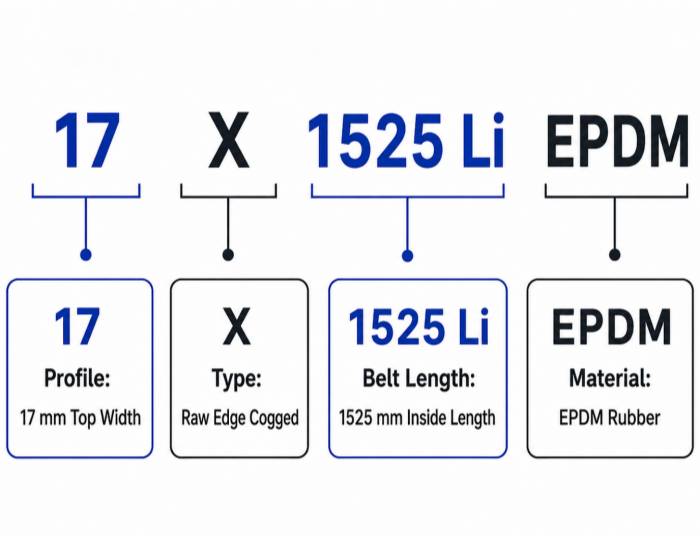
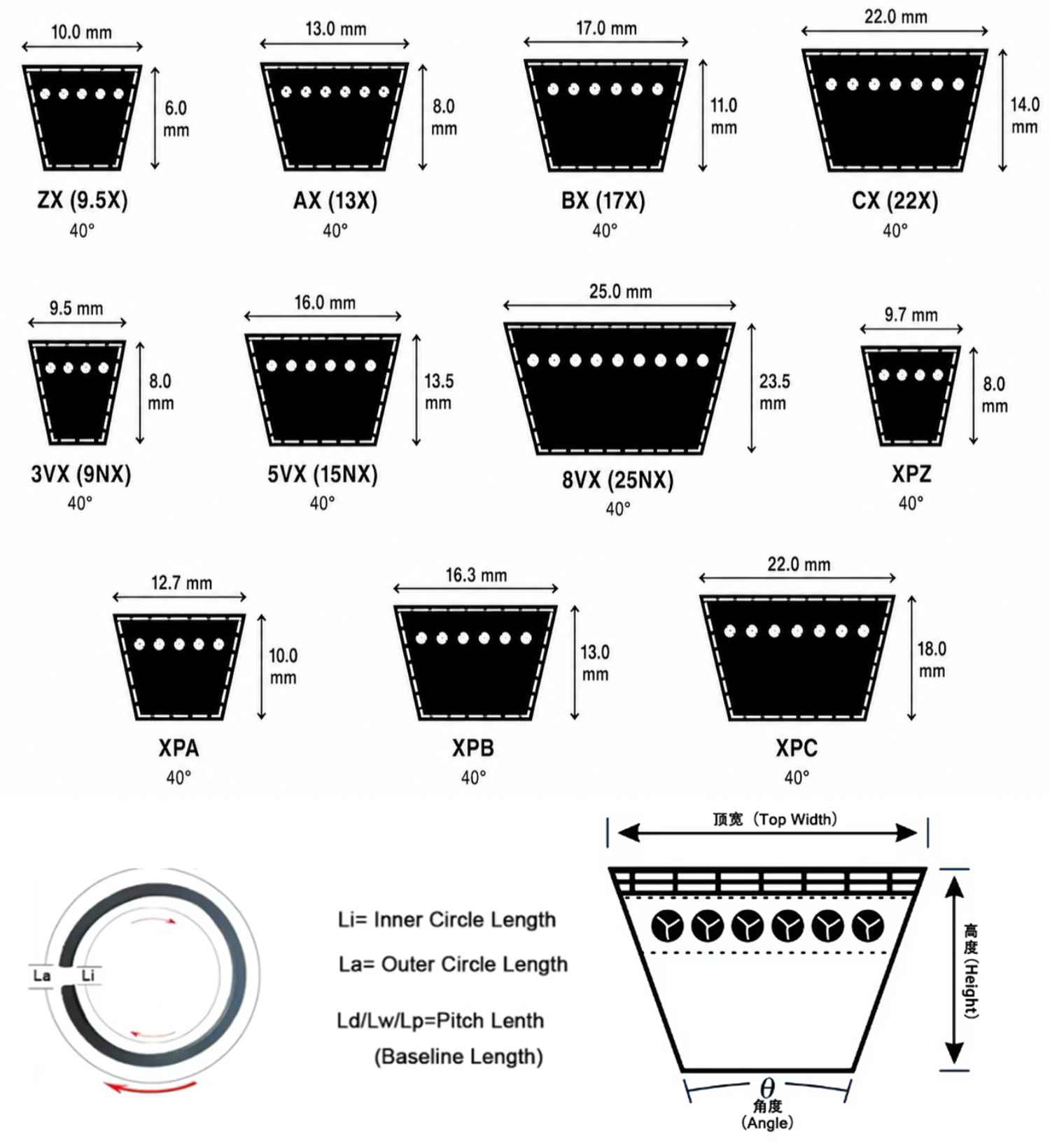
. Determine whether the drive uses a classical cogged section (ZX, AX, BX, CX), an imperial narrow wedge section (3VX, 5VX, 8VX), or a metric narrow wedge section (XPZ, XPA, XPB, XPC). If the marking is worn, measure the top width and belt height.
Confirm the length reference
. AX, BX and CX belts are often identified by inside length, while 3VX / 5VX / 8VX products are commonly specified by outside length. XPZ / XPA / XPB / XPC are normally specified using a metric datum-length system. Always confirm Li, La, Ld or Le before replacement.
Match the pulley groove
. The belt section must fit the pulley groove correctly. A belt that sits too deep or rides too high can cause slip, vibration, heat build-up and premature wear.
Check operating conditions
. Confirm motor power, speed, pulley diameters, center distance, working temperature, exposure to oil, ozone, dust or moisture, and whether antistatic performance is required. Select CR, EPDM or another approved compound accordingly.
For multiple-belt drives, use matched belts. Belts should use the same section and length basis and should be supplied as a matched set or with controlled length tolerance to improve load sharing. For accurate quotation and selection, provide the belt profile, length and length reference, quantity, pulley diameter, center distance, motor power, rotational speed, application, working temperature and any requirements for heat resistance, oil resistance, antistatic performance, marking or private-label packaging.
| Quick Selection Checklist | ||
|
|
|
| Belt profile | ZX, AX, BX, CX, 3VX, 5VX, 8VX, XPZ, XPA, XPB, XPC or approved OEM profile | |
| Belt length | Li, La, Ld, Le or customized approved length | |
| Rubber compound | CR, EPDM or application-specific compound | |
| Tensile member | Polyester cord, aramid cord or approved customized tensile member | |
| Application | Pump, compressor, blower, HVAC, agricultural machinery, auxiliary vehicle drive or industrial transmission | |
| Custom requirements | Matched set, brand logo, printing, private label, barcode, packaging, special size or OEM specification | |
Construction
|
|
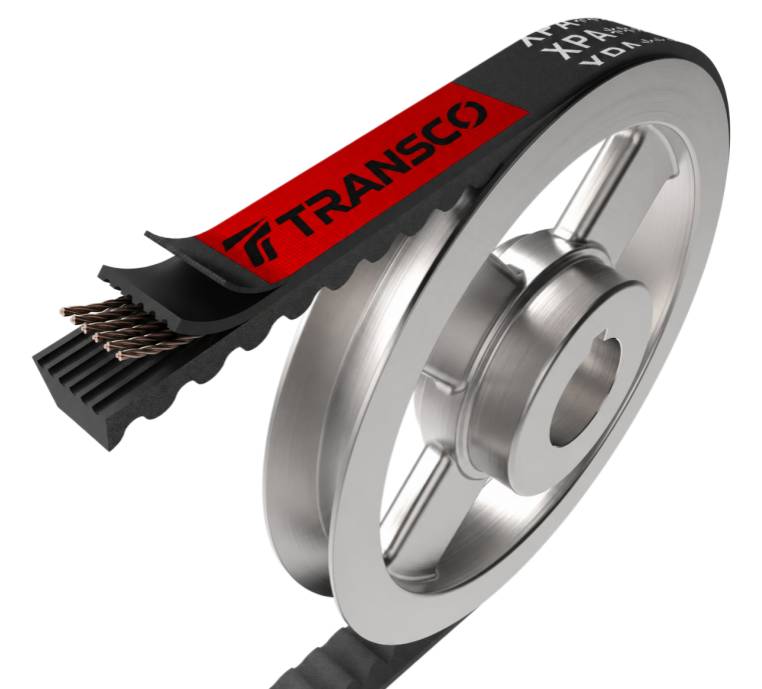
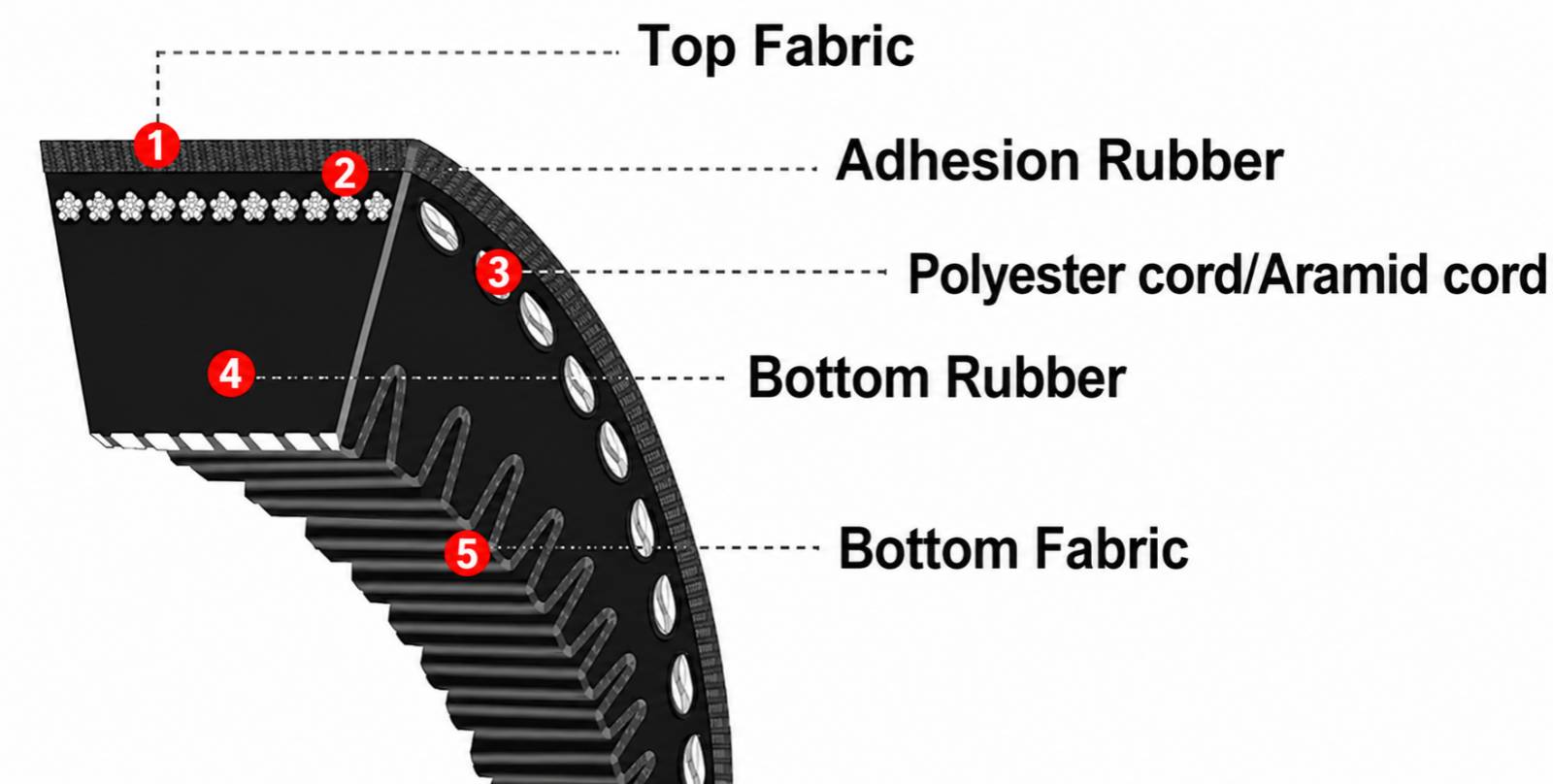
The raw edge cogged V-belt structure consists of a protective top layer, adhesion rubber, tensile cords, a reinforced compression rubber section and the cogged bottom layer. The raw sidewalls provide direct pulley contact, while the molded cogs improve flexibility and reduce bending resistance during repeated pulley cycles.
Top Fabric / Backing Layer : Protects the belt back against abrasion and external contact and helps maintain belt shape during operation. Adhesion Rubber : Bonds the tensile member to the rubber body and supports stable load transfer while helping resist internal separation. Polyester Cord / Aramid Cord : Polyester cord is suitable for general industrial drives where dimensional stability and fatigue resistance are required. Aramid cord is available for applications requiring lower elongation and higher tensile capacity. Compression Rubber : Forms the main load-bearing compression zone and supports the cogged profile. Compound selection can be adjusted for heat, oil, ozone, abrasion and flex-fatigue requirements. Cogged Bottom Layer : The molded notch geometry increases flexibility around smaller pulleys and reduces compression stress during bending. Reinforcing fabric can be used on the cogged surface depending on the belt construction. |
Model Specifications
|
|||||||
| Profile | Top Width (mm) | Height (mm) | Angle (°) | Length Range (inch) | Length Range (mm) | Length Conversion | Length Reference |
|---|---|---|---|---|---|---|---|
| ZX (9.5X) | 10.0 | 6.0 | 40 | 20"–100" | 508–2540 | Li = Ld - 22 | Li |
| AX (13X) | 13.0 | 8.0 | 40 | 20"–200" | 508–5080 | Li = Ld - 30 | Li |
| BX (17X) | 17.0 | 11.0 | 40 | 20"–200" | 508–5080 | Li = Ld - 40 | Li |
| CX (22X) | 22.0 | 14.0 | 40 | 30"–200" | 762–5080 | Li = Ld - 58 | Li |
| 3VX (9NX) | 9.5 | 8.0 | 40 | 20"–200" | 508–5080 | La = Li + 50 | La |
| 5VX (15NX) | 16.0 | 13.5 | 40 | 30"–200" | 762–5080 | La = Li + 85 | La |
| 8VX (25NX) | 25.0 | 23.5 | 40 | 100"–200" | 2540–5080 | La = Li + 140 | La |
| XPZ | 9.7 | 8.0 | 40 | 20"–200" | 508–5080 | La = Li + 50 | La |
| XPA | 12.7 | 10.0 | 40 | 20"–200" | 508–5080 | La = Li + 63 | La |
| XPB | 16.3 | 13.0 | 40 | 30"–200" | 762–5080 | La = Li + 82 | La |
| XPC | 22.0 | 18.0 | 40 | 30"–200" | 762–5080 | La = Li + 113 | La |
Applications
|
|
|
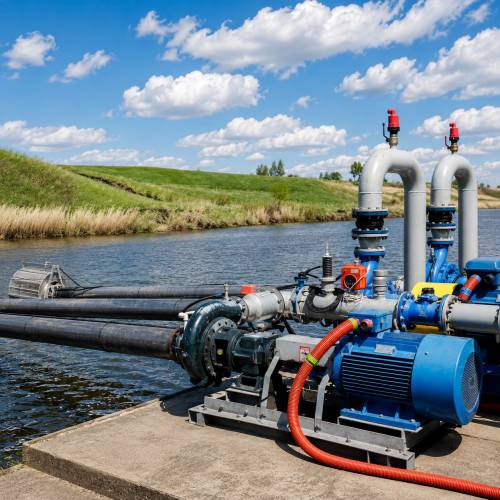
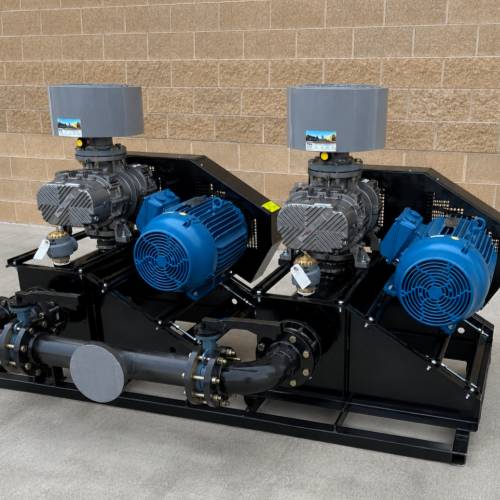
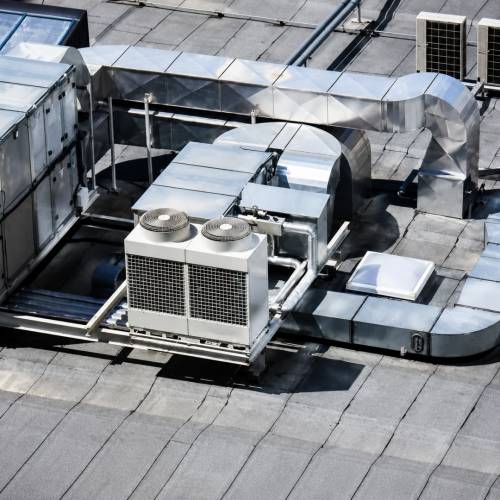
| P umps & Water Treatment Equipment | Air Compressors & Blowers | HVAC & Cooling Systems |
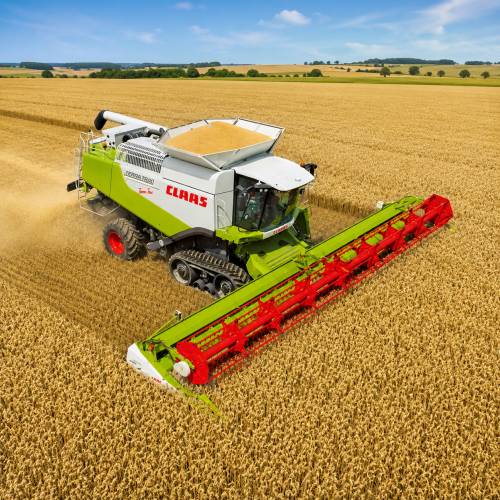
| Used in water pumps, centrifugal pumps, irrigation pumps and water-treatment equipment where compact pulley drives and continuous power transmission are required. | Suitable for compressor, blower and ventilation drives requiring stable pulley grip, repeated flexing and reliable power transmission. | Commonly used in HVAC fans, cooling-tower fans, exhaust fans and air-handling equipment, particularly in compact or higher-speed fan drives. |
|
|

|
|
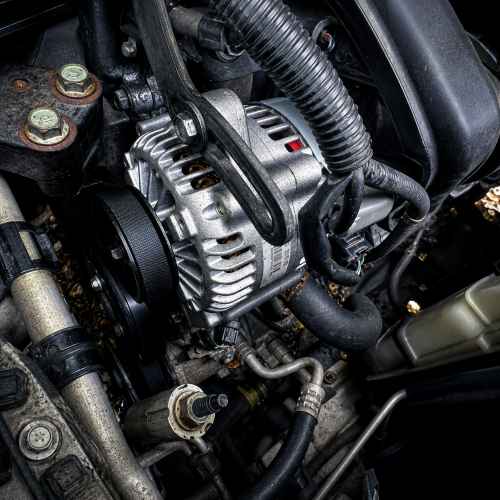
Automotive & Commercial Vehicle Drives |
Agricultural & Construction Machinery | Compact Industrial Machinery |
| Selected profiles can be used in auxiliary drive systems such as cooling fans, water pumps and air-conditioning compressors where the specified pulley system and operating conditions are compatible. | Used in tractors, harvesters, loaders and other off-highway machinery for pump, fan and auxiliary drive systems exposed to repeated load changes and demanding environments. | Suitable for machine tools, packaging equipment, textile machinery, woodworking equipment and other industrial drives with limited space, smaller pulleys or frequent start-stop operation. |
Packing and Shipping
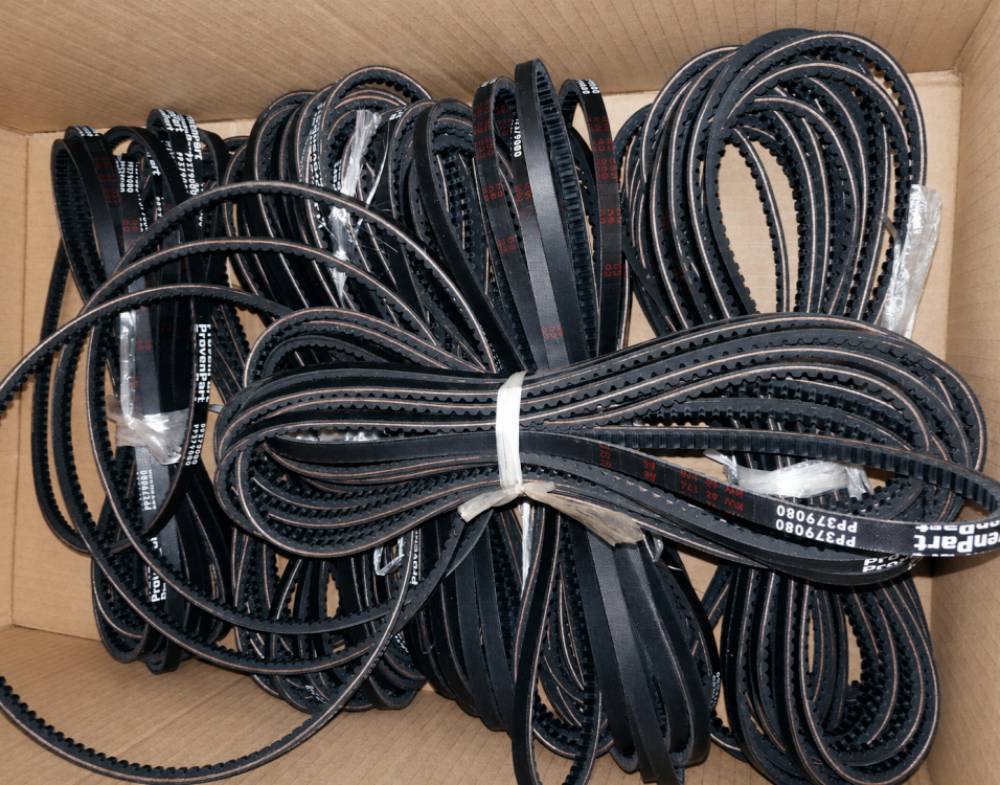
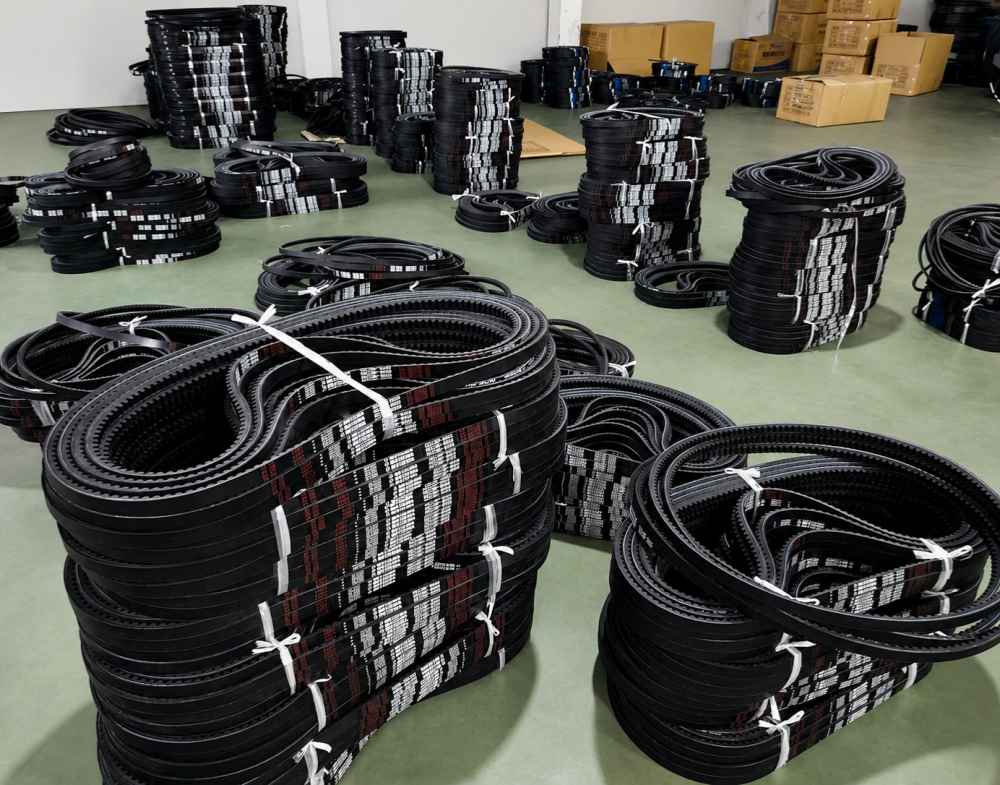
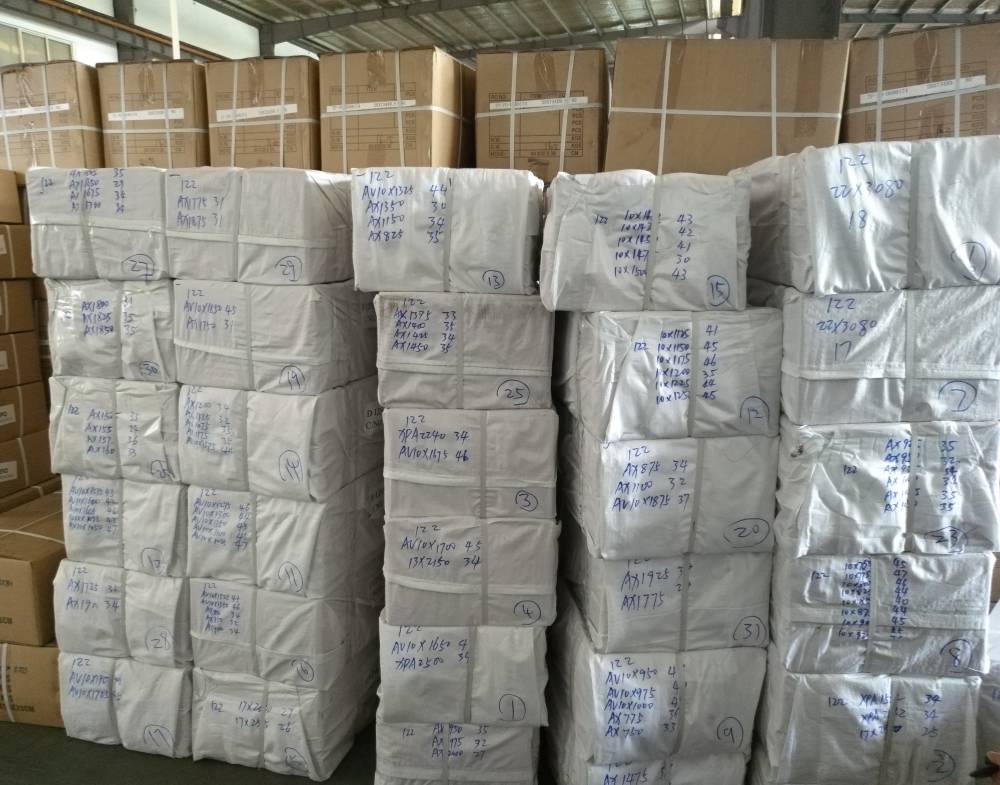
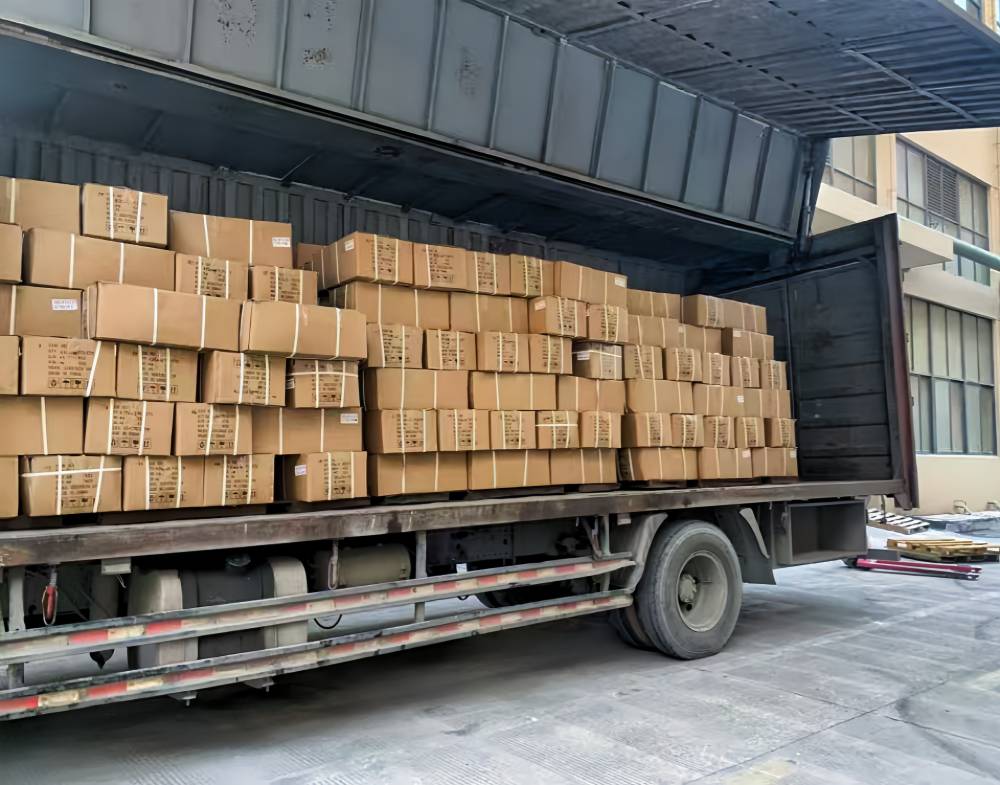
| Raw edge cogged V-belts can be supplied in individual wrapping, cartons, pallets or customized export packaging according to order quantity and shipping method. Private-label packaging, belt printing, barcode labels and carton marking can be arranged for distributor and OEM orders. | |
|
|
|
|