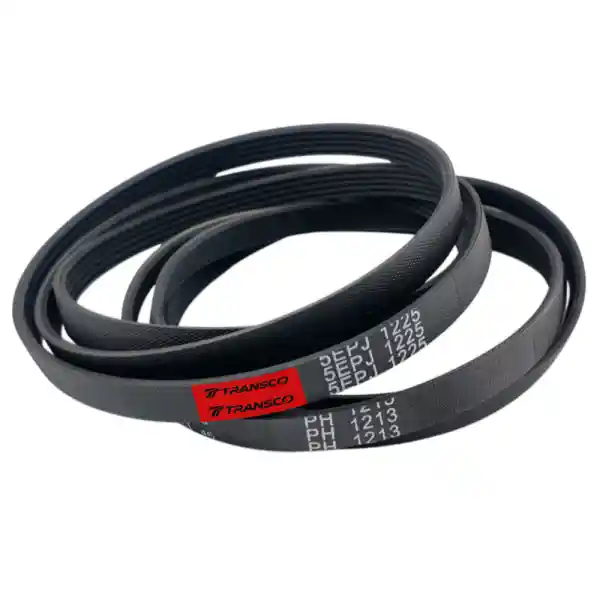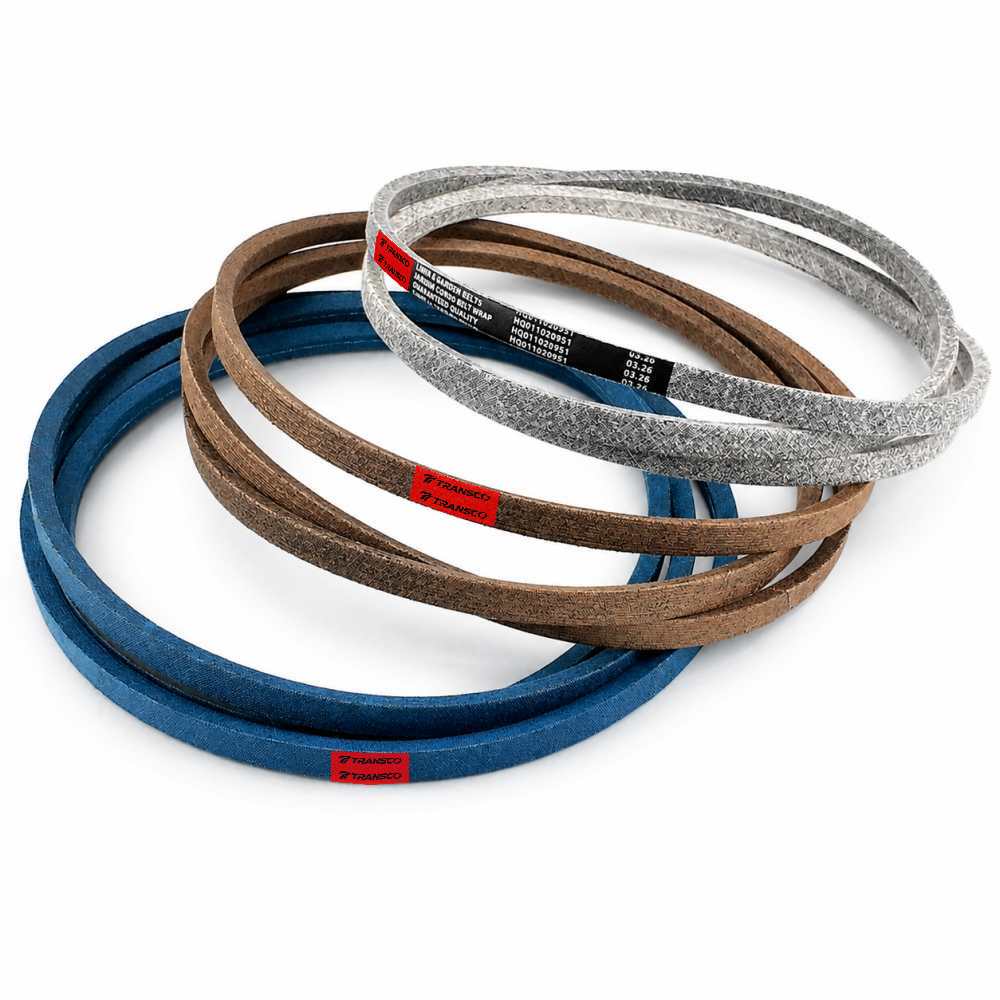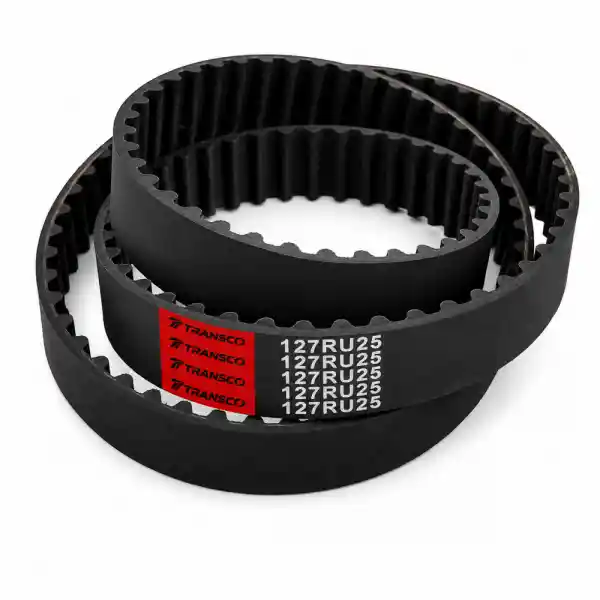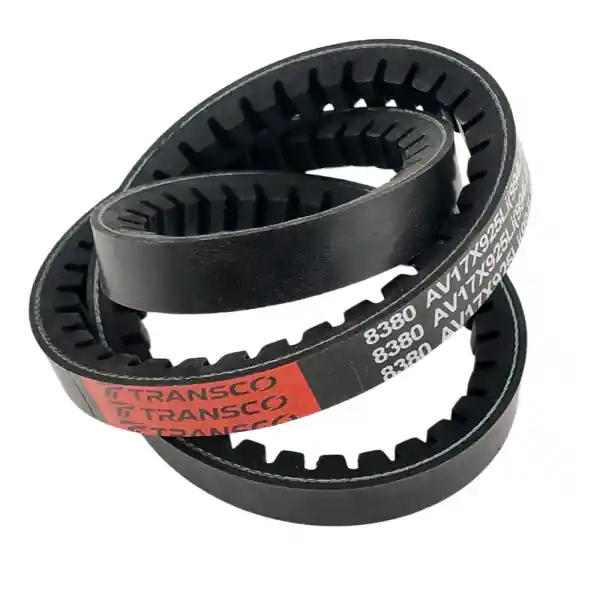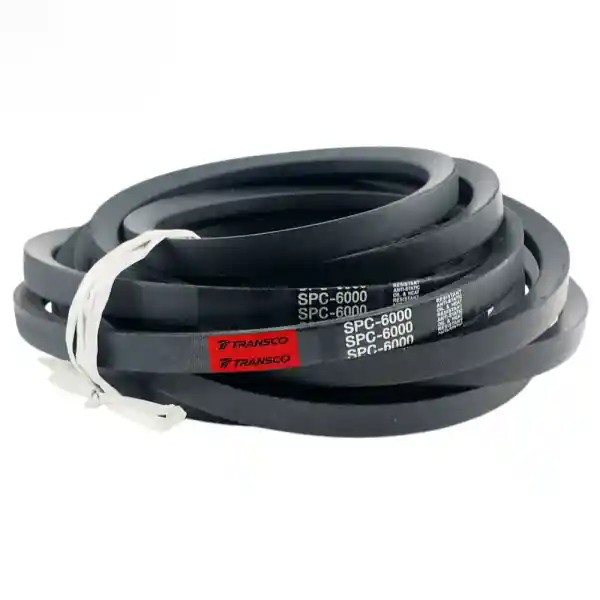
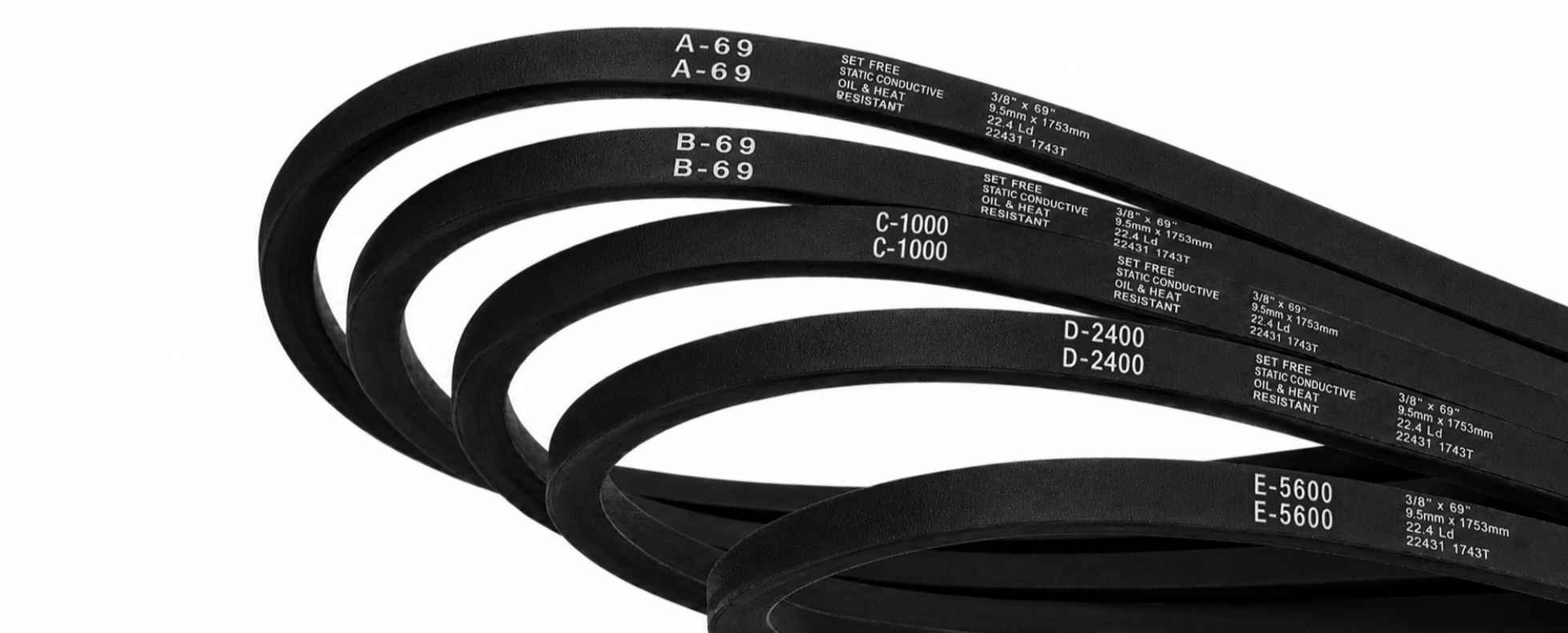
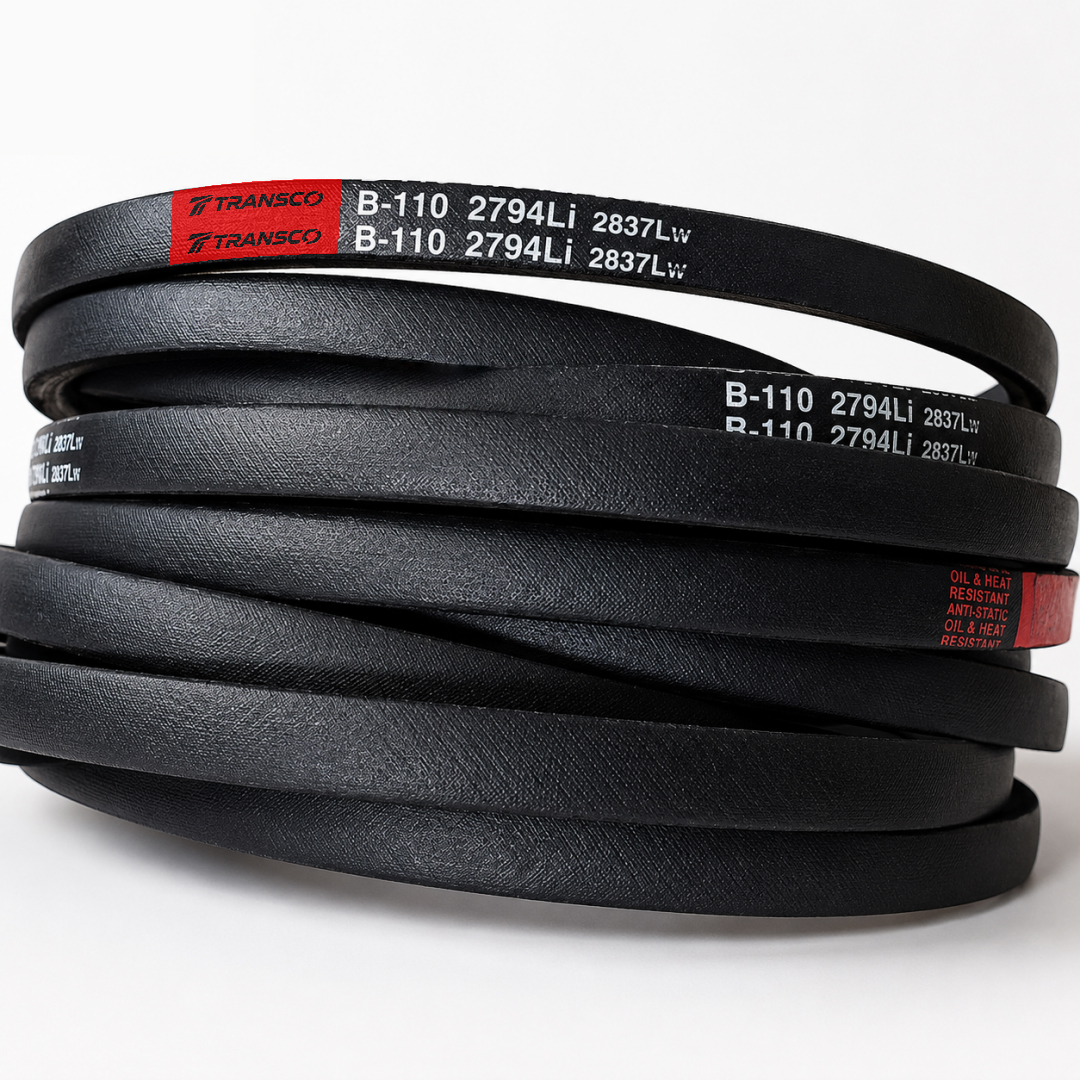
Classical Wrapped V-Belt
Available in standard classical sections Z, A, B, C, D and E, as well as selected heavy-duty and special profiles. Belt length, rubber compound, marking, matched-set supply and packaging can be customized for replacement and OEM requirements.
Key Features:
Wrapped fabric cover for abrasion protection and consistent pulley contact
Low-elongation tensile cords for dimensional stability and load transmission
Broad section and length range for standard industrial pulley systems
Optional heat-resistant, oil-resistant, antistatic and matched-set versions
What is a Classical Wrapped V-Belt?
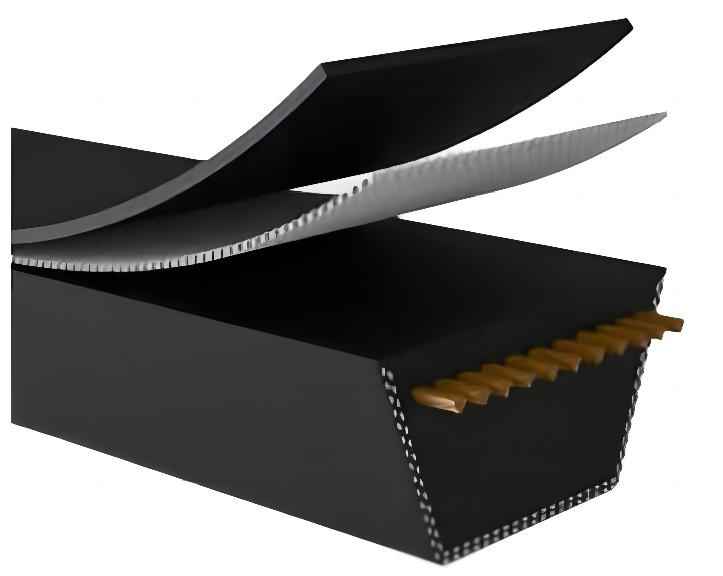
A Classical Wrapped V-Belt is an endless friction-drive belt with a trapezoidal cross-section and a textile-covered outer surface. Power is transmitted through the wedging action and friction generated between the belt sidewalls and the matching V-groove pulley.
The belt normally consists of a wrapped fabric cover, cushion rubber, tensile cords and compression rubber. This construction combines tensile strength, dimensional stability, flexibility and surface protection, making Classical Wrapped V-Belts suitable for conventional industrial, agricultural and mechanical power transmission systems.
Classical V-belts use traditional profiles such as Z, A, B, C, D and E. They are different from narrow V-belts such as SPZ, SPA, SPB, SPC, 3V, 5V and 8V. Belt section, length designation, pulley groove, transmitted power, speed and service conditions must all be confirmed before replacement.
Why choose TRANSCO Classical Wrapped V-Belt?
TRANSCO Classical Wrapped V-Belts combine conventional pulley compatibility with a protected wrapped construction, controlled dimensions and application-specific material options. They are designed for replacement, maintenance and original equipment power transmission requirements.
Stable Groove Engagement and Torque Transmission:
The trapezoidal belt profile generates wedging contact between both belt sidewalls and the V-groove pulley. When the correct section, pulley groove and installation tension are used, this contact supports consistent torque transfer and helps control slip without requiring a toothed pulley system.
Low-Elongation Tensile Member:
The internal tensile cords carry the operating load and help maintain the belt’s effective length under tension. Controlled cord placement and strong rubber-to-cord adhesion reduce uneven stretching, helping the drive retain more consistent tension and load distribution during service.
Abrasion-Resistant Wrapped Surface:
The textile fabric cover protects the rubber body from direct rubbing, dust and external surface damage. Its continuous wrapped surface also helps the belt move smoothly through conventional pulley grooves, making it suitable for dusty workshops, agricultural machinery and general industrial drives.
Flex-Fatigue and Compression Support:
The cushion and compression rubber layers deform repeatedly as the belt bends around the drive and driven pulleys. A properly selected rubber compound supports repeated flexing, absorbs operating vibration and helps the belt maintain its cross-sectional shape under compression.
Controlled Sections and Replacement Dimensions:
TRANSCO supplies multiple classical belt sections and broad length ranges for existing industrial pulley systems. Top width, belt height, datum length and inside length are controlled according to the ordered specification, reducing the risk of incorrect groove fit or mismatched replacement length.
Application-Specific Compound and Supply Options:
Standard belts are available for general industrial operation, while heat-resistant, oil-resistant and antistatic versions can be produced according to confirmed working conditions. TRANSCO also supports matched-set supply, special lengths, product marking, private labels and customized export packaging.
Technical Standards
①
General Product Requirements
: TRANSCO Classical Wrapped V-Belts are manufactured and inspected in accordance with GB/T 1171-2017, the Chinese national standard for classical V-belts used in general power transmission.
②
Dimensions and Datum Lengths
: Dimensions, datum lengths and length tolerances for applicable standardized sections are controlled according to ISO 4184:2025 and GB/T 11544-2012. ISO 4184:2025 applies to classical sections Y, Z, A, B, C, D and E.
③
Fatigue Performance
: Classical V-belt fatigue performance can be verified using the non-loading fatigue test method specified in GB/T 15328-2019.
④
Antistatic Performance
: Antistatic versions can be tested according to ISO 1813:2025 or GB/T 10715-2021, which specify electrical conductivity requirements and test methods for antistatic V-belts.
⑤
Heat-Ageing and Liquid Resistance
: Rubber compounds can be evaluated for accelerated heat ageing according to ISO 188:2023 or GB/T 3512-2014, and for the effect of oils or other liquids according to ISO 1817:2024 or GB/T 1690-2010.
How to choose Classical V-Belt?
A Classical Wrapped V-Belt should not be selected only by visual appearance or nominal length. The section, length system, pulley geometry and operating conditions must be checked together.
Identify the Belt Section:
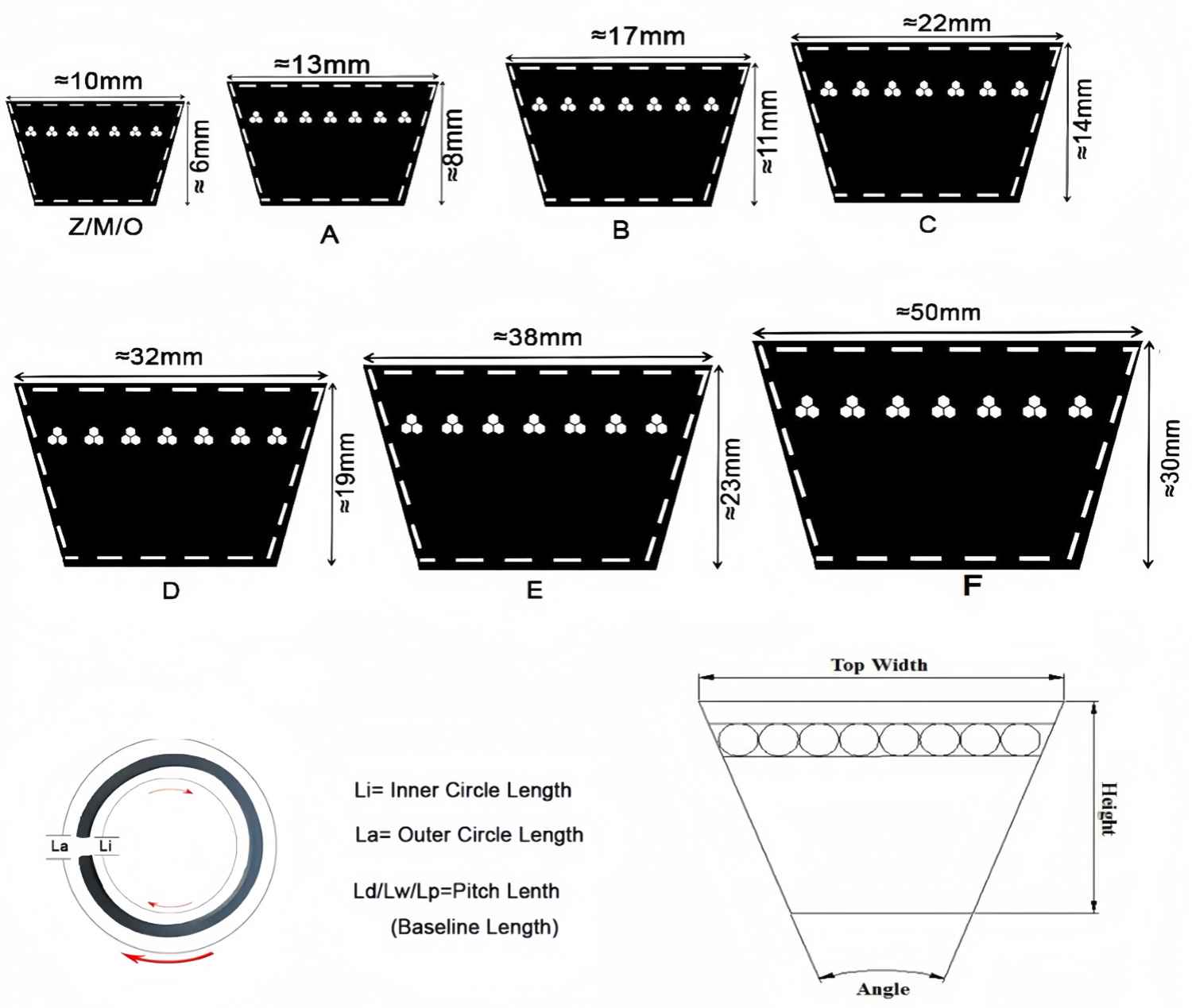
Check the printed belt code or measure the top width and belt height. Compare the measurements with the specification table to identify the correct Z, A, B, C, D, E or special section.
Confirm the Length System:
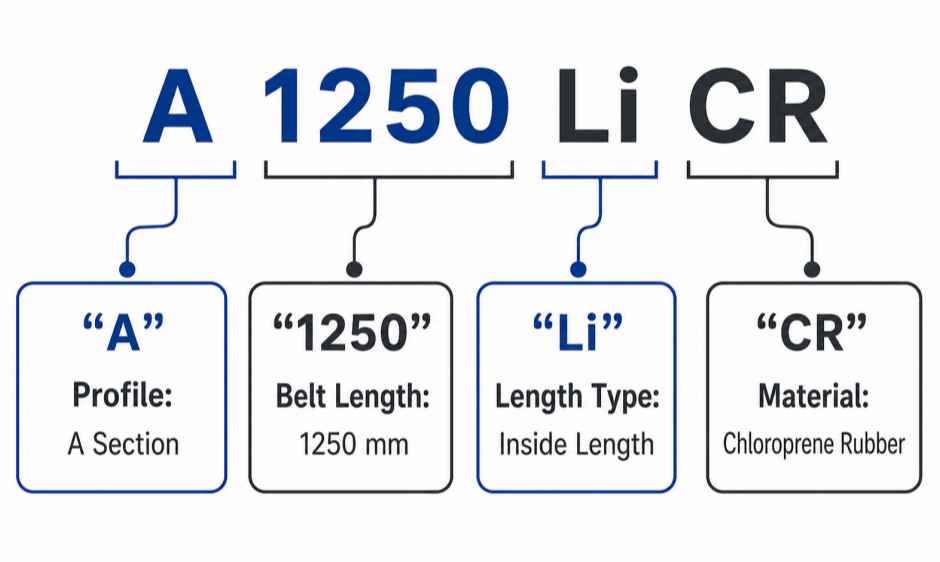
Determine whether the existing marking represents inside length, datum length, pitch length or outside length. Always provide the length symbol together with the numerical value, such as Li or Ld.
Check the Pulley Groove:
The belt sidewalls should contact the pulley groove correctly. A belt that sits too deeply, runs above the groove or contacts the groove bottom may slip, overheat or wear prematurely.
Confirm the Drive Conditions:
Provide the motor power, pulley speed, pulley diameters, center distance, number of belts and operating hours when available. These factors affect the required section, belt quantity and service factor.
Evaluate the Working Environment:
Confirm whether the belt will operate around oil, high temperatures, dust, moisture, outdoor weather or static-sensitive equipment. Special compounds must be selected according to the actual exposure rather than by application name alone.
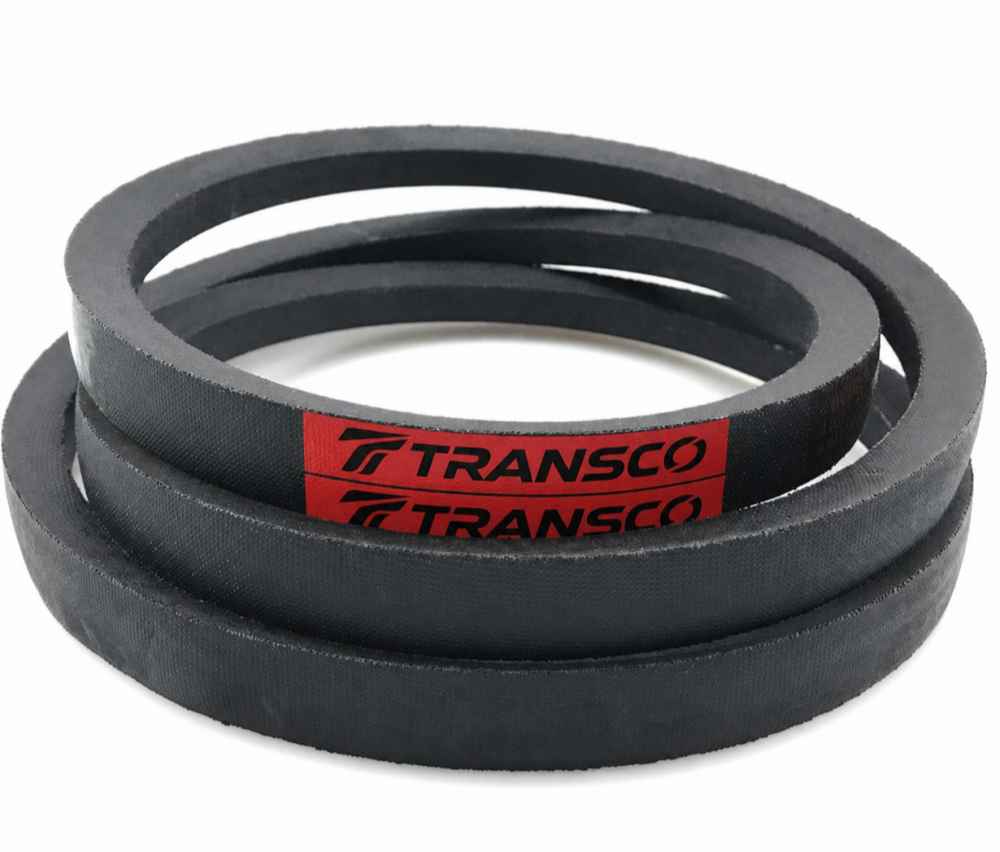
| Quick Selection Checklist | ||
|
|
|
| Belt section | Z, A, B, C, D, E, F or confirmed special profile | |
| Belt dimensions | Top width and height if the section is unknown | |
| Belt length | Numerical value plus Li, Ld, La or other length reference | |
| Existing marking | Clear photo or complete printed model | |
| Quantity | Required quantity and annual demand if available | |
| Equipment | Pump, fan, compressor, agricultural machine or other drive | |
| Drive data | Motor power, speed, pulley diameter and center distance if available | |
| Working conditions | Temperature, oil, dust, moisture, outdoor exposure or static requirement | |
| Supply requirements | Matched set, logo, private label, packaging or OEM specification | |
Construction
|
|
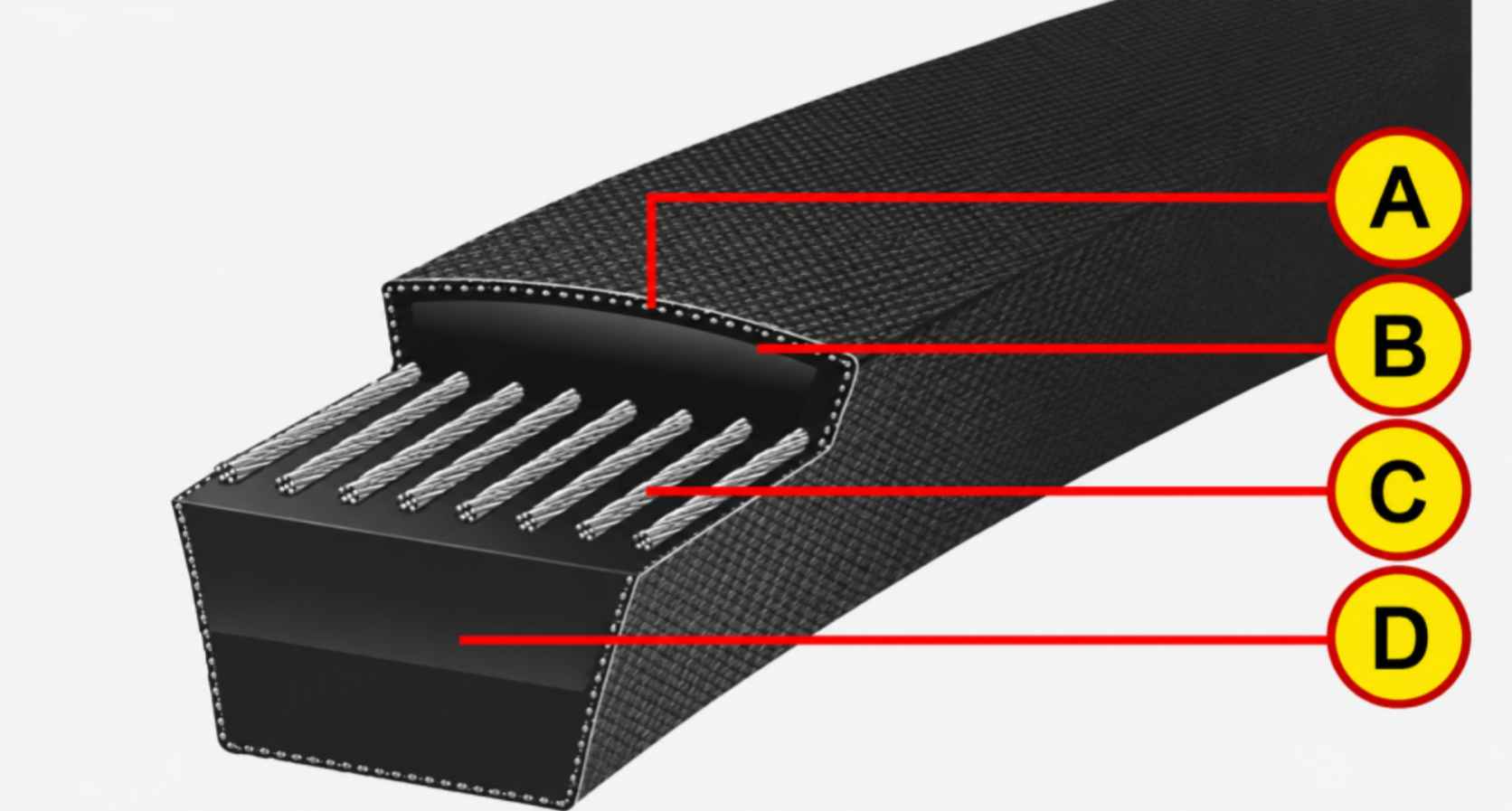
A Classical Wrapped V-Belt uses a multi-layer construction in which each component performs a different mechanical function. The structure is designed to withstand tensile loading, repeated bending, compression and continuous contact with the pulley groove.
A. Wrapped Fabric Cover : The textile cover surrounds the belt body and protects the rubber layers against surface abrasion, dust and external mechanical damage. It also provides a consistent contact surface as the belt enters and leaves the pulley groove. B. Cushion Rubber : The cushion rubber bonds and supports the tensile cords while helping distribute stress through the belt body. It absorbs vibration and reduces concentrated stress around the tensile member during repeated flexing. C. Tensile Cord: The tensile cord carries the main operating load of the belt. Properly arranged high-strength cords help control belt elongation, maintain dimensional stability and support consistent load transmission during continuous operation. D. Compression Rubber: The compression rubber forms the lower load-bearing body of the belt. It withstands repeated compression and bending as the belt travels around the pulleys while maintaining the shape required for stable groove contact. |
Model Specifications
|
|||||||
| Section | Top Width(mm) | Pitch Width(mm) |
Height
|
Angle | Length Range (mm) | Length Conversion | Factory Marking |
|---|---|---|---|---|---|---|---|
| Z | 10 | 8.5 | 6 | 40° | 330-5000 | Li=Ld-22 | Li |
| A | 13 | 11 | 8 | 40° | 356-9000 | Li=Ld-30 | Li |
| B | 17 | 14 | 11 | 40° | 483-15500 | Li=Ld-40 | Li |
| C | 22 | 19 | 14 | 40° | 762-16000 | Li=Ld-58 | Li |
| D | 32 | 27 | 19 | 40° | 1524-16000 | Li=Ld-75 | Li |
| E | 38 | 32 | 23 | 40° | 2997-16500 | Li=Ld-80 | Li |
| F | 50 | 42.5 | 30 | 40° | 3800-16500 | Li=Ld-120 | Li |
Applications

|
|
|
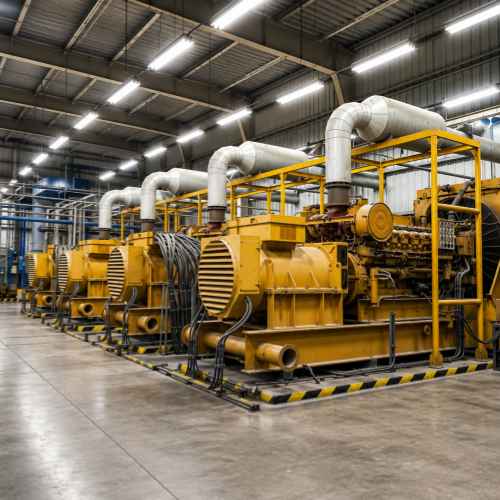
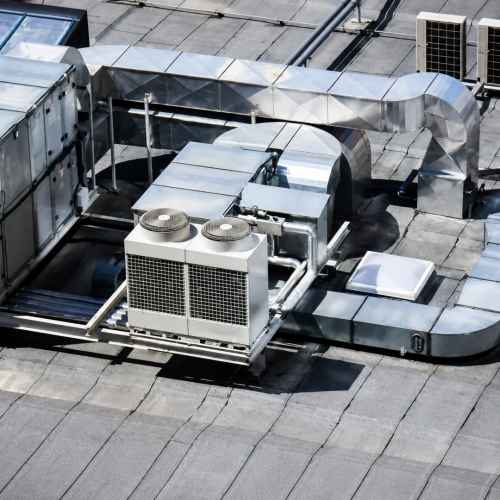
| Mining, Quarry and Construction Equipment | Compressors and Generators | Fans, Blowers and HVAC Systems |
| Used in crushers, screening machines, mills and auxiliary construction equipment with conventional V-pulley drives. The wrapped surface provides additional protection against dust and external abrasion in mechanically demanding environments. | Suitable for workshop air compressors, reciprocating compressors and generator auxiliary drives requiring economical friction transmission, convenient tension adjustment and readily identifiable replacement sections. | Applied in ventilation fans, cooling towers, blowers and air-handling equipment. Classical sections provide a practical solution for medium-speed drives with standard pulley arrangements and scheduled maintenance access. |

|
|

|
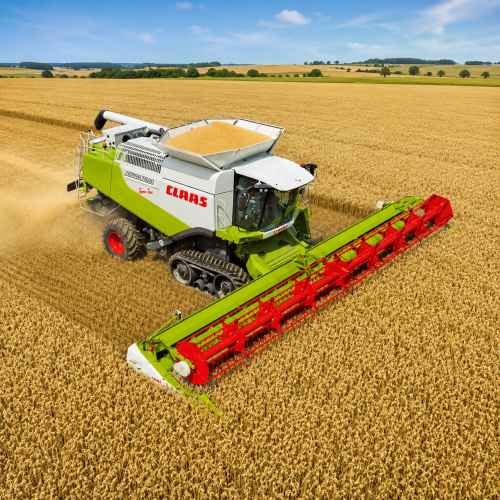
| General Industrial Machinery | Agricultural Machinery | Pumps and Irrigation Systems |
| Used in machine tools, mixers, drilling machines, woodworking equipment, textile machinery and packaging systems where conventional motors transmit power through single-belt or multi-belt pulley drives. | Suitable for threshers, harvesters, tractors, irrigation equipment and other agricultural machines. Wrapped belts are commonly selected where the drive is exposed to dust, outdoor operation and regular field replacement. |
Used to transfer power from motors or engines to centrifugal pumps, water pumps and irrigation pump shafts. Multiple sections and lengths allow the belt to be matched to different pulley diameters and drive layouts.
|
Packing, Shipping and and OEM Supply
|
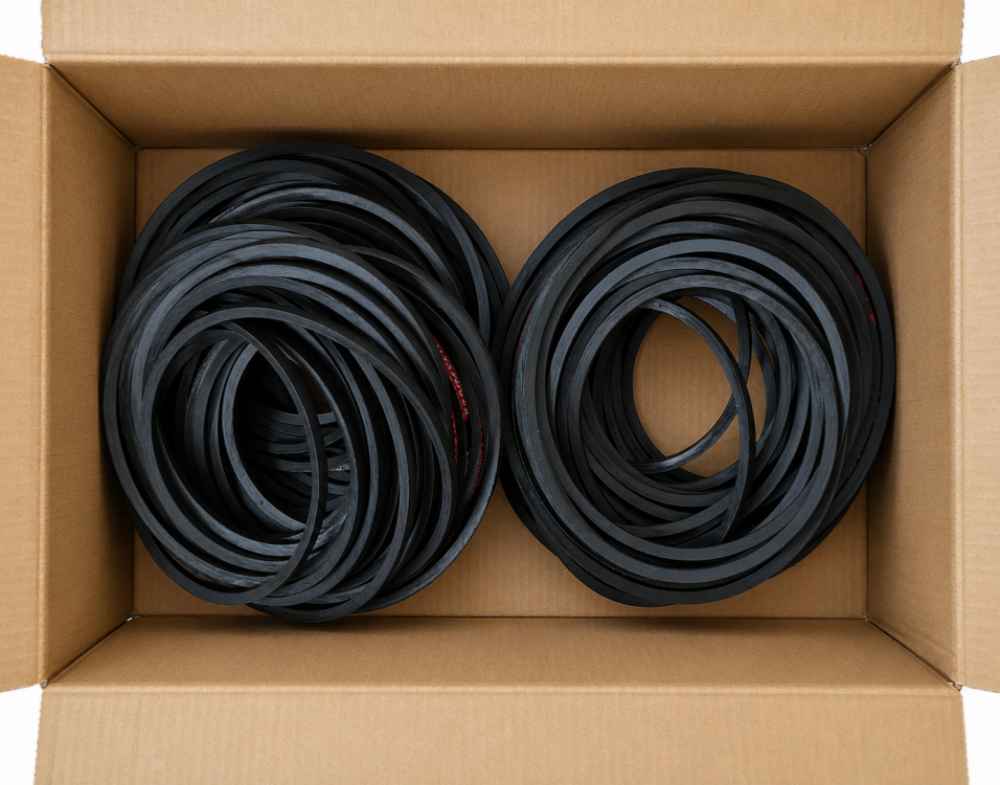
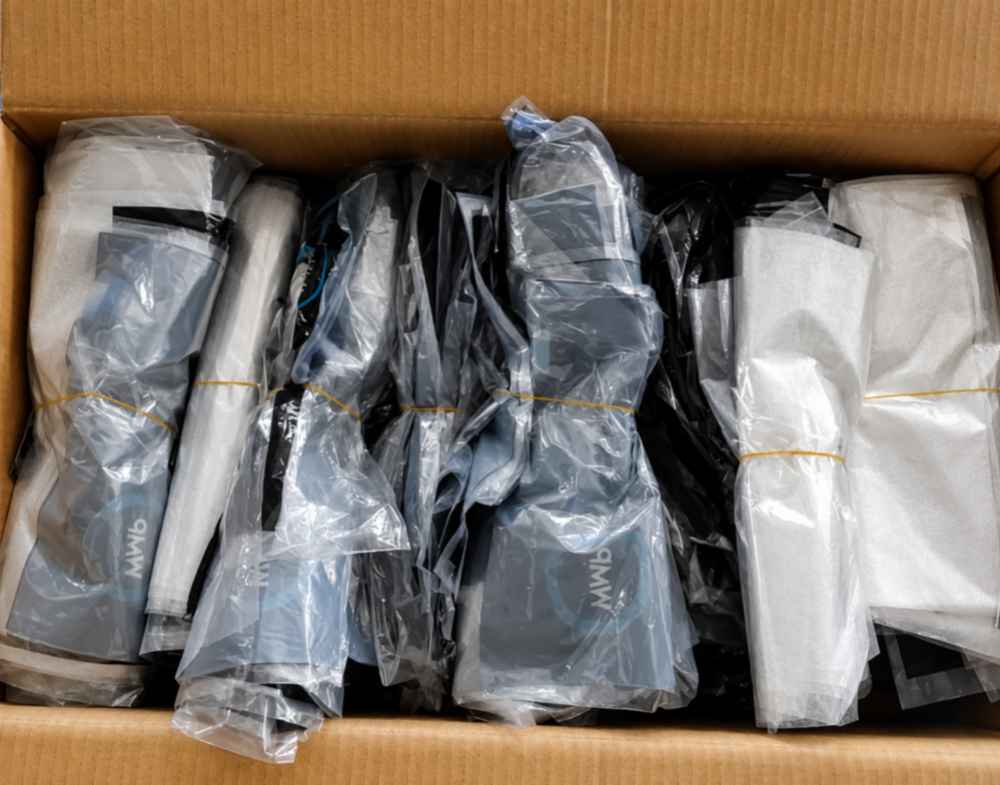
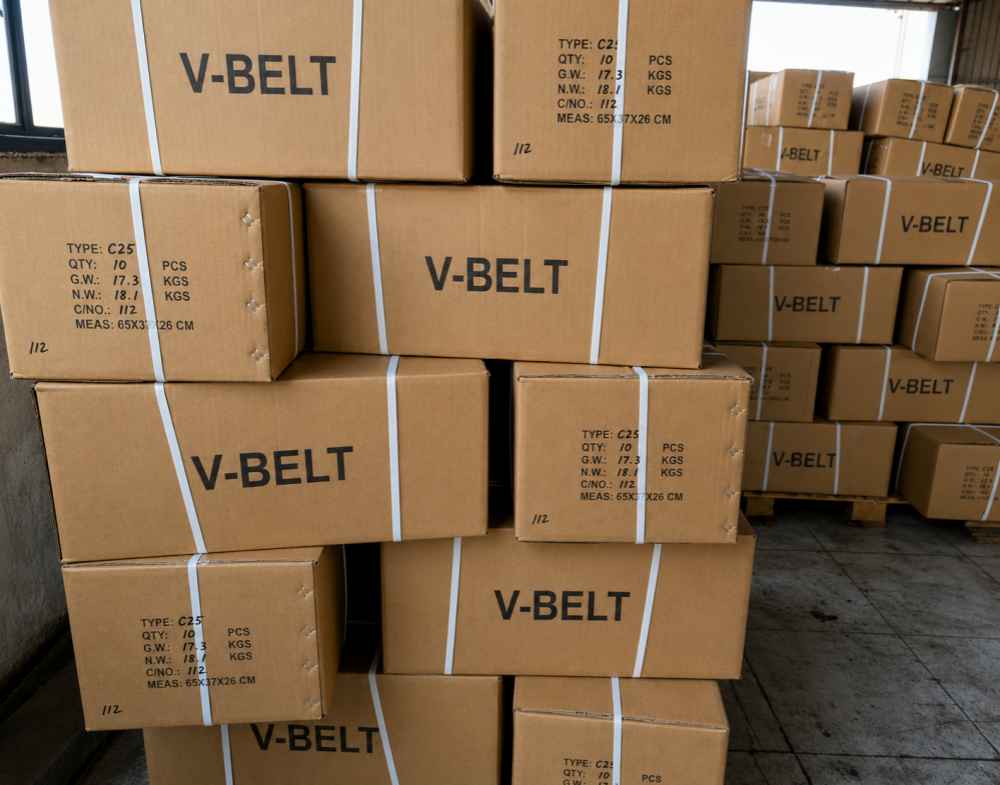
TRANSCO Classical Wrapped V-Belts can be supplied with packaging and marking options for industrial distributors, equipment manufacturers and replacement belt buyers.
Packaging method, belt marking and carton information are confirmed according to the purchase order before mass production. |
|
|
|
|

|