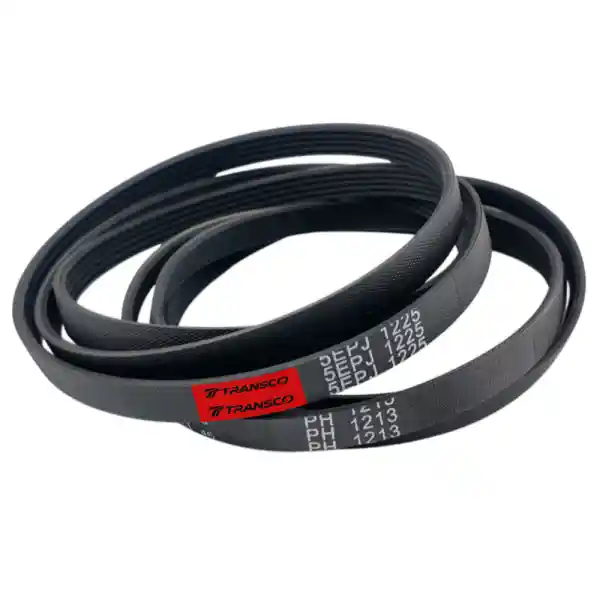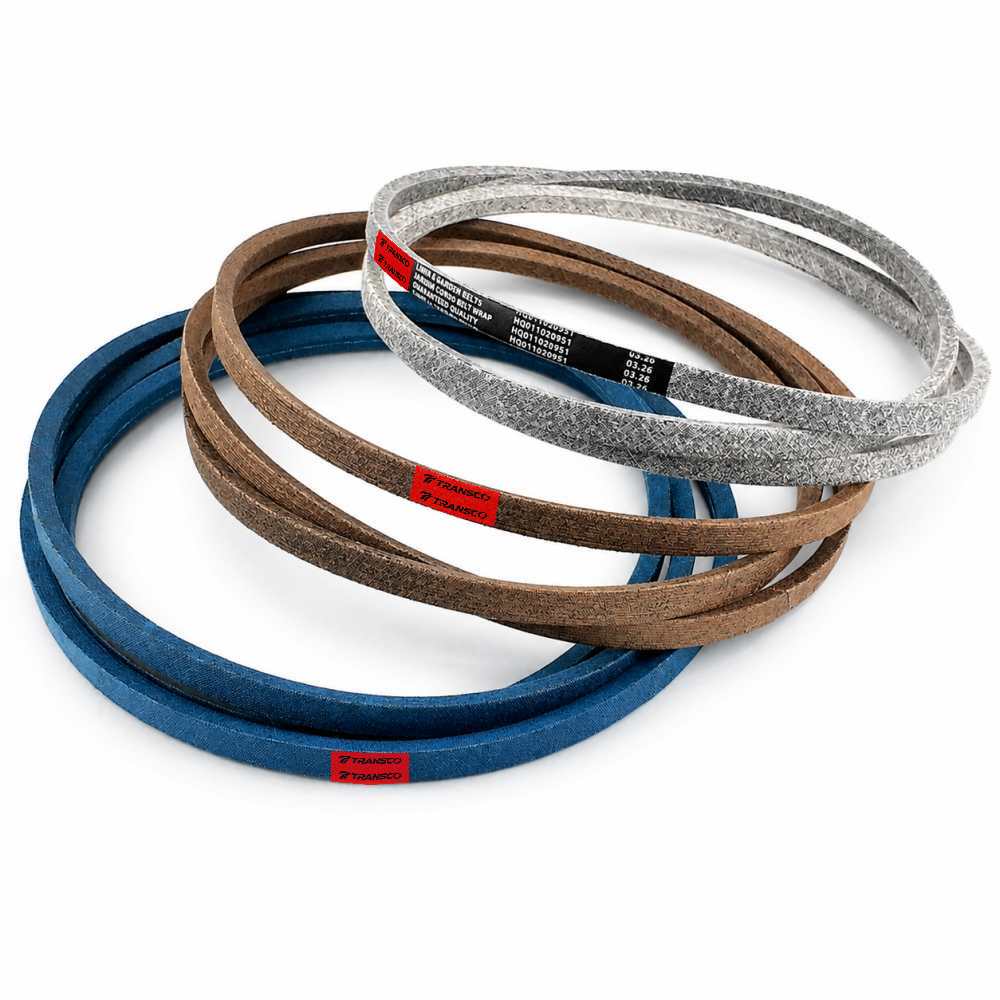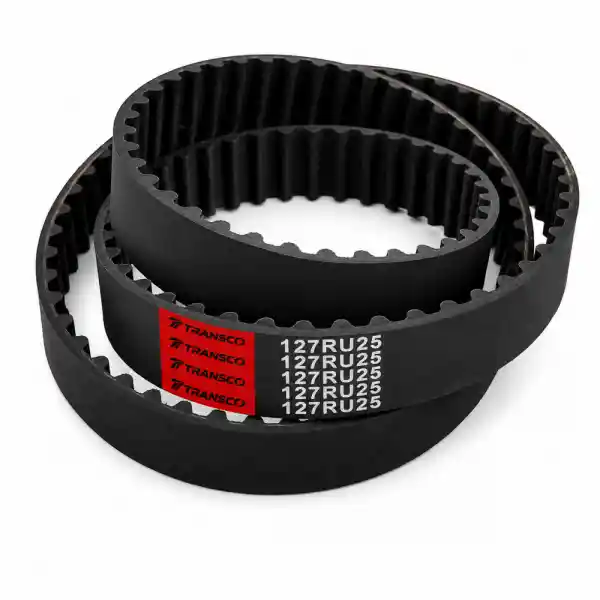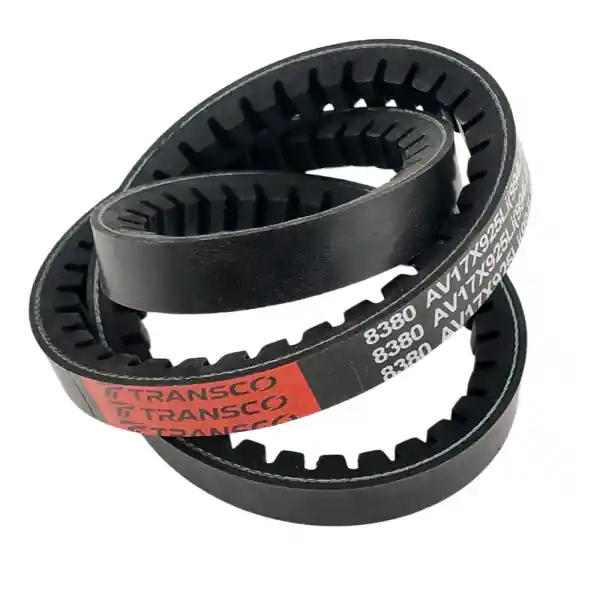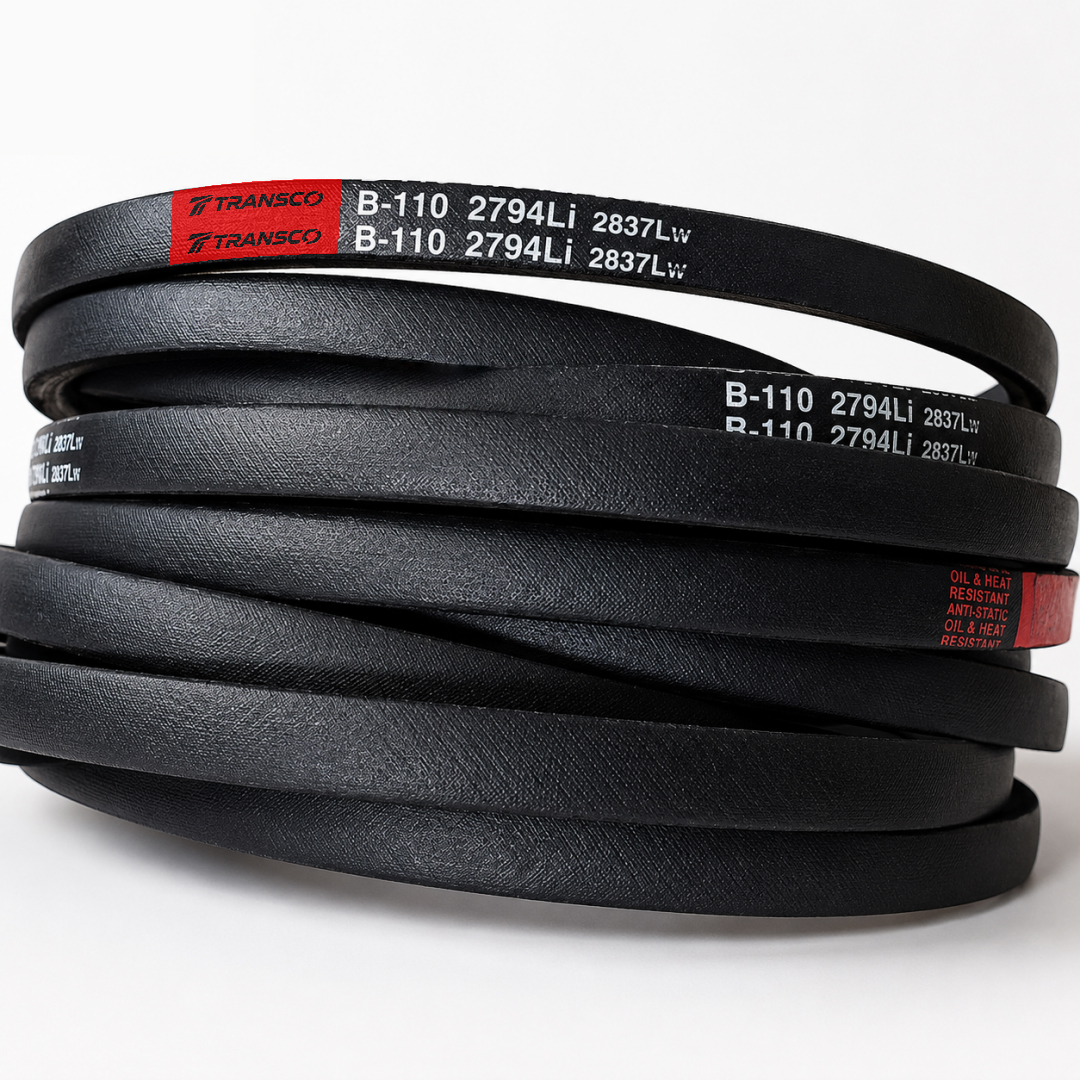
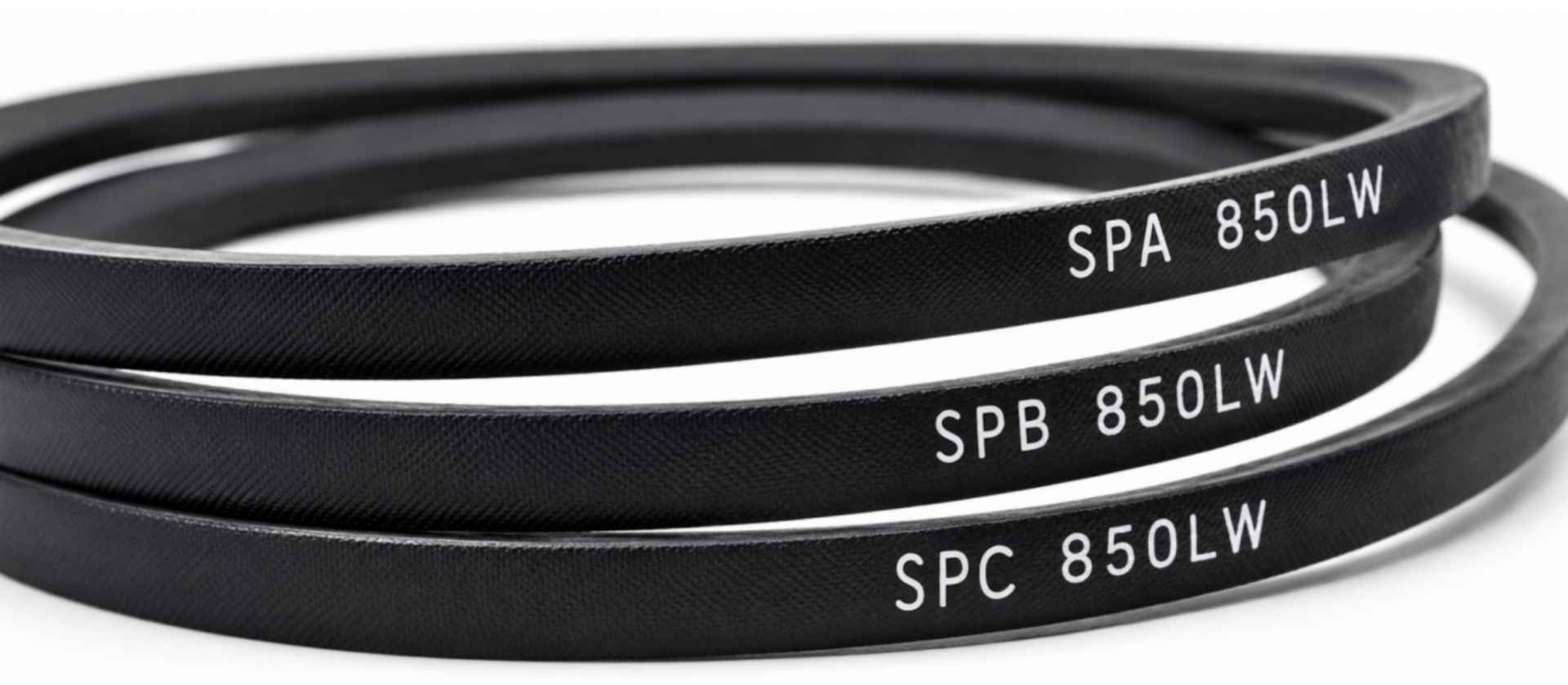
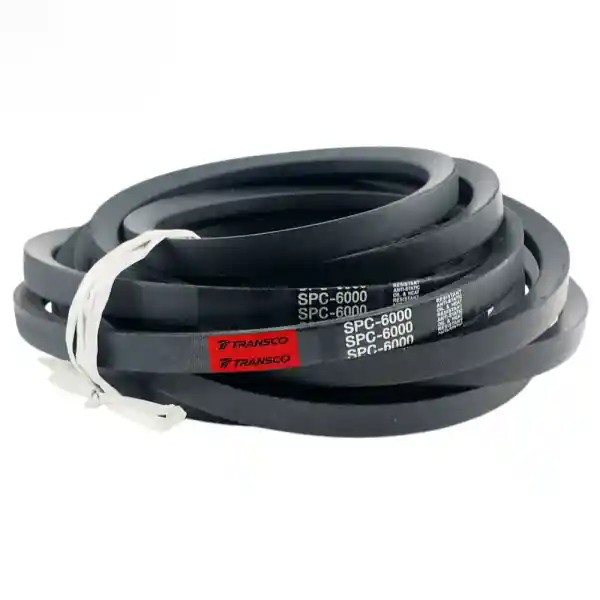
Narrow V-Belt
Available in metric profiles SPZ, SPA, SPB and SPC, as well as American narrow sections 3V, 5V and 8V. Belt length, rubber compound, tensile cord, marking, matched-set supply and packaging can be customized for replacement, distribution and OEM requirements.
Key Features:
Narrow wedge profile for higher power capacity in compact drive systems
Wrapped fabric cover for abrasion protection and stable pulley engagement
Low-elongation tensile cords for controlled stretch and reliable load transmission
Complete SPZ, SPA, SPB, SPC, 3V, 5V and 8V profile range
Optional heat-resistant, oil-resistant, antistatic and matched-set versions
What is a Narrow V-Belt?
A narrow V-belt, also called a wedge belt or narrow-section V-belt, is a friction-drive power transmission belt with a narrower and deeper cross-section than a classical V-belt. Its angled sidewalls engage with matching pulley grooves and transmit power through sidewall friction and wedging action.
Compared with classical A, B and C section V-belts, narrow V-belts provide higher power capacity within a more compact drive layout. Their deeper cross-section also provides greater transverse stiffness, helping the belt maintain its shape under load when the correct pulley groove, tension and alignment are used.
TRANSCO supplies metric narrow V-belt profiles SPZ, SPA, SPB and SPC, as well as American-system profiles 3V, 5V and 8V. These wrapped narrow V-belts are used in compressors, pumps, fans, blowers, crushers, agricultural machinery, construction equipment and general industrial power transmission systems.
Why choose TRANSCO Narrow V-Belt?
Higher Power Capacity in Compact Drives:
The narrow and deep wedge section allows a narrow V-belt to carry higher power within a smaller drive envelope than a comparable classical V-belt arrangement. Depending on the drive calculation, this can reduce the number of belts required, pulley face width and overall transmission size while maintaining the required power capacity.
Stable Sidewall Traction in Matching Pulley Grooves:
Power is transmitted through the belt sidewalls rather than the bottom of the belt. The accurately formed wedge profile provides consistent flank contact with a compatible pulley groove, helping control slip, heat generation and uneven wear. Correct profile matching is essential because SP, 3V, 5V and 8V belts are not designed for classical A, B or C pulley grooves.
Reinforced Tensile Structure with Controlled Elongation:
The embedded tensile cord carries the main transmission load and helps control belt stretch during operation. Polyester cord is available for general industrial drives requiring dimensional stability and repeated flexing, while aramid cord can be selected for applications requiring higher tensile capacity or reduced elongation under demanding loads.
Wrapped Protection for Industrial Operating Conditions:
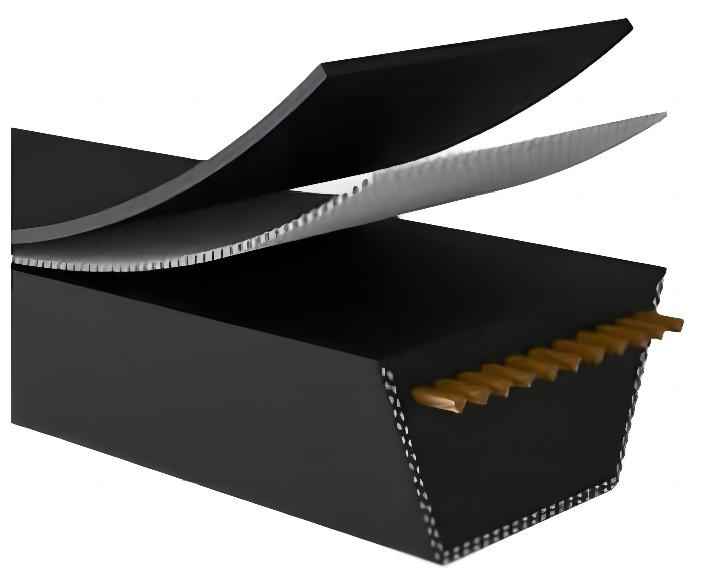
A rubber-impregnated fabric cover surrounds the belt body and protects it against external abrasion, dust and mechanical surface damage. The wrapped construction also provides controlled surface friction and supports stable movement through the pulley groove, making it suitable for compressors, pumps, fans, agricultural equipment and general industrial machinery.
Rubber Compounds Matched to the Working Environment:
The belt compound can be selected according to operating temperature, oil exposure, ozone, outdoor conditions and duty cycle. CR compounds are suitable for many general industrial drives, while EPDM and application-specific compounds can be supplied for defined heat-ageing, ozone-resistance, antistatic or limited oil-resistance requirements. Final performance is verified according to the selected compound and agreed test conditions.
Matched-Set Accuracy and OEM Supply Flexibility:
For multi-groove drives, TRANSCO narrow V-belts can be supplied as matched sets with controlled dimensional variation, helping multiple belts share the transmission load more evenly. Profile, length, tensile cord, compound, product marking, individual sleeve, carton design and private-label packaging can also be customized for distributors, equipment manufacturers and replacement projects.
Technical Standards
① TRANSCO narrow V-belts for general industrial drives are manufactured and inspected in accordance with GB/T 12730-2018.
② SPZ, SPA, SPB and SPC narrow V-belt profiles are dimensionally controlled according to ISO 4184:2025 and GB/T 11544-2012, including profile dimensions, datum-length identification and applicable length tolerances.
③ 3V, 5V and 8V profiles can be dimensionally verified according to the effective-length system specified in ISO 8419:2003 or according to agreed customer specifications.
④ Antistatic narrow V-belts can be tested according to ISO 1813:2025 or GB/T 10715-2021 when electrical conductivity is required for the application.
⑤ Heat ageing, liquid resistance and ozone-cracking resistance of specified rubber compounds can be evaluated according to ISO 188:2023, ISO 1817:2024 and ISO 1431-1:2024, subject to the agreed compound, test conditions and acceptance requirements.
How to choose a Narrow V-Belt?
The correct narrow V-belt must match the pulley profile, length reference, transmitted power and operating conditions. Selecting a belt only by its approximate width or circumference can result in incorrect groove contact, belt bottoming, slip, overheating and premature wear.
Confirm the Belt Profile:
Identify whether the existing drive uses SPZ, SPA, SPB, SPC, 3V, 5V or 8V. These narrow V-belt profiles are different from classical Z, A, B and C sections and should only be installed in compatible pulley grooves.
Confirm the Complete Belt Marking:
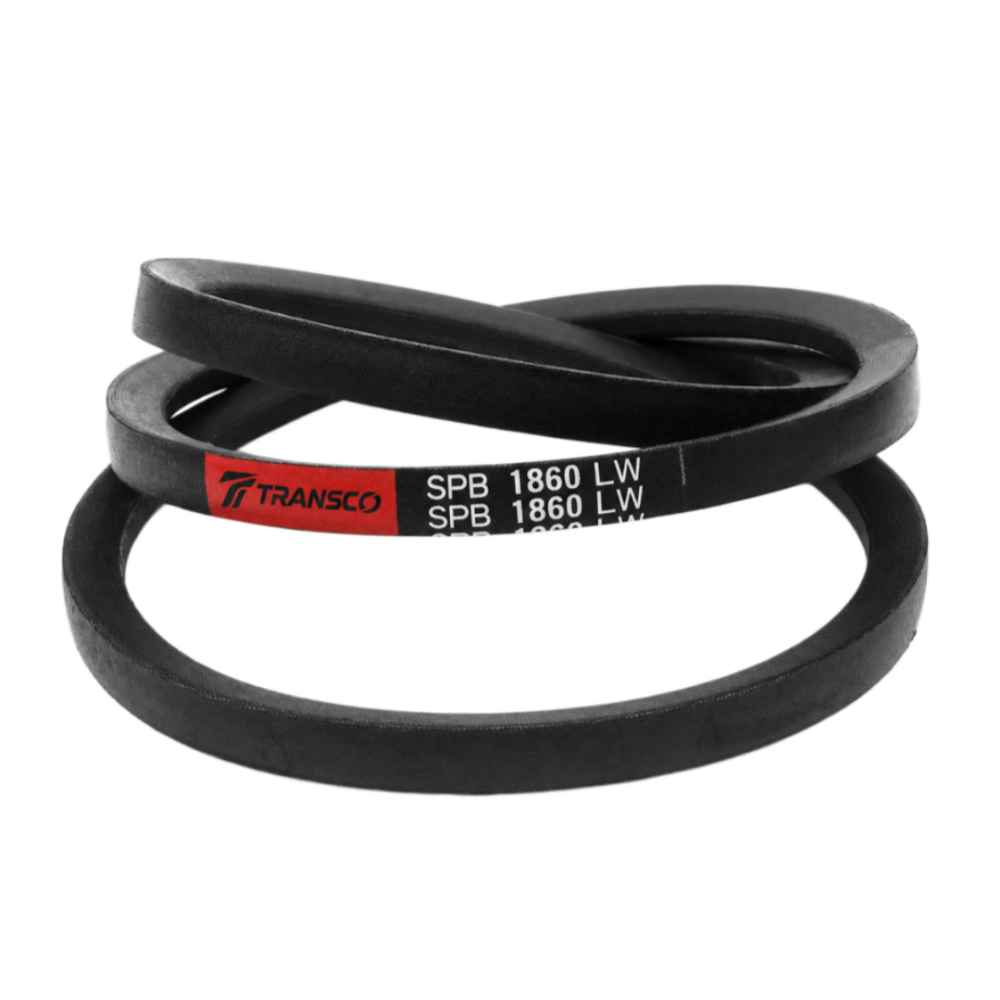
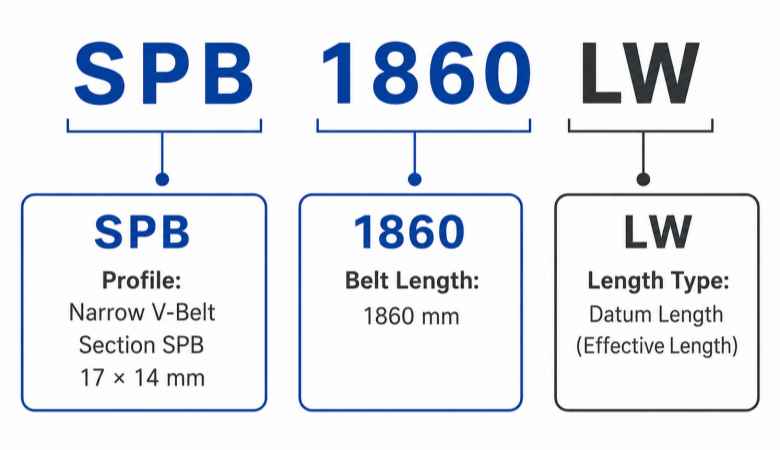
Provide the complete original marking, such as SPA 1600, SPB 2240 or 5V800. The number may represent datum length, effective length, inside length or outside length depending on the belt system, so the profile and length reference must be confirmed together.
Inspect the Pulley Groove:
Check pulley-groove dimensions, wear, contamination and alignment. A narrow V-belt must transmit power through its sidewalls and should not run on the bottom of the groove. Worn or incorrect pulleys can cause slip even when the belt size appears correct.
Collect the Drive Data:
Confirm motor power, driving and driven speed, pulley diameters, center distance, number of belts, operating hours, starting frequency and service factor. These values determine the appropriate profile, belt quantity and required load capacity.
Select the Correct Construction:
Wrapped narrow V-belts are suitable for many general industrial drives. Raw-edge cogged profiles such as XPZ, XPA, XPB, XPC, 3VX and 5VX may be selected for smaller pulleys or greater flexing. Banded narrow V-belts should be considered for severe vibration, belt whipping or heavy shock loads.
Define the Working Environment:
Specify ambient temperature, oil exposure, dust, humidity, outdoor operation, ozone exposure and antistatic requirements. For multi-belt drives, replace worn belts as a complete matched set rather than mixing new and used belts.
| Quick Selection Checklist | ||
|
|
|
| Belt profile | 3V, 5V, 8V, SPZ, SPA, SPB or SPC | |
| Length reference | Datum, effective, inside or outside length | |
| Drive information | Motor power, speed, pulley diameter and center distance | |
| Operating conditions | Temperature, oil, dust, humidity, outdoor exposure and duty cycle | |
| Belt arrangement | Single belt, multiple matched belts or banded construction | |
| Order requirements | Quantity, branding, packaging and required delivery schedule | |
| Supporting information | Belt photos, cross-section dimensions, equipment model or drawing | |
Narrow V-Belt Construction
|
|
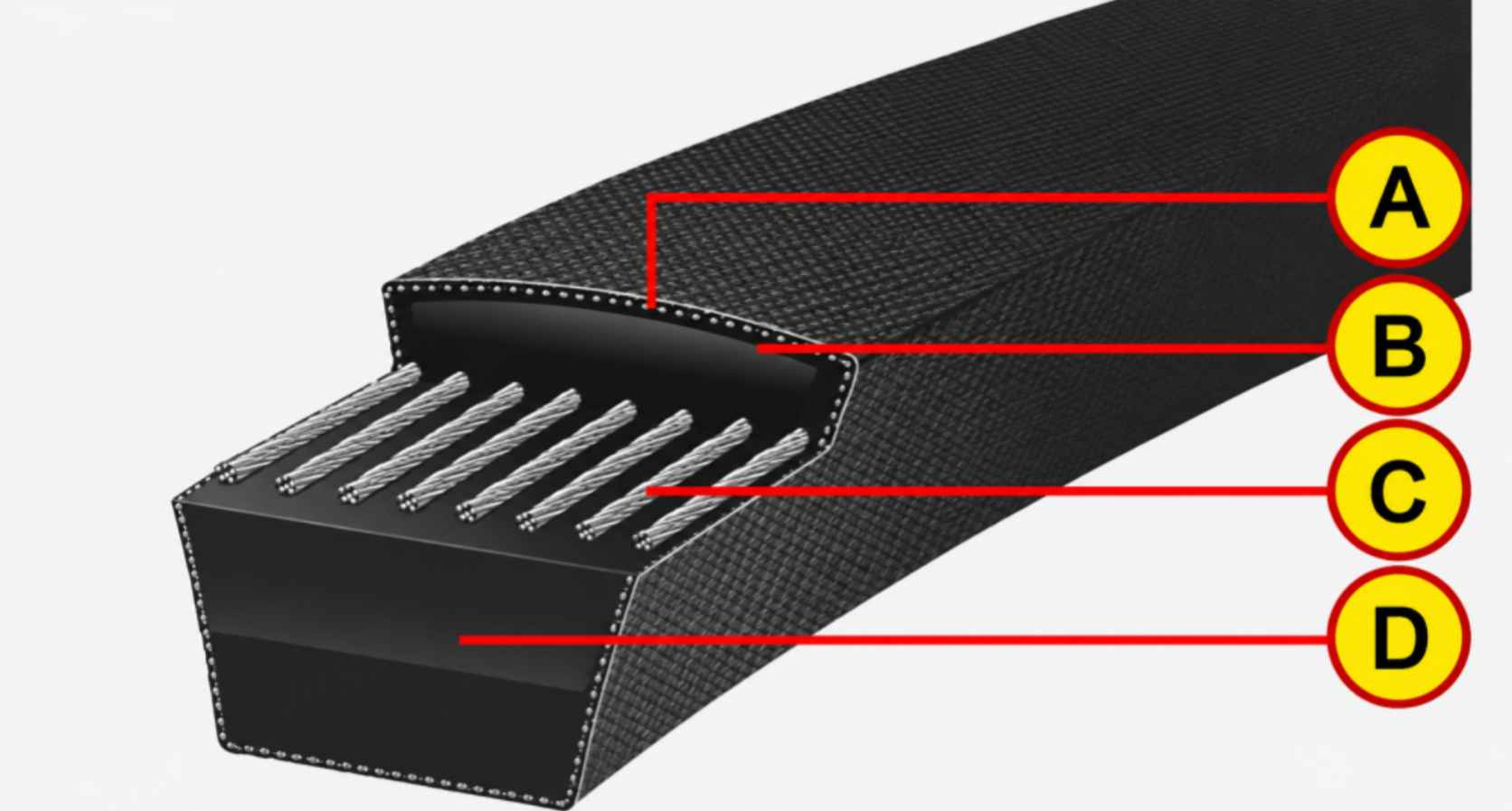
TRANSCO wrapped narrow V-belts use a reinforced multi-layer construction designed to maintain profile stability, transfer tensile load and withstand repeated bending in compact industrial drives.
A. Rubber-Impregnated Fabric Cover: The wrapped fabric cover protects the belt body against abrasion, dust and external mechanical damage. It also provides controlled surface friction as the belt enters and leaves the pulley groove. B. Adhesion and Cushion Rubber: The cushion layer supports and bonds the tensile cord to the surrounding rubber body. It transfers drive forces between the cord and compression section while helping absorb vibration and repeated flexing stress. C. High-Strength Tensile Cord: The tensile cord is the primary load-carrying component. It provides tensile strength, controls elongation and helps maintain a stable belt length during repeated operating cycles. Polyester and aramid cord options are available according to drive requirements. D. Compression Rubber: The compression section withstands repeated bending and compressive deformation as the belt passes around the pulleys. Its compound and cross-sectional consistency help the belt maintain its wedge profile and sidewall contact under load. |
Model Specifications
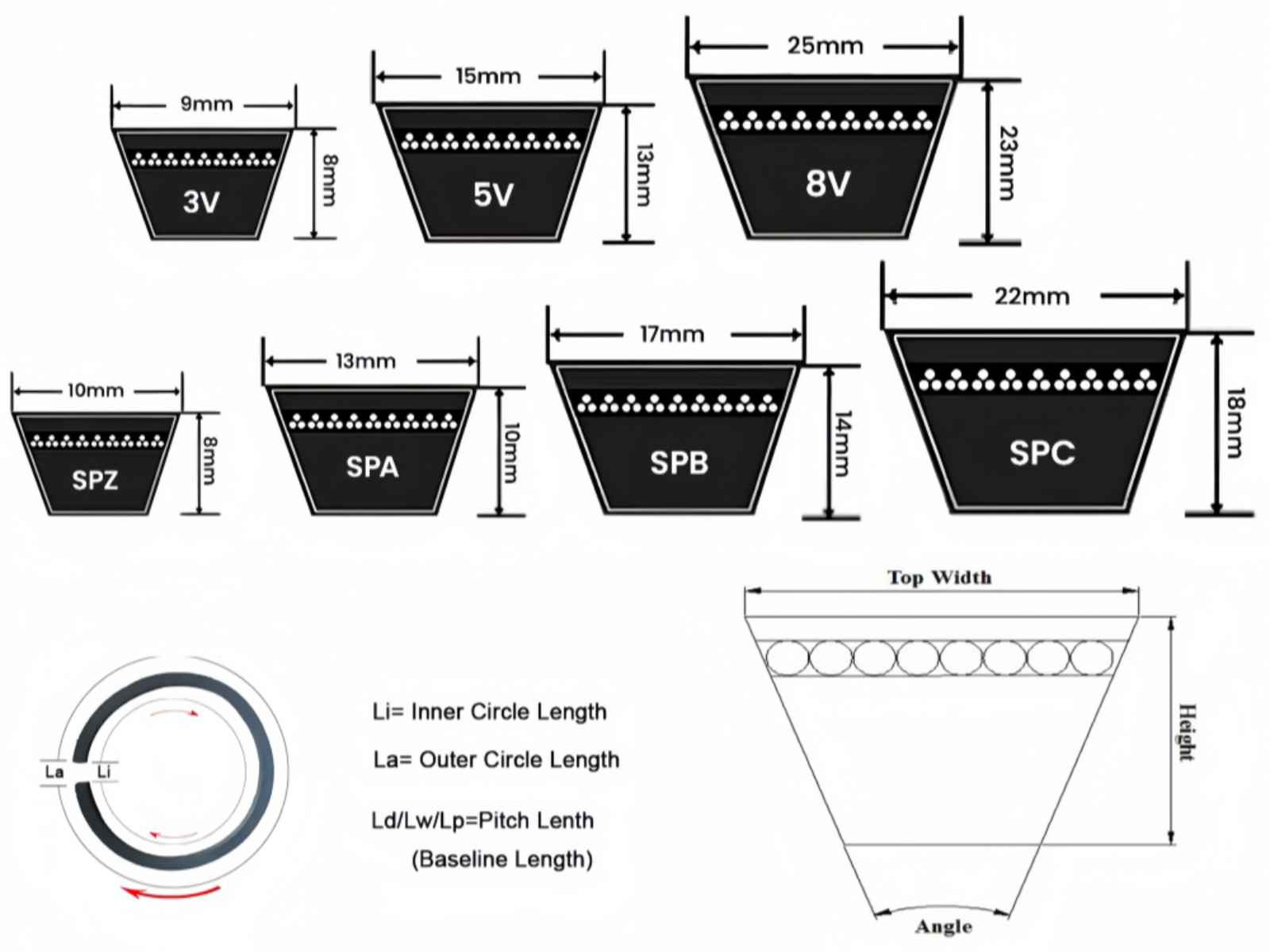
|
|||||||
| Profile |
Top Width
(mm) |
Pitch Width
(mm) |
Height
(mm) |
Angle |
Length Range
(mm) |
Length Conversion | Factory Mark |
|---|---|---|---|---|---|---|---|
| 3V(9N) | 9 | / | 8 | 40° | 406-5283 | La=Li+50 | La |
| 5V(15N) | 15 | / | 13 | 40° | 1118-9296 | La=Li+82 | La |
| 8V(25N) | 25 | / | 23 | 40° | 2210-15138 | La=Li+144 | La |
| SPZ | 10 | 8.5 | 8 | 40° | 500-5283 | La=Li+50 | La |
| SPA | 13 | 11 | 10 | 40° | 600-5300 | La=Li+63 | La |
| SPB | 17 | 14 | 14 | 40° | 1120-9300 | La=Li+88 | La |
| SPC | 22 | 19 | 18 | 40° | 1380-15000 | La=Li+133 | La |
Applications

|
|
|
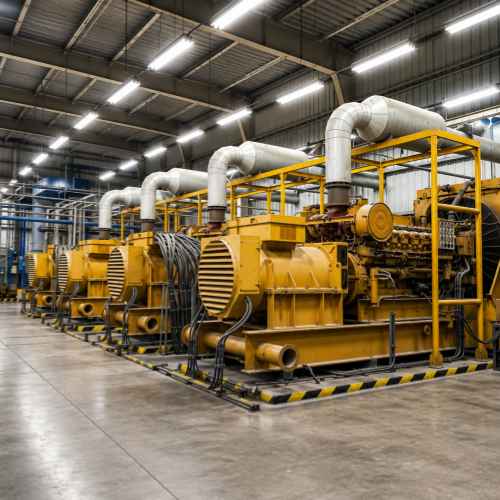
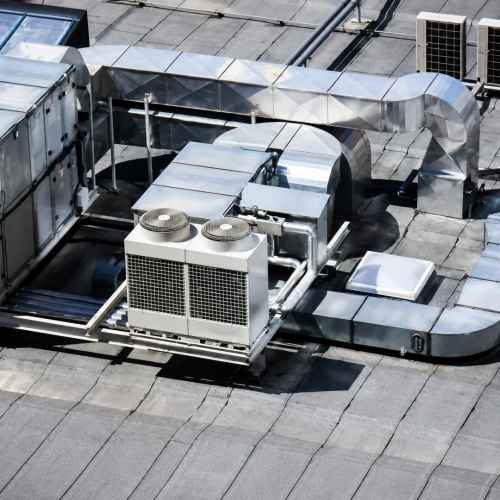
| Mining, Quarry and Construction Equipment | Compressors and Generators | Fans, Blowers and HVAC Systems |
| Wrapped narrow V-belts are used in crushers, screening machines, mills and construction equipment requiring compact mechanical power transmission. Belt profile, pulley condition and load characteristics should be evaluated carefully for drives exposed to vibration, dust or fluctuating loads. | Industrial narrow V-belts are applied in screw compressors, reciprocating compressors, workshop air compressors and generator drives. Their compact cross-section is suitable for equipment requiring high transmission capacity within restricted installation space. | SPZ, SPA, SPB and SPC belts are used in industrial fans, ventilators, blowers, cooling towers and HVAC drive units. Correctly selected narrow V-belts support continuous operation, consistent speed transfer and straightforward maintenance in motor-driven ventilation systems. |

|
|

|
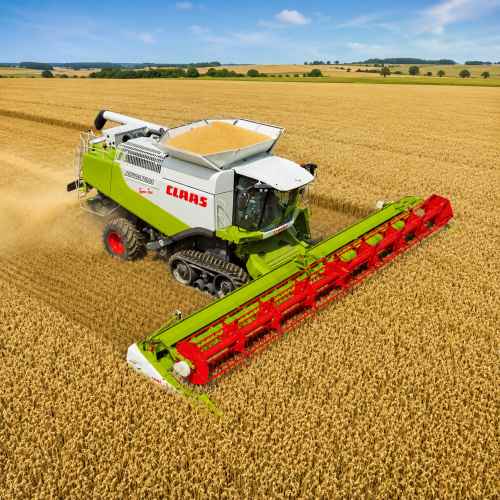
| Industrial Machinery | Agricultural Machinery | Pumps and Irrigation Systems |
| Narrow V-belts are used in machine tools, mixers, drilling machines, woodworking machinery, textile equipment and packaging machines. Their standardized narrow profiles make them suitable for both original equipment production and replacement of existing industrial drive belts. | Wrapped wedge belts are used in tractors, harvesters, threshers, irrigation equipment and other agricultural machinery. The fabric-covered construction helps protect the belt surface in dusty environments, while matched-set supply is available for multi-groove agricultural drives. |
Narrow V-belts transmit power from electric motors or engines to centrifugal pumps, water pumps and industrial pump shafts. Profile selection should consider motor power, pump speed, pulley diameter, center distance and continuous operating load.
|
Packing and Shipping
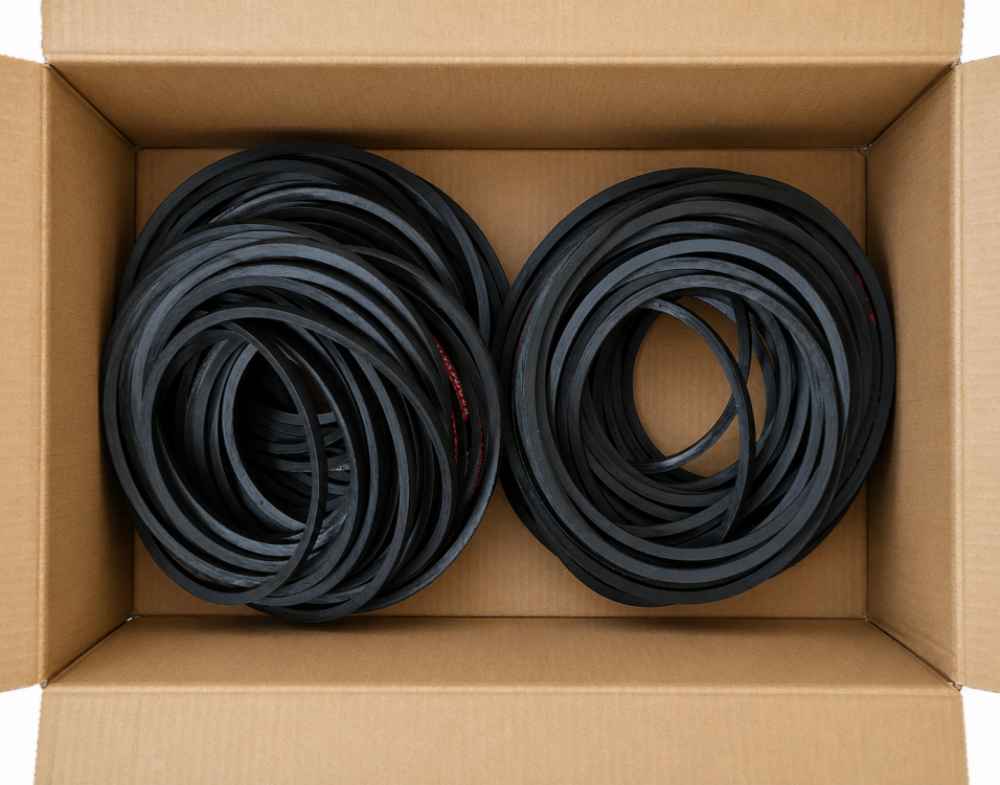
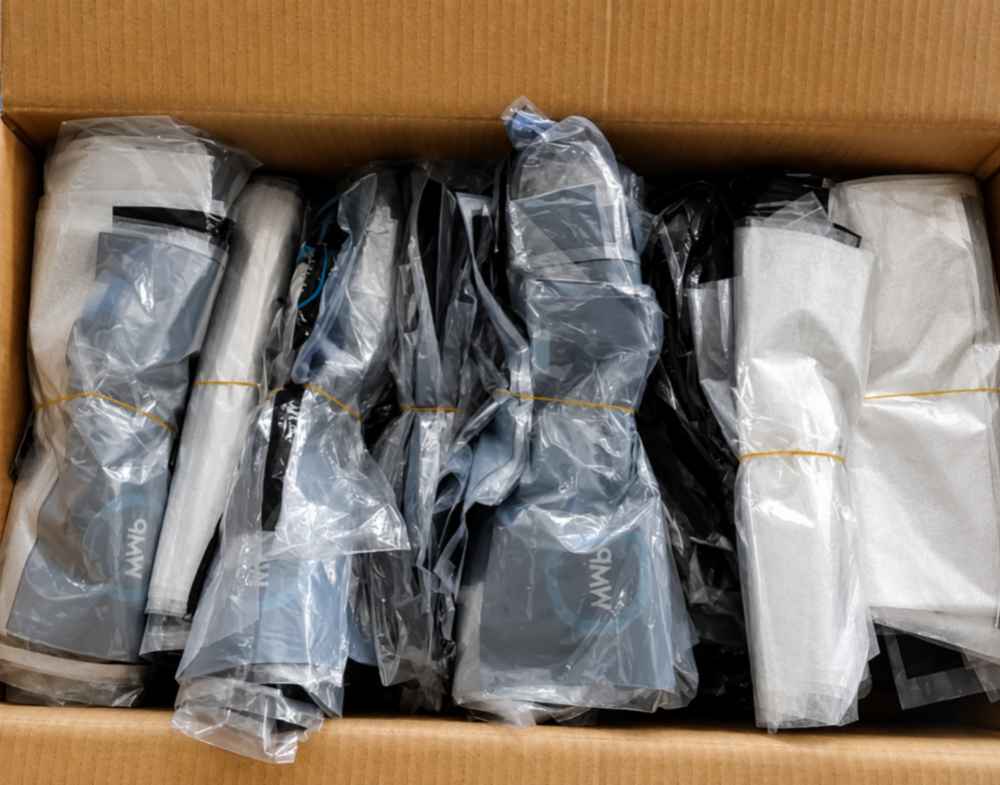
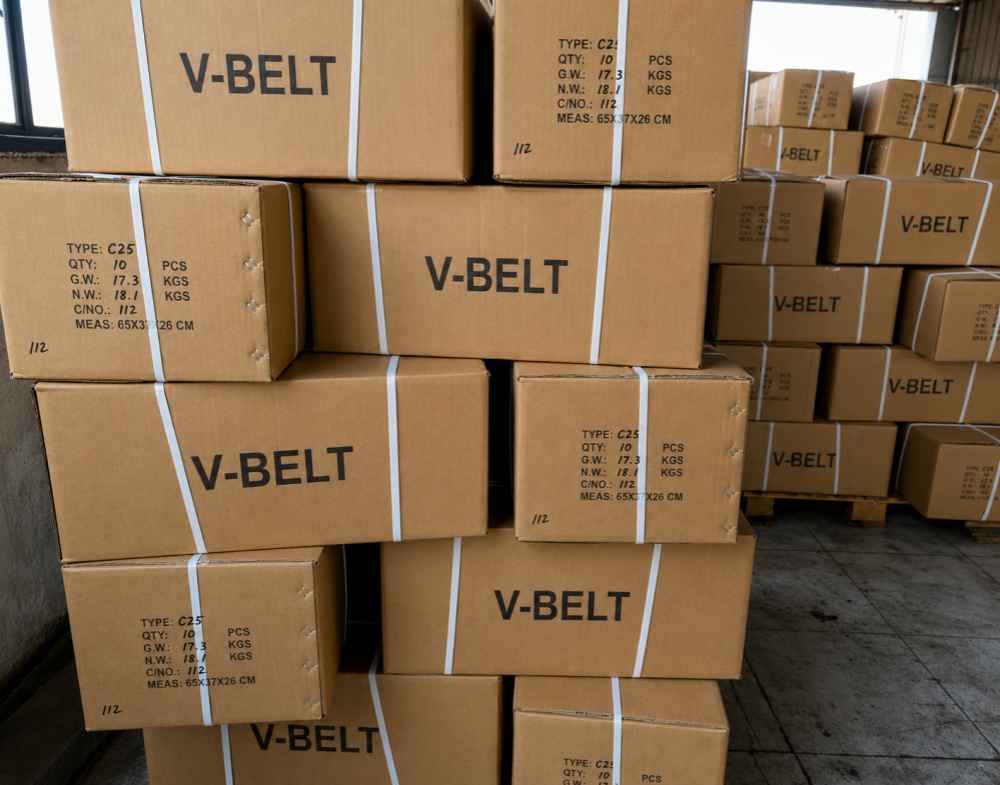
| TRANSCO narrow V-belts can be supplied in individual sleeves, neutral cartons, TRANSCO-branded cartons or customized private-label packaging. Export cartons and pallet packing are selected according to belt dimensions, order quantity and transportation requirements. | |
|
|
|

|