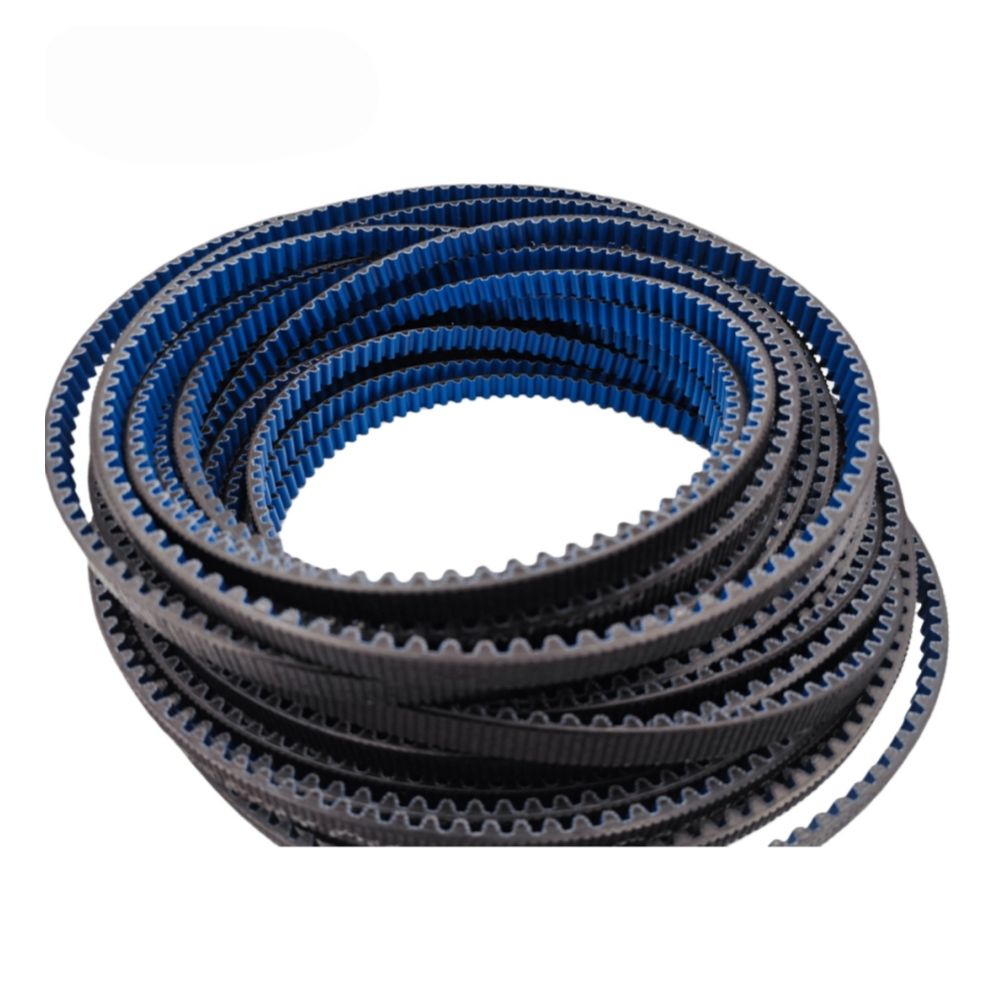
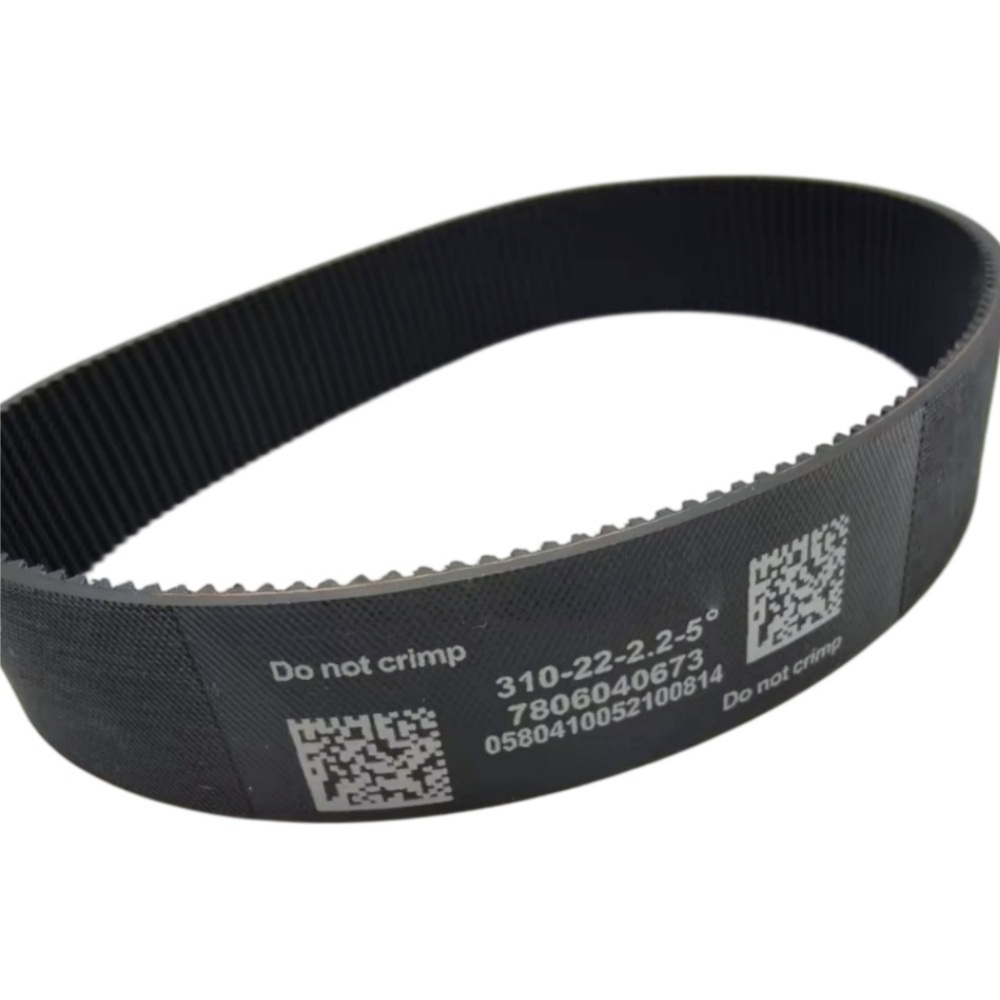
EPS Electric Power Steering Belt
TRANSCO supports technical inquiries for EPS steering rack belt replacement, electric steering rack repair, steering rack remanufacturing and application-specific sourcing projects. Belt dimensions, tooth profiles, materials and supply feasibility are reviewed against the original part reference, drawing or physical sample. Buyers seeking an aftermarket electric power steering belt can submit their original belt details for specification review.
Key Engineering Features
•Helical Tooth Geometry
•Precision Pitch and Dimensional Control
•Reinforced Rubber Construction
•Low-Noise Synchronous Transmission
•Bidirectional Steering Drive
What is an EPS Electric Power Steering Belt?
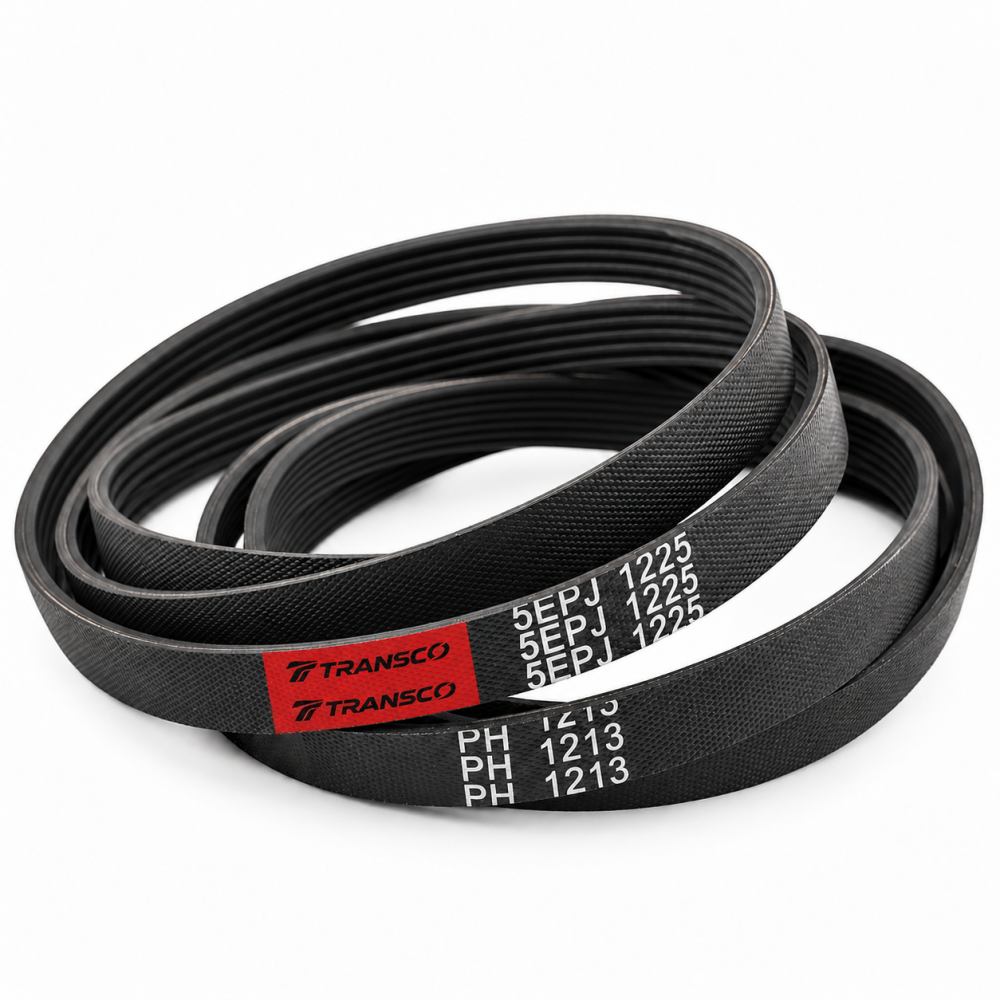
An EPS Helical Timing Belt is a toothed rubber drive belt used in selected electric power steering rack assemblies. Often described in the aftermarket as an electric steering rack belt or steering rack drive belt, it transfers rotational power from the electric assist motor to the steering drive mechanism through a matched pulley system.
In belt-driven rack-assist EPS designs, the motor drives a smaller toothed pulley. The EPS steering rack drive belt transfers torque to a larger driven pulley connected to a ball-screw mechanism, which helps convert rotational movement into linear assistance at the steering rack. This is also commonly described as a ball-screw EPS belt drive.
This belt-driven electric power steering transmission arrangement allows the electric motor and steering mechanism to operate within a compact assembly while supporting accurate torque transfer and low-noise operation.
An EPS synchronous belt is not the same as an engine timing belt, automotive serpentine belt or conventional hydraulic power steering pump belt. Its tooth geometry, dynamic load requirements and operating conditions are specifically determined by the steering unit. Not all electric power steering systems use belt drives, and not all EPS belts have helical teeth.
How Does a Belt-Driven Electric Power Steering System Work?
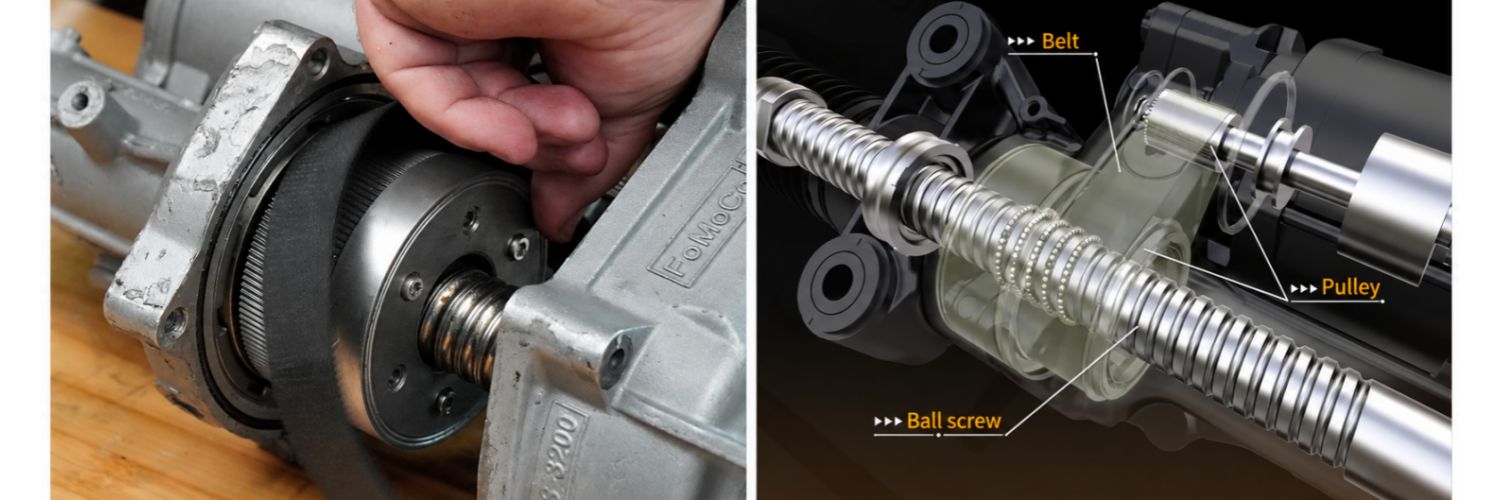
Steering sensors provide input signals to the ECU, which commands the assist motor. Mechanical assist power is transmitted from the motor through the driving pulley, timing belt and driven pulley to the ball-screw mechanism, producing axial assist force at the rack.
The electric power steering drive belt operates inside the steering assembly and must accommodate repeated acceleration, deceleration and changes in steering direction. For this reason, a bidirectional power steering timing belt design must balance meshing stability with controlled flexibility.
Specifications
| Model | Length (mm) | Pitch (mm) | Width (mm) | No of Teeth | Tooth angle | OEM / Reference | Fit for |
| 290-2M-24 | 290 | 2 | 24 | 145 | 6.7° | 32106872478 , 32106793457 | |
| 304-2M-34 | 304 | 2 | 34 | 152 | 6.7° | 7806040392 | BMW 6, F06, F12, F13 |
| 308-2M-34 | 308 | 2 | 34 | 154 | 6.7° | 7806040401 , HEE4039RM , HEE4071ERM | BMW 5, 6, 7 Series, F01, F02, F03, F04, F06, F07, F10, F11, F12, F13, F18 |
| 310-2M-17 | 310 | 2 | 17 | 155 | 6.7° | HEE4070ERM , HEE4182RM , HEE4074ERM , HEE4075RM , 7806040565 , 7806040508 , 32106870153 | Mercedes-Benz Vito V-Class W447, BMW 1, 2, 3, 4 Series F20, F21, F22, F23, F30, F31, F32, F33, F34, F35, F36 |
| 310-2M-22 | 310 | 2 | 22 | 155 | 5° | HEE4048ERM , HEE4066ERM , HEE4082ERM , HEE4108RM , HEE4109ERM , 7806040673 , 7764037458 , 7806974900, 32108092391 , 32108099561 , 32107854808 , 32108053268 , 32108073860 | Audi A4, BMW F80,F82,F83,F87, Mercedes-Benz C, E, M, S, V, GL, GLE, GLK, GLS, Vito V-Class, CLS-Class, W166, W204, W205, W207, W212, W218, W222, W447, S212, C207, C217, C218, X166, X218, X222, X204, V218, V222, V212 |
| 310-2M-28 | 310 | 2 | 28 | 155 | 6.7° | 7806040584 | Porsche Panamera |
| 310-2M-30 | 310 | 2 | 30 | 155 | - | - | - |
| 310-2M-34 | 310 | 2 | 34 | 155 | 6.7° | - | BMW F10 |
| 314-2M-25 | 314 | 2 | 25 | 157 | 5° | ||
| 314-2M-28 | 314 | 2 | 28 | 157 | - | ||
| 316-2M-22 | 316 | 2 | 22 | 158 | 5° | 7806040564 , HEE4329ERM , HEE4332ERM , HEE4036ERM | Tesla, Model S, X, Land Range Rover Discovery Evoque, Jaguar E-Pace, Lincoln MKZ I |
| 316-2M-28 | 316 | 2 | 28 | 158 | 6.7° | HLL00360 , 7806040586 , 32106886618 , 32106888564 , 32108088845 , 32108092825 , 32108092871 , 32108097647, 8 088 845-01 , 8088845 | BMW 3, 5, 6, 7, 8-Series G11, G15, G16, G20, G21, G30, G31, G32, G38 BMW X3, X4, X5, X6, X7 G01, G02, G05, G06, G07 |
| 320-2M-15 | 320 | 2 | 15 | 160 | 6.7° | BMW X7 | |
| 320-2M-24 | 320 | 2 | 24 | 160 | 5° | Chevrolet Cruze | |
| 320-2M-28 | 320 | 2 | 28 | 160 | 6.7° | 703535D | Mercedes-Benz C E W205 W207 W907 |
| 324-2M-28 | 324 | 2 | 28 | 162 | 6.7° | 708868D , HEE4045ERM , HEE4097RM | Mercedes-Benz C, E-Class, W204, W205, W207, C207, W212, W213, V212, S212 |
| 328-2M-25 | 328 | 2 | 24 | 164 | 6.7° | ||
| 330-2M-29 | 330 | 2 | 29 | 165 | 5° | ||
| 332-2M-24 | 332 | 2 | 24 | 166 | 5° | HEE4041ERM , HEE4281ERM , HEE4282ERM | Volkswagen, VW, Tiguan, Passat CC B7 Variant, Audi Q3, SEAT Alhambra, Leon, Sharan, Touran |
| 332-2M-28 | 332 | 2 | 28 | 166 | 5° | HEE4002ERM , HEE4184ERM , HEE4185ERM , HEE4208RM | BMW 1, 2, 3, 4, F20, F21, F22, F23, F30, F31, F32, F33, F34, F36 X3, X4, X5, X6, F15, F16, F25, F26, F85, F86 Chevrolet Corvette Colorado, Tesla Model (S,X) GMC Canyon, Lexus, Toyota Camry |
| 340-2M-25 | 340 | 2 | 25 | 170 | 6.7° | HEE4033ERM , HEE4132ERM , HEE4147ERM , HEE4154ERM , HEE4155ERM , HEE4093ERM | Ford Focus, Tourneo Connect, Escape, C-MAX, Kuga, Transit Connect Wagon, Furgon, Volvo V40, Lincoln MKZ ll |
| 340-2M-34 | 340 | 2 | 34 | 170 | - | - | BMW F10 F11 F18 F06 F07 F12 F13 |
| 344-2M-25 | 344 | 2 | 25 | 172 | - | ||
| 344-2M-28 | 344 | 2 | 28 | 172 | 5° | ||
| 348-2M-26 | 348 | 2 | 26 | 174 | 5° | HEE4169RM , S01B0019 , 84240808 , 23323247 , 84558552 | Chevrolet Camaro |
| 354-2M-34 | 354 | 2 | 34 | 177 | 5° | HEE4091ERM , HEE4131ERM , HEE4152ERM , HEE4153ERM , HEE4171RM , HEE4172ERM, HEE4173ERM , 38006842 | Ford Mustang F-150 2010-2014 |
| 358-2M-34 | 358 | 2 | 34 | 179 | - | ||
| 364-2M-22 | 364 | 2 | 22 | 182 | 5° | 7806040596 , 7806040696 , HEE4151RM , HEE4088ERM | Ford Fusion, Mondeo, S-Max, Galaxy III |
| 368-2M-25 | 368 | 2 | 25 | 184 | - | 57700-J6000 | Kia K900, Stinger GT (Premium, Base Exclusive), Sportage IV, Hyundai Tucson, Genesis II, G70, G80, G90, GV80 |
| 374-2M-34 | 374 | 2 | 34 | 187 | 5° | ||
| 376-2M-34 | 376 | 2 | 34 | 188 | 5° | HEE4126RM , S01B0079 , 68394222AA , 68422616AA, 05154751AB , 68079506AF , 68242957AE , RL079506AG , 68079506AB, 68230030AD , 05154751AD , 68230030AA , 68242959AD , RL230030AA, 68079506AD , 68242957AD , RL079506AF , 68242957AH | Alfa Romeo Giulia, Stelvio; Cadillac XT5; Jeep Grand Cherokee; GMC Acadia; Dodge Charger, RAM; Buick Envision, Enclave; Chrysler 300 C, Voyager, Pacifica; |
| 380-2M-21 | 380 | 2 | 21 | 190 | 6.7° | 5Q1423062J , 5Q1423062K , 5Q1423062CX , 5Q1423062BX | Skoda Superb III, Volkswagen Tiguan II, Volkswagen Golf Sportsvan, Skoda Karoq, Seat Ateca |
| 384-2M-34 | 384 | 2 | 34 | 192 | - | HEE4162RM , 28271802 , 38204583 , S01B0038 | Chevrolet Silverado, Suburban, Tahoe, Cadillac Escalade, GMC Yukon Sierra |
| 390-2M-25 | 390 | 2 | 25 | 195 | 5° | 38018161 , HEE4442RM | Ford Ranger |
| 400-2M-25 | 400 | 2 | 25 | 200 | 5° | K2GZ-3504-A-B-H-J , H2GZ-3504-F | Ford Flex, Edge, Lincoln MKT |
| 408-2M-25 | 408 | 2 | 25 | 204 | 5° | HEE4043ERM , HEE4101ERM , HEE4115ERM , HEE4116RM | Ford Explorer 2010-2019 |
For an EPS replacement timing belt inquiry or custom development request, please provide the original belt marking, detailed tooth profile, helix direction and steering rack identification. These details help identify a suitable replacement belt for an electric power steering rack.
Automotive Applications
|
Automotive Applications of EPS Helical Timing Belts and Steering Rack Drive Belts |
Belt-Driven Electric Power Steering Racks |
Steering Rack Repair, Rebuilding and Remanufacturing |
|
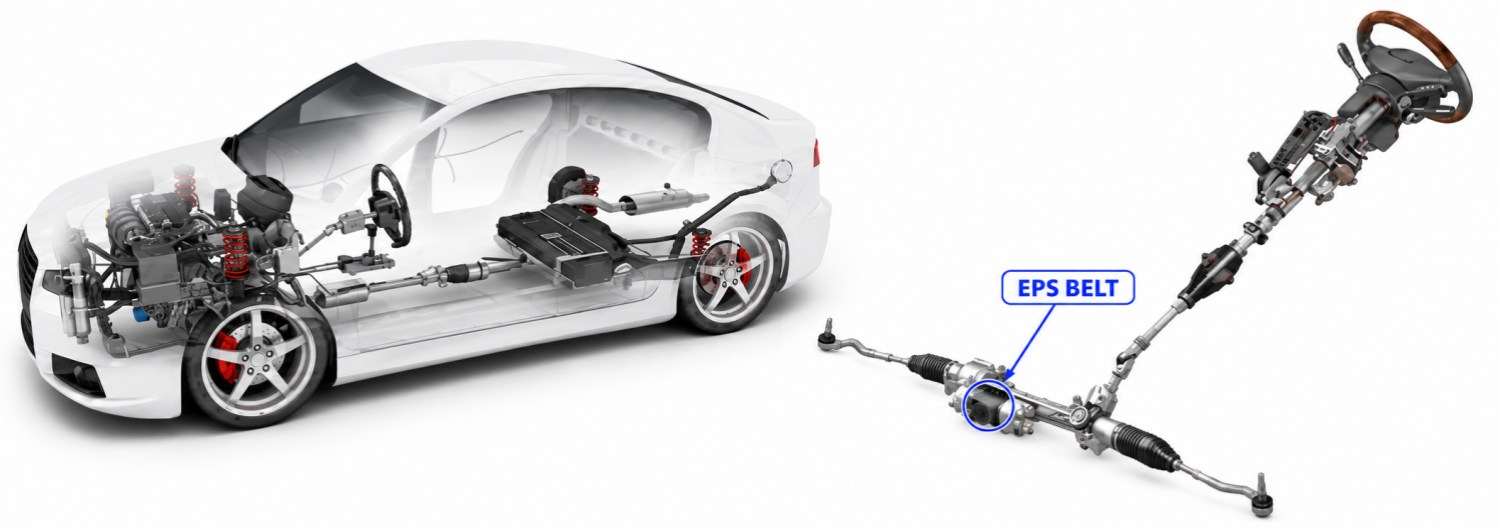
EPS timing belts are used in selected electric steering systems installed in internal combustion engine vehicles, hybrid vehicles and battery electric vehicles. Depending on the steering architecture, an automotive EPS belt may be called an electric steering assist drive belt or an automotive steering rack belt. Their application depends on the steering architecture rather than the vehicle powertrain alone. Vehicle category is therefore only a starting point for selecting the correct electric power steering synchronous belt. |
In selected rack-assist EPS and rack-parallel EPS drive arrangements using a toothed belt and ball-screw transmission, the belt transfers motor torque within the steering assembly. These axis-parallel EPS architectures require a compatible belt-and-pulley system; an EPS ball-screw drive belt must match the original geometry. Matched belt and pulley geometry is essential for predictable engagement and low-noise operation. The toothed belt for an EPS steering rack should be checked for pitch, profile, helix angle and direction. |
Steering rack rebuilding and remanufacturing projects may require an electric steering rack repair belt matched to the original steering mechanism. For a steering rack remanufacturing belt or a steering rack rebuild timing belt, exact geometric identification is more useful than a broad vehicle-name match. Belt selection requires confirmation of the original dimensions, tooth geometry, steering rack reference and applicable validation conditions. This applies equally to an EPS rack repair drive belt and a replacement helical belt for an EPS rack. |
|
Automotive Replacement Parts Distribution |
OEM and Application-Specific Engineering Projects |
Vehicle Categories |
|
Automotive parts distributors and specialized steering component suppliers often identify electric power steering repair belts using belt markings, part references and steering rack specifications. For auto parts distributors sourcing an aftermarket electric power steering belt, accurate cross-references can simplify initial identification. A detailed technical specification helps distinguish closely related sizes that may not be interchangeable. This is particularly important for automotive EPS belt replacement parts and steering rack belt supply inquiries. |
Specialized automotive development projects may require evaluation of tooth profiles, rubber compounds, reinforcement structures and dimensional tolerances. Such work may involve a custom helical EPS timing belt or other application-specific EPS drive configuration. Tooling feasibility, prototype requirements and testing scope must be agreed upon before a proposed design can be approved. Custom electric power steering belt requirements must be reviewed against the steering system's safety-related validation needs. |
EPS belts may be relevant to selected applications involving the following vehicles, provided that the specific steering system uses a suitable belt drive:
Not every model within a vehicle brand or category uses a belt-driven steering system. Requests for an EPS belt for passenger cars, hybrid vehicles, electric vehicles or light commercial vehicles therefore require steering-rack-specific identification. |
Why Helical Tooth Geometry Matters in Electric Power Steering
Helical tooth geometry is one of the defining characteristics of selected EPS steering rack belts. A helical tooth steering rack belt uses an inclined tooth trace to change how the teeth enter and leave engagement with the pulley.
A conventional straight-tooth timing belt has tooth traces running across the belt width at approximately 90 degrees to the belt length. A helical-tooth belt has tooth traces inclined at a specified angle relative to the belt width. The latter may also be described as an oblique tooth steering rack belt or slanted tooth EPS timing belt. This angled tooth geometry changes how individual teeth enter and leave engagement with the corresponding pulley. The oblique tooth EPS synchronous belt must use a compatible pulley profile and helix direction.
Instead of engaging across the full tooth width almost simultaneously, the angled tooth trace allows progressive engagement across the belt width. A slanted tooth electric power steering belt can therefore change the meshing excitation compared with a conventional straight-tooth design.
When properly designed with the corresponding pulley system, this arrangement can help reduce meshing-related noise and vibration. Helical geometry alone does not establish a particular noise reduction without a defined test method.
Straight Tooth vs. Helical Tooth Timing Belt
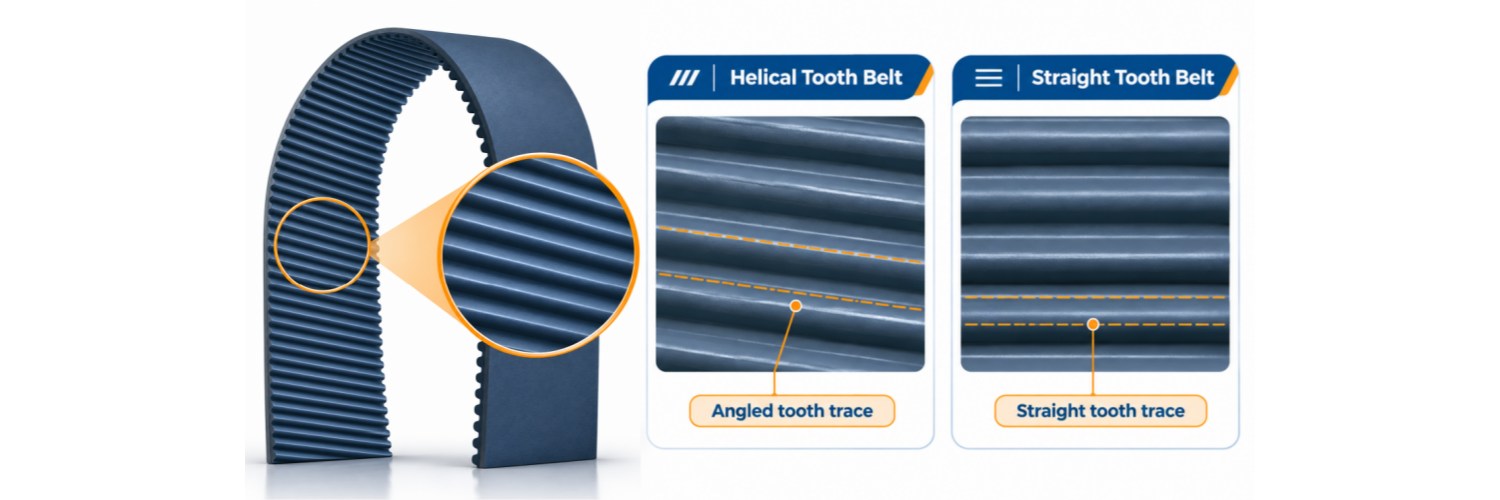
| Comparison | Straight Tooth Timing Belt | Helical Tooth EPS Timing Belt |
| Tooth Trace | Straight across the belt width | Inclined across the belt width |
| Helix Angle | 0° | Application-specific |
| Tooth Engagement | Nearly simultaneous across tooth width | Progressive engagement |
| Noise Characteristics | Depend on tooth profile and operating conditions | Helical geometry offers additional meshing-noise optimization |
| Pulley Matching | Requires corresponding straight-tooth pulleys | Requires matched helical tooth geometry and direction |
| Typical Use | General synchronous transmission | Selected precision and low-noise steering drives |
A helical EPS belt cannot be replaced with a straight-tooth belt solely because the pitch length, width and tooth count are identical. The full tooth profile, helix angle, helix direction and mating pulley design must also be compatible.
Main Performance Features of EPS Steering Rack Belts
TRANSCO EPS Helical Timing Belts combine precision-molded helical teeth, reinforced rubber compounds, low-elongation tensile cords and wear-resistant tooth-facing fabric. Designed for belt-driven electric power steering systems, they provide quiet operation, stable torque transmission, precise tooth engagement and long-term durability under repeated steering loads.
• Low-Noise Helical Tooth Engagement: The helical tooth profile enables progressive engagement with the matching pulleys, reducing sudden tooth contact and meshing impact. This helps minimize operating noise and vibration within the electric power steering rack. Combined with wear-resistant tooth-facing fabric and precision-molded tooth geometry, the low-noise EPS timing belt supports smooth, quiet power transmission during steering movements.
• High Torque Capacity and Stable Power Transmission: EPS steering systems generate rapidly changing motor torque during steering assistance. The reinforced rubber tooth structure and high-strength tensile cords provide stable power transmission under both continuous and instantaneous loads. Positive engagement between the belt teeth and matching pulleys maintains a consistent transmission ratio without frictional slip. This high-torque EPS timing belt construction supports reliable power transfer from the assist motor to the ball-screw steering mechanism.
• High Tooth-Jump Resistance: Precision-molded teeth provide secure engagement with the corresponding helical pulleys, helping prevent tooth skipping during sudden torque increases and rapid steering load changes. The reinforced tooth rubber, controlled tooth geometry and low-elongation tensile cords work together to maintain effective tooth engagement and improve load distribution. This tooth-jump-resistant construction supports dependable synchronous transmission under demanding EPS operating conditions.
• Precision Pitch and Excellent Dimensional Stability: Accurately molded tooth spacing and controlled pitch length ensure consistent engagement with the driving and driven pulleys. High-strength, low-elongation tensile cords limit belt stretching under repeated loads, helping maintain stable tooth positioning and transmission accuracy. Precision-controlled belt width, tooth profile and helix angle provide the dimensional consistency required for electric steering rack applications.
• Excellent Flexibility and Bending Fatigue Resistance: The flexible rubber body and reinforced tensile structure allow the EPS belt to bend repeatedly around compact pulleys without sacrificing transmission stability. The combination of flexible backing rubber, fatigue-resistant tensile cords and strong adhesion between structural layers helps resist cracking, cord fatigue and tooth damage during prolonged cyclic operation. This construction provides reliable durability under repeated bending and changing steering loads.
• Smooth and Reliable Bidirectional Transmission: Electric power steering systems require frequent changes in motor rotation and torque direction as the steering wheel turns left and right. The symmetrical load-carrying capability of the synchronous tooth engagement and reinforced belt construction supports smooth torque transmission in both rotational directions. Stable tooth engagement and controlled belt elongation help maintain consistent power delivery during rapid steering reversals.
• Temperature and Ageing Resistance: EPS timing belts use heat-resistant rubber compounds to maintain flexibility, structural integrity and transmission performance across the operating temperatures encountered in automotive steering assemblies. HNBR and EPDM rubber formulations provide resistance to thermal ageing, ozone and long-term environmental deterioration, while maintaining the flexibility required for repeated bending. The reinforced construction also helps preserve tooth geometry and dimensional stability throughout extended service.
• Oil and Grease Resistance: EPS steering rack assemblies may contain lubricated mechanical components, exposing the drive belt to grease or other lubricants during operation. Oil- and grease-resistant rubber formulations, particularly suitable HNBR compounds, help resist swelling, softening and deterioration caused by contact with compatible lubricants. Combined with securely bonded tooth-facing fabric and tensile reinforcement, the belt maintains structural integrity, tooth engagement and transmission stability in lubricated EPS steering environments.
Belt Construction & Materials
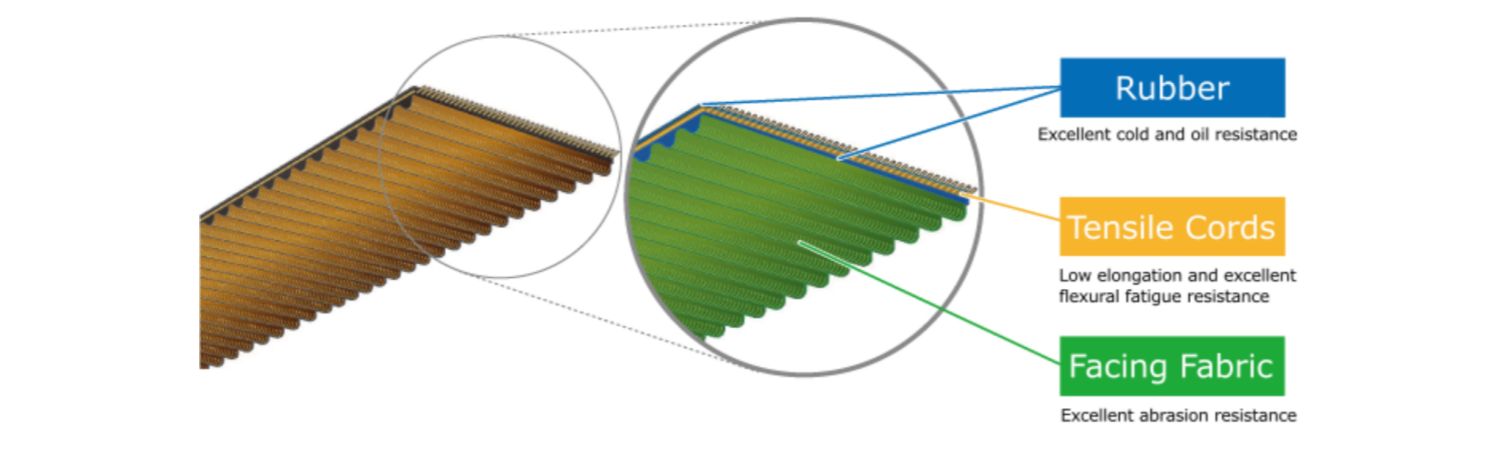
TRANSCO EPS Helical Timing Belts feature a three-component reinforced rubber construction consisting of a rubber body, embedded tensile cords and tooth-facing fabric. Each component is integrated into the belt structure to meet the material and dimensional requirements of electric power steering systems. We offer HNBR, EPDM and CR rubber compounds, fiberglass and aramid tensile cords, and treated nylon/polyamide facing fabrics for different EPS steering rack belt specifications.
1. Rubber — HNBR, EPDM and CR
The rubber body forms the belt backing and precision-molded helical teeth, providing the main structural foundation of the EPS timing belt. The tensile cords are embedded within the rubber body, while the molded teeth form the profile that engages with the matching pulleys.
TRANSCO provides three rubber compound options:
-
HNBR (Hydrogenated Nitrile Butadiene Rubber): A hydrogenated nitrile rubber compound used in EPS timing belts requiring a specified HNBR construction.
-
EPDM (Ethylene Propylene Diene Monomer): An alternative rubber formulation for EPDM electric power steering belts.
-
CR (Chloroprene Rubber): A chloroprene-based rubber option for application-specific EPS steering rack belt construction.
We support rubber compound selection and formulation customization according to the required belt specifications.
2. Tensile Cords — Fiberglass and Aramid
Tensile cords are embedded longitudinally within the rubber body, forming the primary load-bearing reinforcement of the EPS synchronous belt.
TRANSCO offers two tensile cord materials:
-
Fiberglass Tensile Cords: Glass-fiber reinforcement for fiberglass-reinforced EPS timing belts.
-
Aramid Tensile Cords: High-strength aramid reinforcement for aramid-reinforced EPS steering rack belts.
Cord diameter, construction, winding pitch, arrangement and density can be specified according to the belt design.
3. Facing Fabric — Nylon / Polyamide
The facing fabric covers the working tooth surfaces, including the molded helical tooth flanks and grooves. It forms the fabric-covered contact surface between the rubber teeth and matching pulleys. TRANSCO uses treated nylon/polyamide tooth-facing fabric in our fabric-faced EPS timing belt constructions. Fabric thickness, structure and surface treatment are selected to match the required tooth profile and rubber compound. Compatible bonding treatments securely integrate the facing fabric with the molded rubber teeth.
TRANSCO supports material combinations and construction customization for EPS helical timing belts based on customer drawings, original belt samples and technical specifications. Corresponding material and product verification can also be provided.
Customization and Supply Support
Drawing-Based EPS Belt Selection and Custom Specification
TRANSCO supports technical inquiries based on original belt references, customer drawings and physical samples. For customers seeking a custom helical EPS timing belt or custom electric power steering belt, we review dimensional, material and tooling requirements before confirming feasibility. To review a custom steering rack belt by drawing, or to assess an EPS belt sample-matching request, please provide the details requested in the quotation FAQ below. Actual production and validation options are confirmed for each requested specification.
Manufacturing and Supply Support
TRANSCO is a China-based rubber conveyor belt and power transmission belt manufacturer serving international industrial and automotive-related markets. We support technical sourcing discussions for specialized automotive EPS belts, with requested EPS production and supply capability subject to confirmation. Our broader manufacturing operations include rubber transmission belt production and quality inspection facilities. We can discuss inspection information and documentation requirements for specific EPS steering rack belt projects once the application specification is defined.
For specialized EPS helical timing belt requirements, TRANSCO supports product identification and technical discussions based on the requested tooth geometry, dimensions, materials and application. Buyers comparing an electric power steering belt supplier or steering rack belt supplier can send part references and drawings for review. Actual manufacturing capability, available tooling, sample supply and delivery arrangements are confirmed for each requested specification. Requests for wholesale EPS steering rack belts, bulk electric power steering belts or aftermarket EPS belt wholesale should therefore include the model, quantity and required validation conditions.
Packaging and Order Identification
Packaging can be discussed according to the approved product and order requirements. For approved EPS replacement belt orders, identification labels and packing details can be coordinated with the customer.
Important identification information may include:
- Belt specification or reference number
- Dimensions and quantity
- Production batch identification
- Customer labeling requirements
- Inspection and packaging information
Special handling requirements should be communicated before shipment.