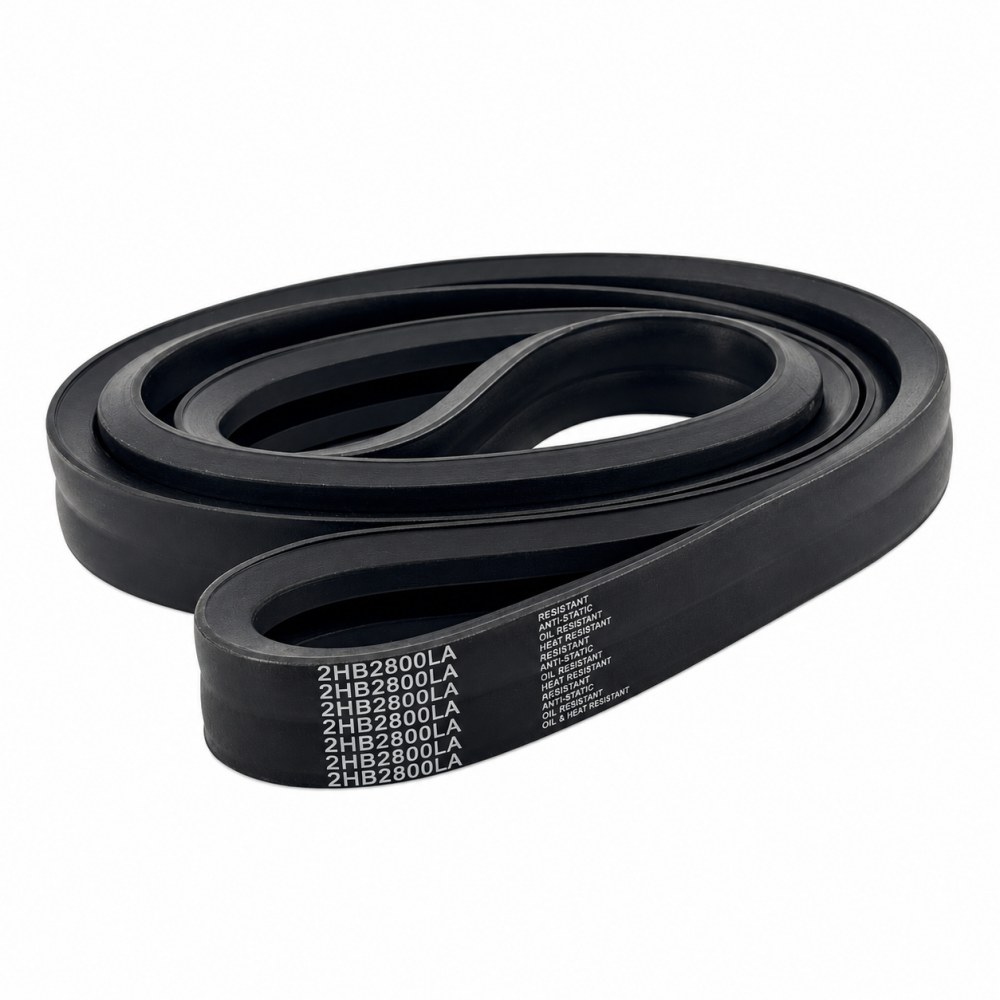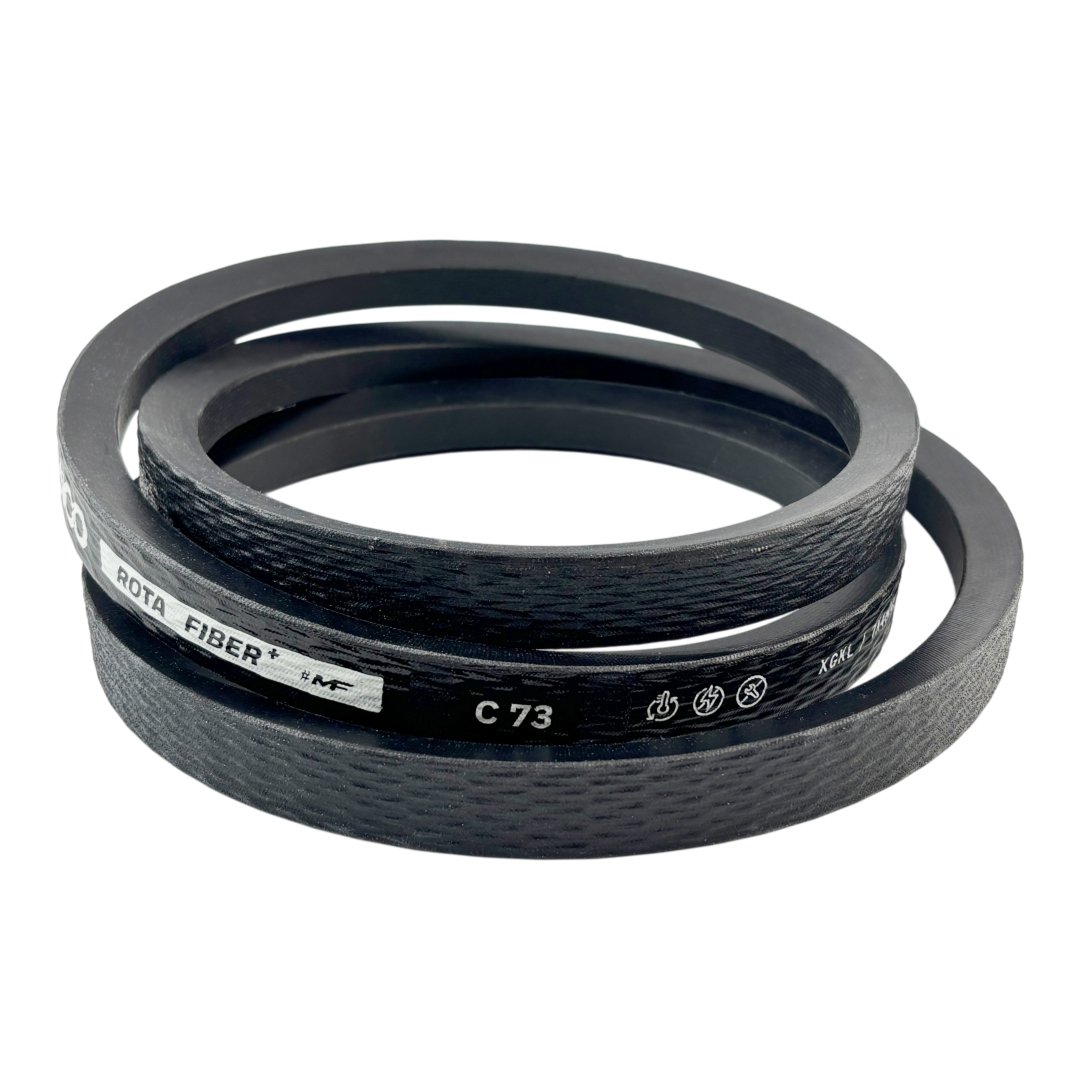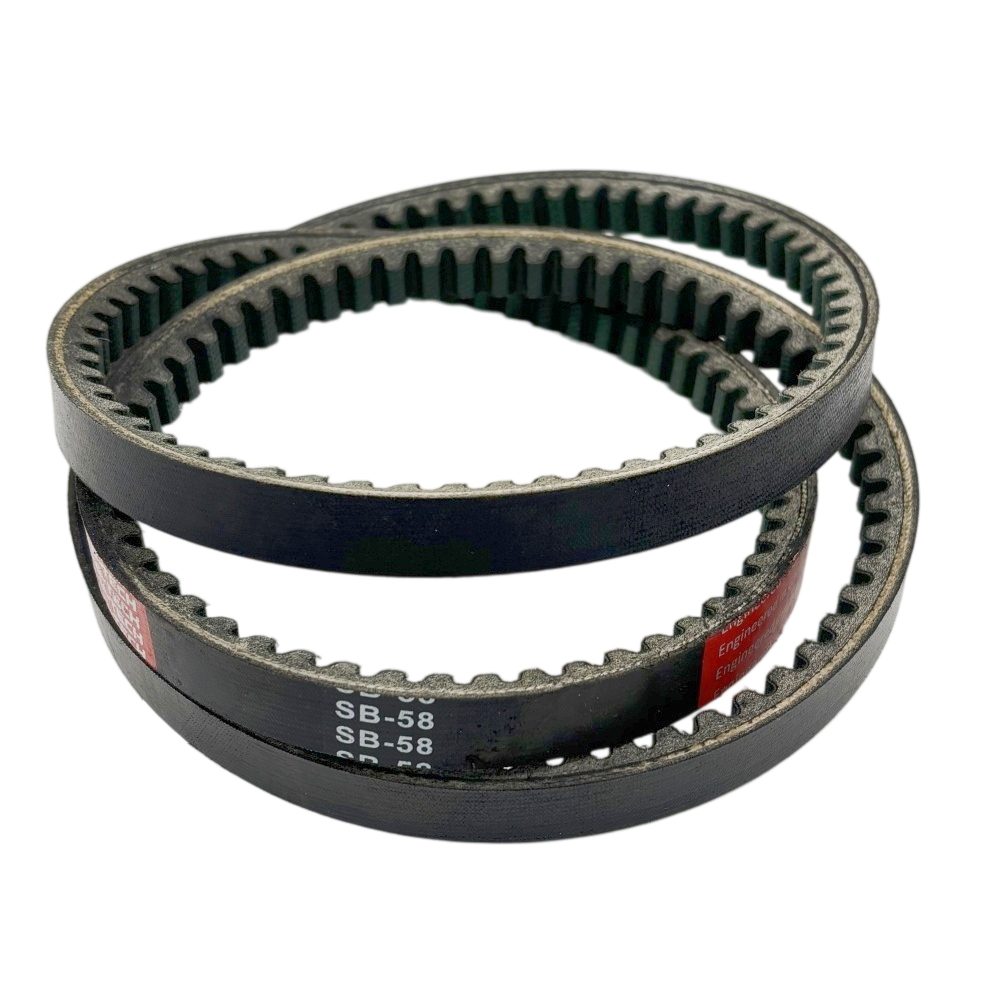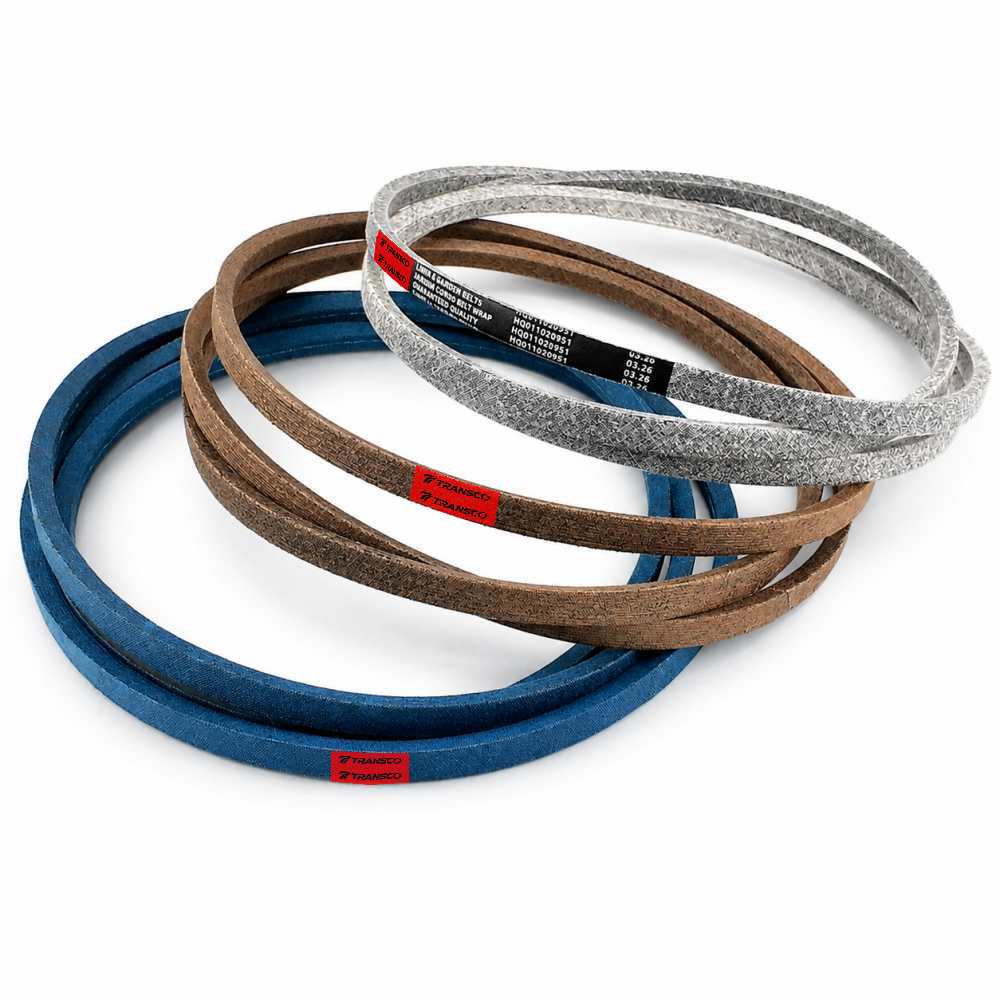
Industrial Variable Speed V-Belt
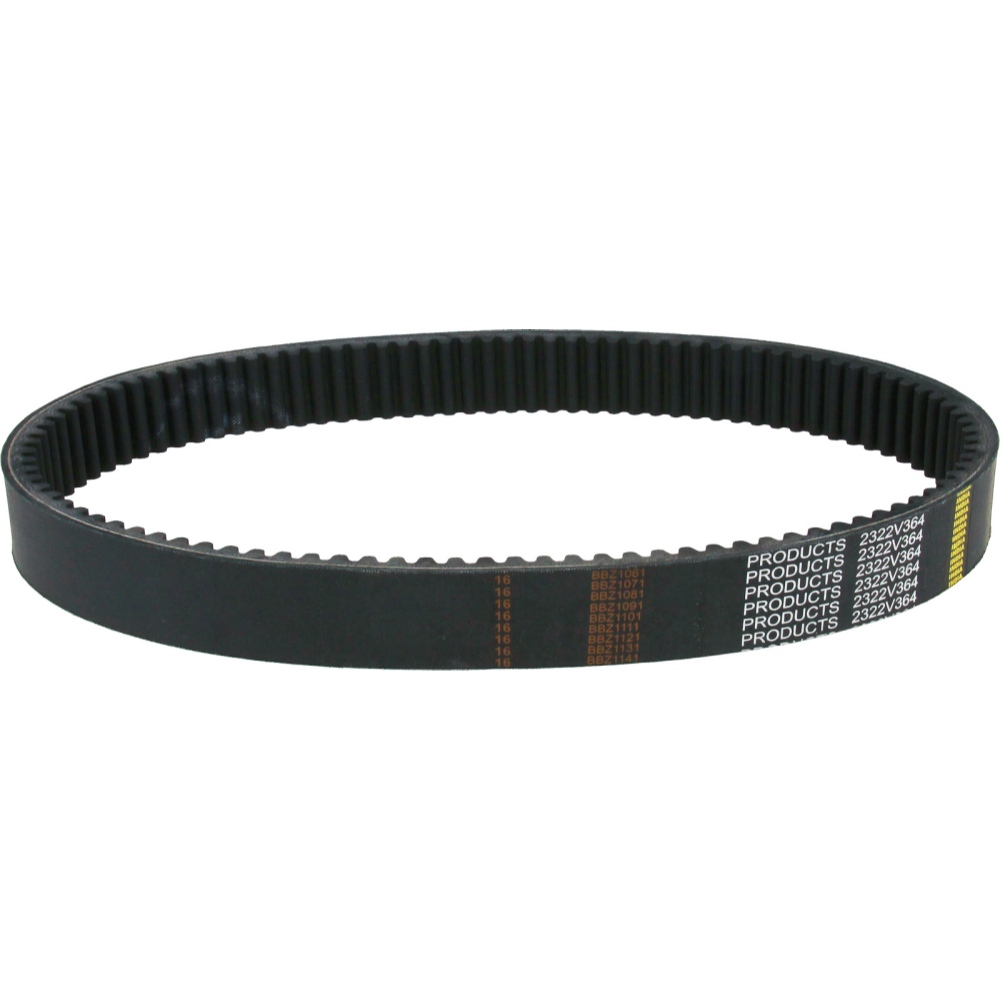
Our belts are manufactured using EPDM or CR rubber compounds, primarily reinforced with aramid short fibers, and polyester or aramid tensile cords. We supply industrial variable speed belts in different profiles and dimensions to meet OEM equipment, industrial maintenance and variable speed V-belt replacement requirements.
Key Features:
High Power Transmission
High Transverse Stability
Excellent Bending Flexibility
Smooth & Stable Operation
Wear & Slip Resistance
Reduced Heat Buildup
What Is an Industrial Variable Speed V-Belt?
An Industrial Variable Speed V-Belt is a specialized wide-section V-belt, also described in industrial catalogs as a multi-speed belt or variable-speed wide V-belt, used in industrial variable-speed drives, variators and adjustable-diameter pulley systems. Unlike conventional fixed-ratio V-belt drives, variable-speed systems adjust the effective working diameters of the pulleys to change the transmission ratio and output speed. Power is transmitted through friction between the belt's angled sidewalls and the pulley faces, allowing mechanical speed adjustment without changing the motor speed.
Raw Edge Cogged Industrial Variable Speed Belts feature molded notches along the inner surface and exposed rubber driving sidewalls. This notched variable speed belt design is widely used in industrial variable-speed transmission systems, including machine tools, printing machinery, textile equipment, industrial speed changers and other machinery requiring adjustable operating speeds.
Construction of Industrial Variable Speed V-Belts
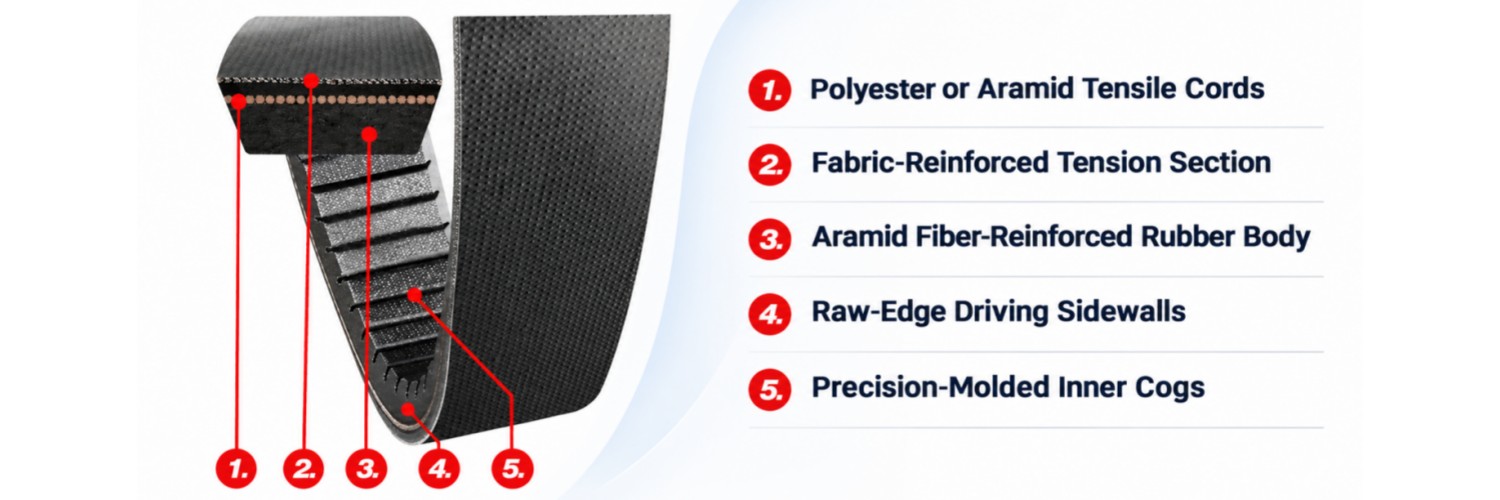
TRANSCO Industrial Variable Speed V-Belts feature a raw edge cogged construction designed for industrial variable-speed pulley systems. This molded-cogged, fiber-reinforced variable speed belt construction uses EPDM or CR rubber compounds, primarily aramid short-fiber reinforcement, and polyester or aramid tensile cords to combine structural stability with the flexibility required for variable-speed transmission.
1. Polyester or Aramid Tensile Cords: High-strength polyester or aramid tensile cords are embedded in the belt's load-carrying section to transmit tensile forces and control belt elongation. Polyester-cord variable speed belts provide strength and dimensional stability, while aramid-cord versions use high-modulus tensile reinforcement for lower elongation under demanding drive requirements.
2. Fabric-Reinforced Tension Section: The upper tension section supports the belt during repeated bending around variable-diameter pulleys. Where incorporated, a flexible fabric reinforcement helps maintain structural integrity and accommodates continuous flexing without excessively restricting belt movement.
3. Aramid Fiber-Reinforced Rubber Body: The compression section is made from EPDM or CR rubber compounds, primarily reinforced with aramid short fibers. This aramid fiber-reinforced rubber structure supports the tensile cords, provides transverse rigidity and helps resist deformation under the lateral pressure generated by adjustable pulley faces. Customers can specify EPDM or CR rubber variable speed belt constructions according to the operating environment.
4. Raw-Edge Driving Sidewalls: The exposed raw-edge rubber sidewalls form the belt's main power-transmitting surfaces. They make frictional contact with the angled faces of variable-diameter pulleys, supporting effective torque transmission and stable operation as the pulley working diameters change.
5. Precision-Molded Inner Cogs: Precisely molded transverse notches are formed along the inner surface of the belt. These cogs improve longitudinal bending flexibility, reduce bending stress around smaller pulley diameters and help limit heat buildup during repeated flexing.
Key Performance Features
TRANSCO Industrial Variable Speed V-Belts are engineered to combine high power transmission capacity, transverse rigidity and longitudinal flexibility in adjustable-diameter pulley systems. Our raw edge cogged construction, fiber-reinforced rubber compounds and low-stretch tensile cords are designed to support efficient, stable and reliable performance under changing operating speeds and transmission loads.
1. High Power Transmission & Improved Efficiency: The wide V-belt cross-section, aramid fiber-reinforced rubber body and high-strength tensile cords provide increased load-carrying capability for high-power variable-speed transmission compared with conventional V-belts in suitable variable-speed drives. Where incorporated, specially engineered fabric reinforcement helps maintain belt integrity during repeated flexing. Together, these structural elements support efficient power transfer and stable performance under demanding operating loads.
2. Precise Speed Control & Wide Drive Ratios: The belt adapts to changing effective pulley diameters and groove positions, allowing smooth speed adjustment across a wide operating range. Stable sidewall contact helps the adjustable-speed V-belt drive respond quickly and accurately to pulley adjustments, providing consistent speed control. Properly designed variable-speed systems can accommodate drive ratios of up to 1:12, depending on pulley geometry, belt specification and operating conditions.
3. High Transverse Rigidity & Structural Stability: Aramid short fibers reinforce the EPDM or CR rubber body, improving resistance to lateral compression from adjustable pulley faces. This high transverse rigidity and crosswise stability help the belt maintain its cross-sectional shape and reduce the risk of buckling, twisting or uneven deformation under changing loads. The reinforced structure maintains stability while accommodating the pulley diameter variations required for industrial speed control.
4. Excellent Longitudinal Flexibility & Bending Fatigue Resistance: Precision-molded inner cogs improve flexibility along the belt's running direction, reducing bending stress as the belt travels around smaller pulley diameters. The flexible rubber structure and specially designed fabric support, where used, help accommodate repeated bending cycles. This combination produces a flexible variable speed V-belt without unnecessarily compromising transverse rigidity, reducing fatigue-related damage during continuous variable-speed operation.
5. Strong Sidewall Grip & Slip Resistance: The exposed raw-edge rubber sidewalls provide direct frictional contact with the angled pulley faces. This slip-resistant variable speed belt construction improves gripping action and supports effective torque transfer as the pulley working diameters change. Consistent contact pressure and appropriate belt tension help minimize unwanted slippage and maintain reliable transmission response during acceleration, deceleration and load variations.
6. Smooth, Quiet & Low-Vibration Operation: The reinforced belt structure, stable tensile cords and consistent raw-edge pulley contact help minimize irregular belt movement during operation. Controlled contact with the pulley faces reduces excessive vibration and contributes to smooth, quiet running in variable-speed transmission. This is particularly beneficial for industrial machinery requiring stable rotational speeds and frequent mechanical speed adjustments.
7. Reduced Heat Buildup & Temperature Resistance: Molded inner notches reduce repeated bending stress and help limit heat generated by rapid flexing, particularly around smaller pulleys. The cogged profile also exposes additional surfaces that can assist heat dissipation. With suitable EPDM or CR compound selection, TRANSCO offers heat-resistant industrial variable speed belt options designed for operating temperatures from -30°C to +90°C, supporting consistent transmission performance across varying thermal conditions.
8. Wear, Ageing & Environmental Resistance: Our specially formulated EPDM and CR rubber compounds help improve wear resistance and limit deterioration caused by mechanical abrasion, environmental ageing, heat and repeated flexing. EPDM offers strong resistance to ozone, weathering and thermal ageing, while selected CR compounds provide moderate resistance to incidental contact with certain oils and greases. Compound selection is matched to the operating environment, and pulley contact surfaces should remain free from contamination.
9. Low-Stretch Reinforcement & Extended Service Life: High-strength polyester or aramid tensile cords help control belt elongation and maintain dimensional stability during continuous operation. Aramid cords provide particularly high tensile modulus for demanding load conditions. Combined with reinforced rubber compounds, fatigue-resistant construction and controlled flexing, these low-stretch reinforcements help reduce premature belt deterioration, limit unnecessary tension adjustments and extend service life under appropriate operating conditions.
10. Electrical Conductivity & Static Dissipation: TRANSCO offers antistatic industrial variable speed belt constructions for applications where electrostatic charge accumulation must be controlled. Suitable electrically conductive, static-dissipating compounds help dissipate charges generated during belt operation, reducing the potential for charge buildup and associated sparking hazards. Electrical resistance and antistatic suitability are verified according to the requirements of the specified belt and application.
11. Wide Size Range & Custom Profile Options: TRANSCO supplies industrial variable speed V-belts in a range of standard profiles and dimensions for different variable-speed pulley systems. In addition to standard specifications, we support customized top widths, belt heights, sidewall angles and belt lengths according to equipment requirements. These options help customers select compatible belts for new machinery, maintenance applications and replacement drives.
Technical Standards
① General Product Requirements: TRANSCO Industrial Variable Speed V-Belts are manufactured and inspected in accordance with GB/T 15327-2018 , the Chinese national standard specifying technical requirements for industrial variable-speed wide V-belts.
② W-Series Dimensions and Pulley Profiles: The cross-sectional dimensions and corresponding pulley groove profiles of W-series industrial variable speed belts comply with ISO 1604:1989 and DIN 7719-1:1985 , covering standardized wide V-belt dimensions and matching fixed- or variable-diameter pulleys. Applicable dimensions also follow relevant BS/DIN/ISO specifications.
③ V-Series Dimensions and Specifications: V-series variable speed belts are manufactured according to RMA IP-25 (1991) specifications, now maintained under ARPM IP-25 . Applicable RMA/MPTA profiles specify belt cross-sectional dimensions and corresponding variable-speed drive requirements.
④ Dimensional Uniformity and Measurement: Industrial variable speed belts comply with DIN 7719-2:1987 , which specifies the measurement of center-distance variations. This supports consistent belt dimensions and reliable matching with industrial variable-speed pulley systems.
⑤ Antistatic Performance: TRANSCO Industrial Variable Speed V-Belts meet the electrical conductivity requirements of ISO 1813 and GB/T 10715-2021 . These standards specify electrical resistance requirements and test methods for antistatic transmission belts, including industrial wide V-belts, to help dissipate accumulated electrostatic charges during operation.
Specifications
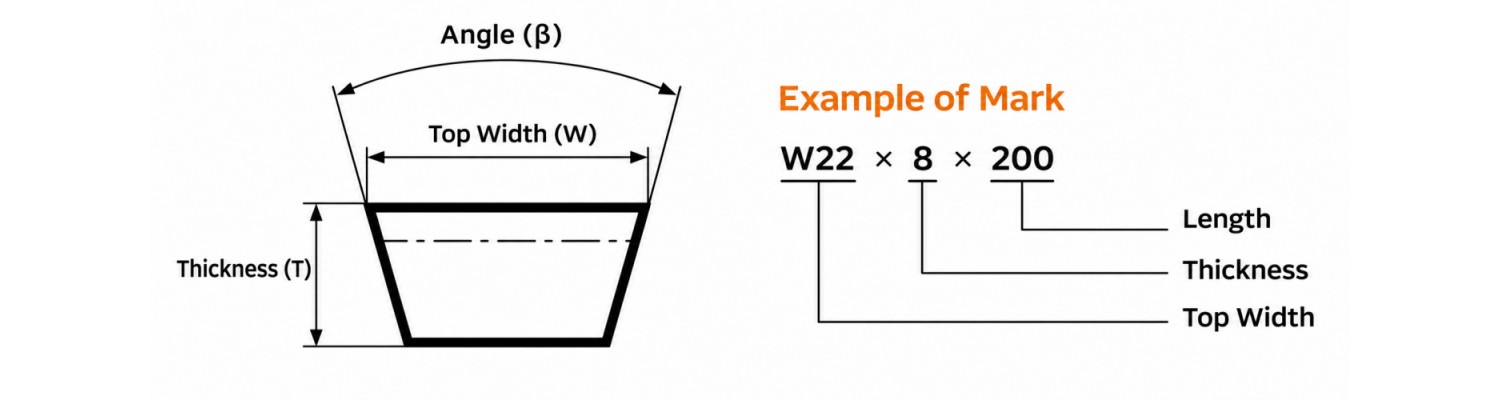
TRANSCO supplies Industrial Variable Speed V-Belts in a wide range of metric W-series and RMA-type V-series profiles for industrial variable-speed transmission systems. Standard dimensions and customized specifications are available to accommodate different pulley configurations, equipment requirements and replacement applications. The two profile tables support variable speed belt sizing, but the original belt length convention and pulley groove angle must also be checked.
| Belt Profile | Top Width (mm) | Belt Height (mm) | Belt Angle (°) |
| W16 | 17 | 6 | 28 |
| W20 | 21 | 7 | 28 |
| W25 | 26 | 8 | 28 |
| W31.5 | 33 | 10 | 28 |
| W40 | 42 | 13 | 28 |
| W50 | 52 | 16 | 28 |
| W63 | 65 | 20 | 28 |
| W80 | 83 | 26 | 28 |
| W100 | 104 | 32 | 28 |
| Belt Profile | Top Width (mm) | Belt Height (mm) | Belt Angle (°) |
| 1022V | 16 | 6 | 22 |
| 1228V | 19 | 7 | 28 |
| 1330V | 21 | 8 | 30 |
| 1422V | 22 | 8 | 22 |
| 1426V | 22 | 9 | 26 |
| 1430V | 22 | 9 | 30 |
| 1526V | 24 | 9 | 26 |
| 1528V | 24 | 9 | 28 |
| 1622V | 25.4 | 8 | 22 |
| 1626V | 25.4 | 9 | 26 |
| 1628V | 25.4 | 7 | 28 |
| 1822V | 28.5 | 8 | 22 |
| 1922V | 30 | 11 | 22 |
| 1926V | 30 | 11 | 26 |
| 2322V | 36.5 | 12 | 22 |
| 2530V | 40 | 15 | 30 |
| 2926V | 46 | 14 | 26 |
| 3226V | 51 | 13 | 26 |
| 3230V | 51 | 16 | 30 |
| 4036V | 64 | 18 | 36 |
| 4430V | 70 | 17 | 30 |
| 4436V | 70 | 18 | 36 |
| 4836V | 76 | 22 | 36 |
| 6236V | 100 | 26 | 36 |
For accurate industrial variable speed belt replacement or custom manufacturing, customers should confirm the original belt designation, cross-sectional dimensions, length reference and pulley specifications. Variable speed belt length measurement should distinguish inside, outside, datum, pitch and effective lengths where applicable. TRANSCO supports customized top widths, belt heights, angles and lengths according to the required drive configuration.
Industrial Variable Speed V-Belt Applications
TRANSCO Industrial Variable Speed V-Belts are used in mechanical variable-speed transmission systems across industrial machinery, manufacturing equipment and selected specialized applications. Our raw edge cogged variable speed belts are available for OEM equipment, industrial maintenance and replacement requirements where adjustable-diameter pulley drives are used.
|
|
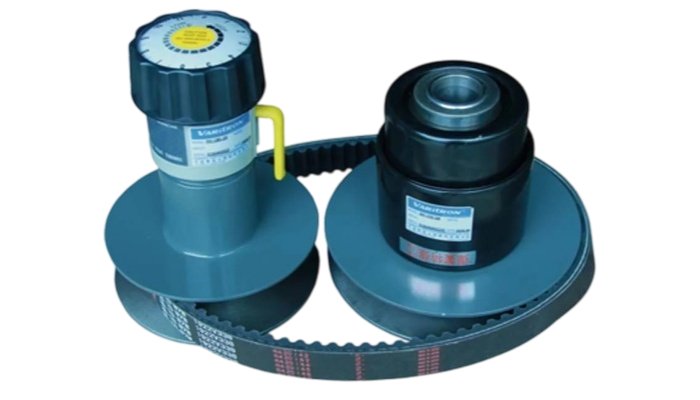
Industrial Machinery – Special-Purpose Drive Systems |
Variable Speed Drives – Compact Speed-Changing Units |
|
Industrial variable speed V-belts are used in specialized machinery requiring adjustable rotational speeds and controlled mechanical power transmission. These applications include custom-built industrial equipment and production machines equipped with mechanical variators or adjustable pulley drives; the belt must match the pulley arrangement of each mechanical variator. TRANSCO supplies variable speed belts for industrial machinery with suitable cross-sectional dimensions, belt lengths and pulley compatibility. Belt selection considers transmission loads, operating speed ranges and the specific drive arrangement. |
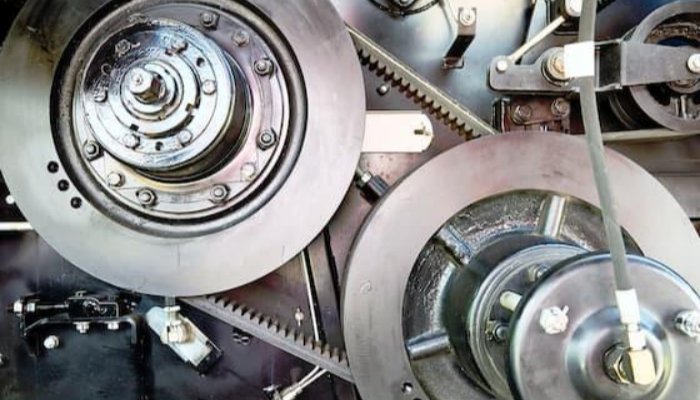
Compact industrial variable speed drives use adjustable-diameter pulley systems to change output speed without requiring a change in motor speed. These mechanical variators are used where equipment needs adjustable operating speeds within a relatively space-efficient transmission arrangement. Our industrial variator belts are designed for compatible compact variable speed drive units. A compact variable speed drive belt must match the pulley geometry, working diameter range and belt dimensions to achieve reliable mechanical speed adjustment. |
|
|
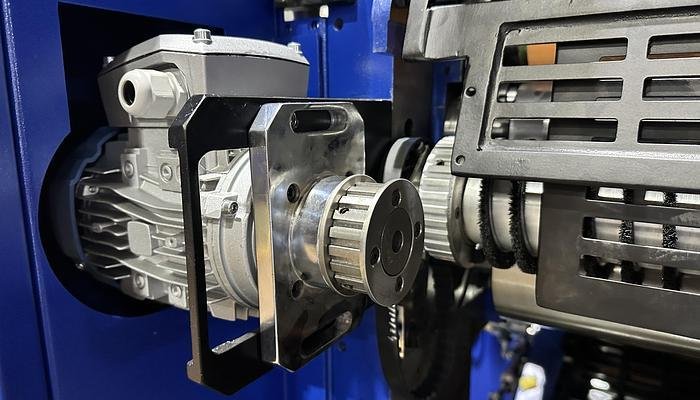
Printing Machinery – Multi-Colour Offset Press Drives |
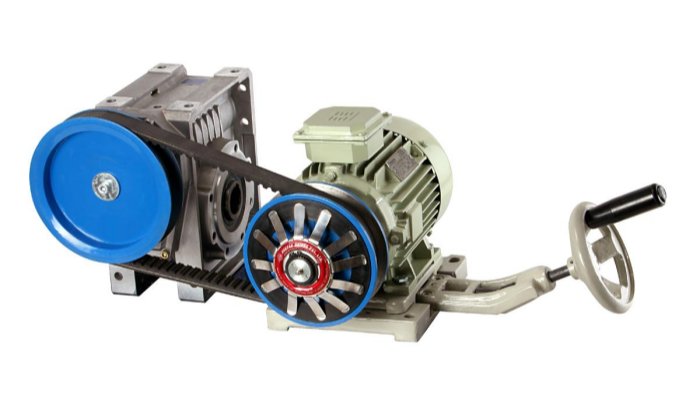
Gearboxes – Variable-Diameter Pulley Sets |
|
Selected multi-colour offset printing machines use mechanical variable-speed belt drives to regulate the speed of specific transmission components. These drives require consistent speed adjustment and stable operation to support coordinated mechanical movement during printing processes. TRANSCO provides variable speed V-belts for printing machinery where compatible adjustable pulley systems are installed. For a printing press variable speed belt replacement, selection considers the original belt profile, operating speed, pulley configuration and the requirements of the printing equipment. |
Mechanical variable-speed gearboxes and speed-changing transmission units may incorporate adjustable-diameter pulley sets to achieve continuously variable output ratios. The belt transfers power between the driving and driven pulleys as their effective diameters change. TRANSCO supplies wide variable speed V-belts for variable-diameter pulley systems, supporting applications that require specific belt widths, heights, sidewall angles and lengths. Correct matching of the belt with variable-speed pulley groove geometry is essential for reliable transmission. |
|
|
Agricultural Machinery – Thresher Drum Drives |
Textile Machinery – Winding Equipment |
|
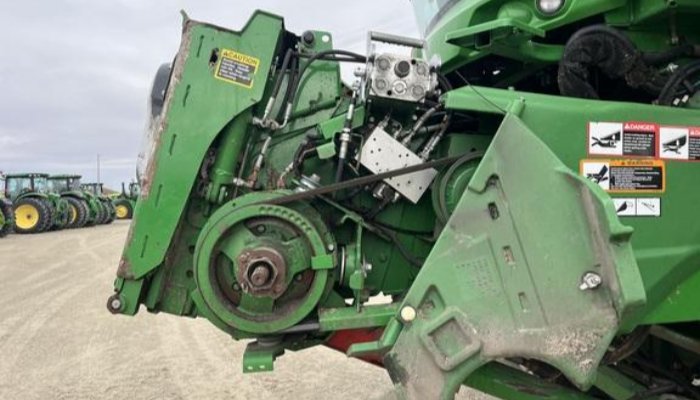
Selected agricultural threshing machines and combine harvesters use variable-speed pulley drives to adjust threshing drum rotational speed according to crop conditions and processing requirements. These mechanical systems may experience fluctuating loads, dust exposure and repeated speed adjustments during operation. Our variable speed drive belts for agricultural machinery can be specified for compatible threshing drum transmissions. A thresher drum variable speed belt replacement requires confirmation of the original belt construction, cross-section, length and pulley arrangement, as agricultural equipment may use different belt designs. |
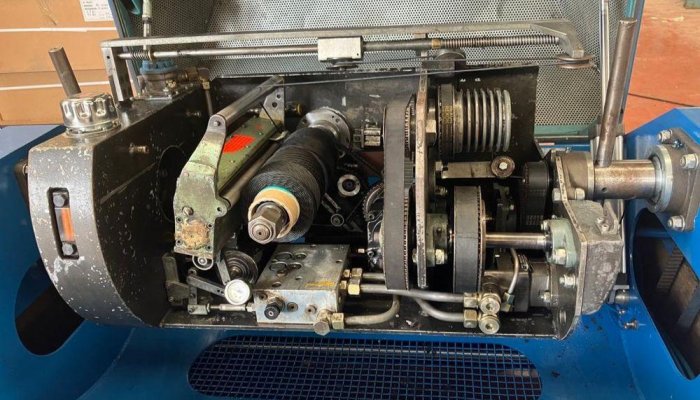
Textile winding machines may use mechanical variable-speed transmissions to adjust winding shaft or roller speeds during yarn and textile processing. These applications require controlled rotational movement to accommodate different production settings and winding operations. TRANSCO supplies industrial variable speed belts for textile winding machinery equipped with compatible mechanical variators. For textile winding machinery, variable speed belt selection considers the drive configuration, operating speed range, pulley dimensions and continuous-duty requirements of the winding equipment. |
|
|
Machine Tools – Industrial Lathe Drives |
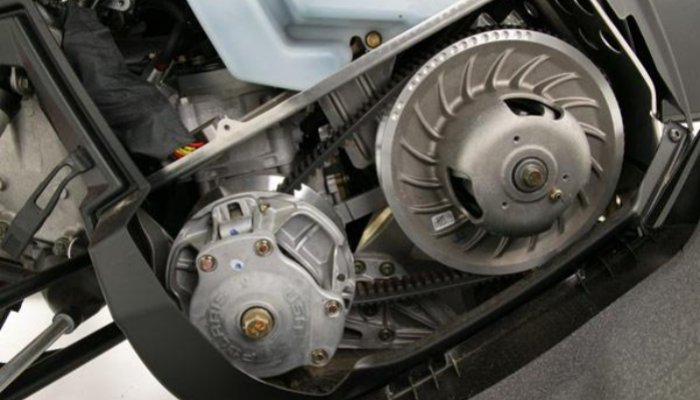
Automotive Technology – Snowmobile Variable-Speed Drives |
|
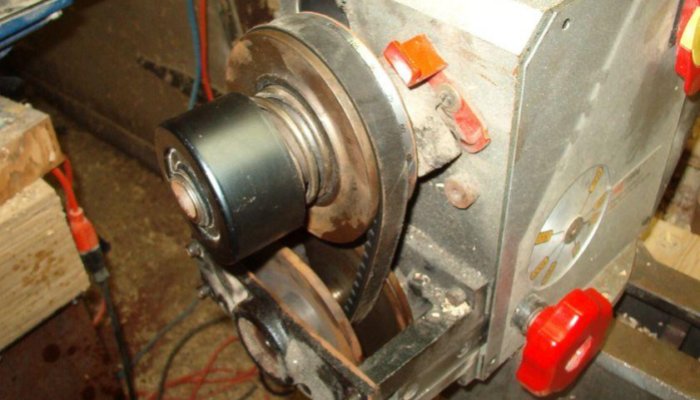
Industrial lathes and selected machine tools use mechanical variable-speed pulley drives to adjust spindle speed for different machining operations, workpiece materials and cutting conditions. These systems allow operators to change rotational speed through a mechanical variable-speed transmission. TRANSCO provides variable speed V-belts for lathes and machine tool drives, including compatible replacement applications. We evaluate the original belt model, pulley groove dimensions, required speed range and machine specifications to identify suitable belt profiles. Reeves-style lathe drive replacements also depend on the actual variator and pulley configuration. |
Snowmobiles commonly use continuously variable transmissions to adjust drive ratios as engine speed and operating loads change. These belt-driven systems must accommodate repeated speed changes, acceleration loads and variable operating temperatures. Snowmobile CVT drive belts represent a specialized variable-speed transmission application. Belt construction, dimensions and performance requirements differ by vehicle and transmission design. Compatibility must therefore be confirmed against the original equipment specifications rather than assumed from standard industrial variable speed belt dimensions. |
Custom Manufacturing, Packaging & Supply
As an industrial variable speed belt manufacturer and variable speed V-belt supplier in China, TRANSCO supplies raw edge cogged industrial variable speed V-belts for OEM production, equipment maintenance, replacement markets and international industrial distributors. Our factory supports standard profile orders and customized belt specifications based on customer drawings, samples and transmission requirements.
Custom Sizes & OEM Replacement
In addition to standard W-series and V-series profiles, TRANSCO supports custom industrial variable speed belts with application-specific top widths, belt heights, sidewall angles and lengths, including custom variable speed V-belt profiles for compatible drive designs.
Customers can submit original belt part numbers, dimensional drawings or physical samples for specification review. Rubber compound and tensile cord options can also be selected according to the required operating conditions.
For non-standard designs, production feasibility, tooling requirements, minimum order quantities and sample arrangements are confirmed before manufacturing.
Bulk Orders & Industrial Supply
We support industrial equipment manufacturers, maintenance suppliers, machinery parts distributors and wholesale buyers requiring consistent belt specifications across repeat orders. For wholesale and bulk variable speed belt orders, we review the requested profiles and quantities before confirming supply arrangements.
For OEM variable speed belt replacement and cross-reference requests, TRANSCO reviews the original product identification and dimensional requirements before confirming a compatible specification. Order quantities, production schedules and technical documentation can be coordinated according to the purchasing requirements.
Packaging & International Shipping
TRANSCO provides export-oriented packaging and international shipment support for industrial variable speed belts. Packaging arrangements are reviewed according to belt dimensions, order quantity, shipment method and customer requirements.
Custom labeling, product identification, carton specifications and pallet arrangements can be discussed during order confirmation. We aim to protect belts against excessive deformation, contamination and handling damage throughout storage and transportation.
Frequently Asked Questions
Before replacing a W-series belt with a V-series profile, or vice versa, the complete cross-section, length reference and pulley groove dimensions must be checked; an apparent variable speed belt equivalent is not necessarily interchangeable. TRANSCO recommends confirming the original belt specification rather than selecting a replacement based on width alone.
We also review Continental references and other variable speed belt cross-reference requests based on original brand part numbers, belt cross-sectional dimensions, length specifications and pulley configurations. Customers can provide the original belt model, photographs or technical drawings to help us identify and supply a suitable replacement.
Some equipment models have different drive configurations, production revisions or replacement part specifications. TRANSCO recommends providing the complete machine model, available OEM belt number and photographs of the installed transmission. Additional belt or pulley measurements may be required before confirming compatibility.
The difference may also result from comparing inside, outside, datum, pitch or effective lengths, which are not identical measurements. For example, a belt's pitch length is not the same measurement as its outside circumference.
For accurate replacement, the original length marking and measurement convention should be confirmed. A worn belt's circumference alone should not be treated as the final manufacturing dimension.
First, compare the replacement belt's top width, height and specified angle with the original profile, including the specified belt and pulley groove angles. Then inspect the pulley for wear or damage and check the belt position at the specified pulley setting.
A new belt should not be assumed compatible simply because it fits around the pulleys.
The achievable transmission ratio is determined primarily by the variable-diameter pulley design, available pulley movement, belt dimensions and drive geometry. An incorrect belt length can restrict pulley travel, reduce proper contact or cause excessive tension.
Any proposed speed-range modification should be evaluated against the complete drive design rather than treated as a simple belt replacement.
If slipping occurs after installation, inspect the pulley grooves, belt position and tensioning mechanism before assuming the replacement belt is defective. Follow the equipment manufacturer's adjustment procedure and avoid using belt dressings to compensate for a mechanical problem.
Unusual vibration, increasing operating temperature and loss of speed stability may also indicate a transmission problem.
There is no universal replacement interval for every industrial variable speed belt. Inspection frequency and replacement decisions should reflect operating hours, load conditions and the equipment manufacturer's maintenance recommendations.
The minimum order quantity, sample availability, tooling requirements, variable speed belt pricing and production lead time depend on the requested dimensions, existing manufacturing capabilities and order quantity.
For an industrial variable speed belt quotation, please provide the required specifications and estimated purchasing quantity so we can assess production feasibility and confirm the applicable price and delivery arrangements.
For storage, keep unused belts in a cool, dry and ventilated area away from direct sunlight, ozone-generating equipment, oils, solvents and excessive heat. Avoid sharp folding, excessive stacking pressure or hanging belts over narrow supports that may permanently deform the belt.