Motorcycle Variable Speed Belt
Our motorcycle CVT belts feature EPDM rubber compounds, polyester or high-tensile aramid cords, and selected aramid-fiber-reinforced constructions. With a wide range of sizes and OEM replacement references for popular motorcycle brands, including Honda, Yamaha, Suzuki and Kymco, TRANSCO supports standard replacement requirements and custom belt specifications.
Key Features:
- Single & Double Cog Designs
- High Lateral Pressure Resistance
- Smooth CVT Ratio Changes
- Excellent Bending Flexibility
- Wear & Heat Resistance
- OEM Replacement & Custom Sizes
What Is a Motorcycle CVT Drive Belt?
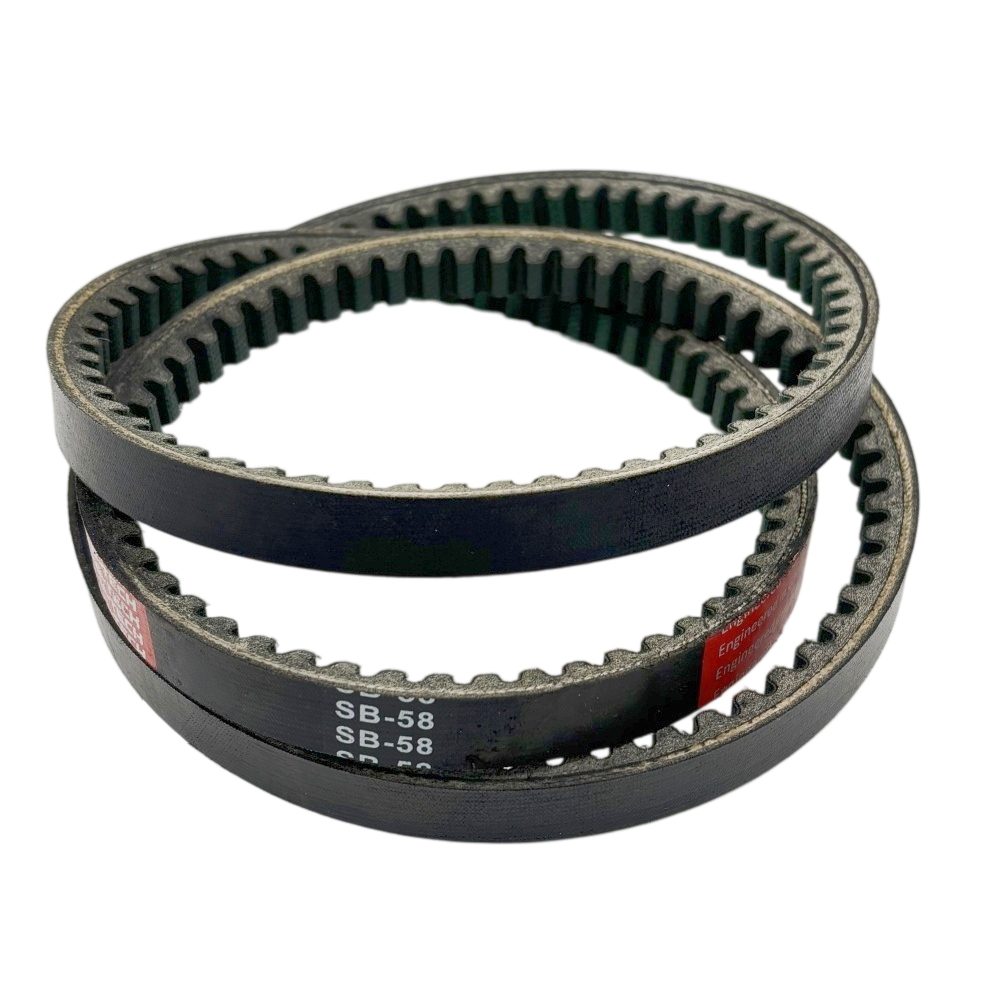
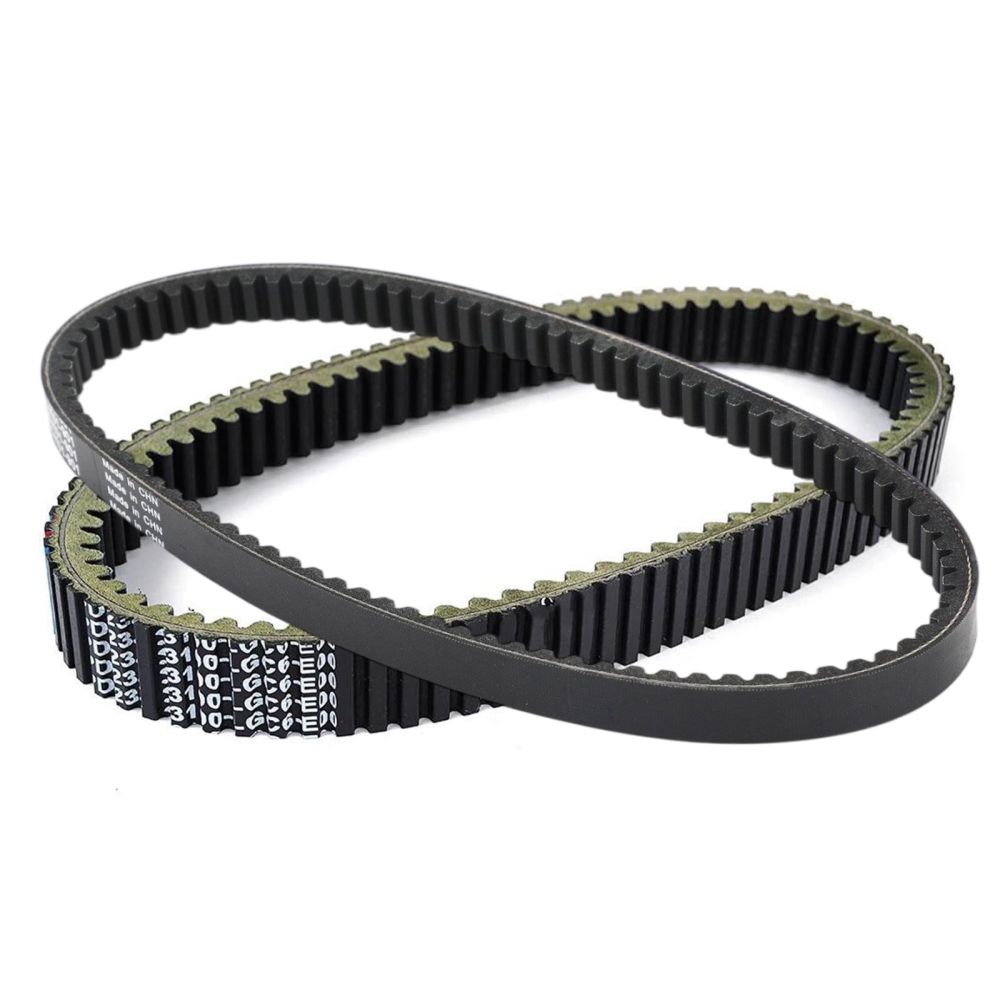
A Motorcycle CVT Drive Belt, also called a Scooter CVT Belt, Motorcycle Variable Speed Belt or Scooter Drive V-Belt, is a reinforced rubber friction belt used in continuously variable transmission (CVT) systems. TRANSCO manufactures both Single Cog CVT Belts and Double Cog CVT Belts for suitable scooters, automatic motorcycles and powersports CVT drives.
In a motorcycle CVT system, the belt runs between a driving variator pulley and a driven pulley. As the movable pulley faces shift, their effective working diameters change. The belt moves to different positions in the V-shaped pulley grooves, continuously changing the transmission ratio as the vehicle accelerates or decelerates. Unlike a toothed synchronous belt, a motorcycle CVT V-belt transmits power through friction at its angled sidewalls. Their cogged profiles are designed to improve bending flexibility rather than engage with toothed pulleys.
A CVT belt must therefore combine resistance to lateral pressure, bending flexibility, tensile strength and dimensional stability. It also needs resistance to sidewall wear and the ability to withstand repeated flexing, changing loads and operating temperatures. Our single-cog and double-cog designs address these requirements through their notch profiles, rubber compounds, reinforced body structures and tensile cords.
Construction and Materials
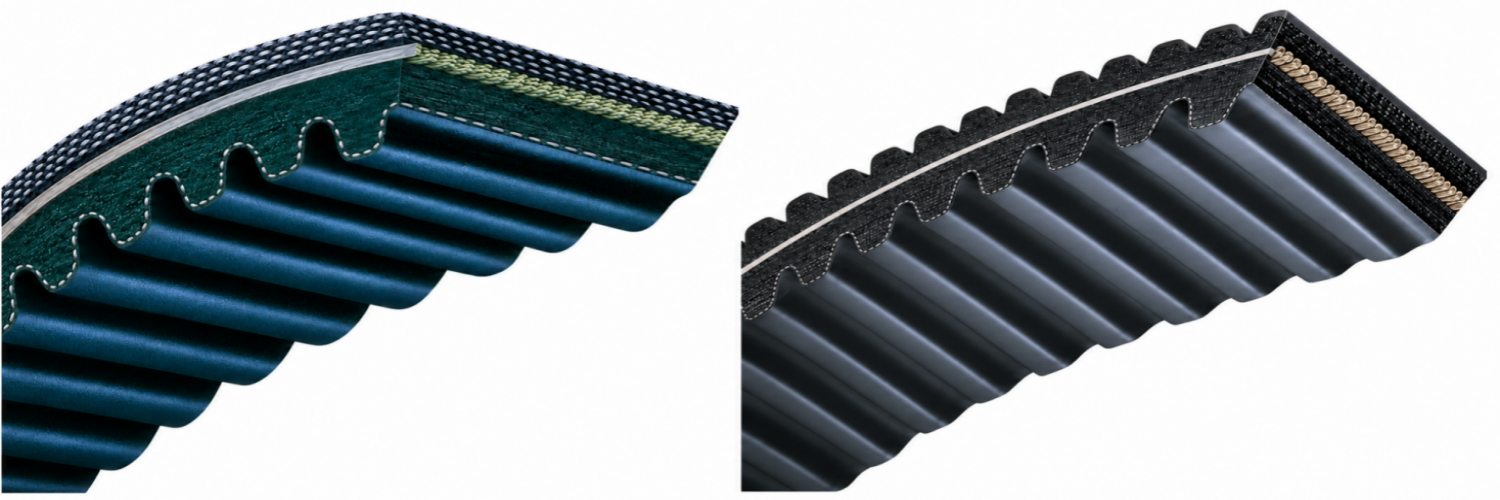
TRANSCO Motorcycle CVT Drive Belts feature reinforced rubber constructions designed to provide bending flexibility, lateral pressure resistance and stable power transmission. The internal layer arrangement varies according to the single-cog or double-cog design and the required material specification, with different reinforcement and surface configurations available for specific CVT applications.
Rubber Body – EPDM and Reinforced Rubber Compounds
Our EPDM (ethylene propylene diene monomer) rubber options provide an elastic belt body with resistance to heat, ozone and environmental ageing. The rubber compound also helps the belt resist lateral compression and deformation under pulley side pressure while maintaining resistance to frictional wear along the V-shaped sidewalls. Selected heavy-load constructions can use an aramid fiber-loaded ethylene elastomer, in which short aramid fibers reinforce the rubber matrix to improve transverse stiffness, heat resistance and resistance to deformation under high loads and peak torque. This short-fiber reinforcement is distinct from the continuous tensile cords described below.
Tensile Cords – Polyester or Aramid
We offer polyester tensile cords and high-tensile aramid cords, depending on the belt design and operating requirements. Polyester cords provide tensile reinforcement suitable for selected standard scooter or smaller-engine applications. Aramid cords provide high tensile strength, controlled elongation and improved resistance to acceleration shocks, fluctuating torque and repeated fatigue loading in more demanding CVT applications. Both cord options help maintain belt dimensional stability during continuous operation, while the specific material is selected according to the transmission requirements.
Adhesion Rubber – Bonding the Belt Structure
A specially formulated adhesion gum supports bonding between the tensile cord system and adjacent rubber components. Consistent bonding helps the belt maintain structural integrity under continuous flexing, lateral compression and cyclic transmission loads, reducing the risk of layer separation and contributing to long-term durability.
Tooth Geometry – Trapezoidal Notches and Rounded Bottom Cogs
The single-cog design features a trapezoidal V-belt cross-section with rounded notches along the inner belt surface. These notches improve bending flexibility and help the belt operate around relatively small pulley diameters. The double-cog design features notches on both sides, with a trapezoidal top-cog profile and rounded bottom cogs in the specified construction. The combination of upper and lower cog geometry helps balance bending flexibility with resistance to lateral deformation, supporting stable operation under changing CVT transmission ratios and loads. The rounded lower profile and controlled notch geometry also help accommodate repeated flexing and support heat dissipation during belt operation.
Fabric / Rubber Composite and Optional Fabric Cog Jacket
Depending on the selected construction, a fabric or fabric–rubber composite layer may reinforce and protect specific regions of the belt, contributing to structural stability and resistance to repeated mechanical loading. An optional fabric cog jacket can be incorporated where the belt specification requires additional tooth-surface abrasion resistance and smoother shifting performance. The fabric arrangement and coverage are determined by the specific single-cog or double-cog construction and its intended operating requirements.
Single Cog vs Double Cog Motorcycle CVT Belts
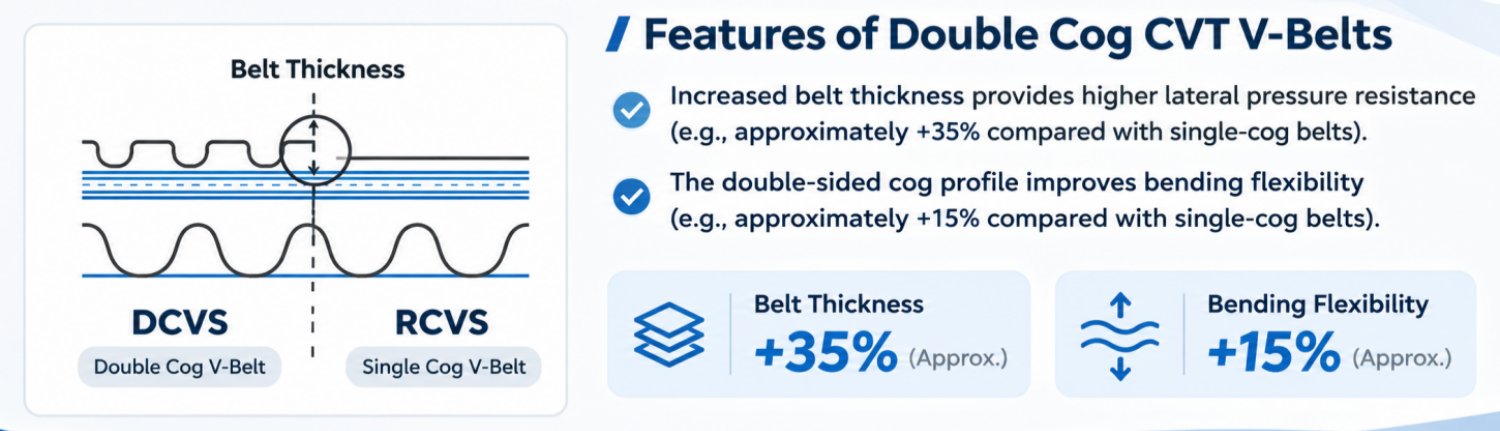
TRANSCO manufactures both Single Cog CVT Belts and Double Cog CVT Belts for different motorcycle and scooter continuously variable transmission systems. Both designs provide the flexibility and lateral pressure resistance required for frictional power transmission, while their different cog configurations help meet specific operating loads, pulley geometries and transmission requirements.
| Comparison | Single Cog CVT Belt | Double Cog CVT Belt |
|---|---|---|
| Belt Profile | Inner-side notches with a relatively smooth outer back | Notches on both inner and outer surfaces |
| Notch Geometry | Rounded bottom cogs | Trapezoidal top cogs with rounded bottom cogs |
| Main Design Emphasis | Bending flexibility and lateral pressure resistance | Combined bending flexibility and resistance to lateral deformation, with options for higher loads |
| Tensile Reinforcement | Polyester or aramid cords, depending on specification | Polyester or aramid cords, depending on specification |
| Reference Temperature Range | -40°C to +120°C | -40°C to +130°C |
| Typical Applications | Conventional scooter and automatic-motorcycle CVT systems | Selected maxi-scooter and higher-load CVT systems, including compatible powersports vehicles |
Temperature ranges refer to the specified TRANSCO belt constructions and are not determined by cog configuration alone.
Single Cog CVT Belt
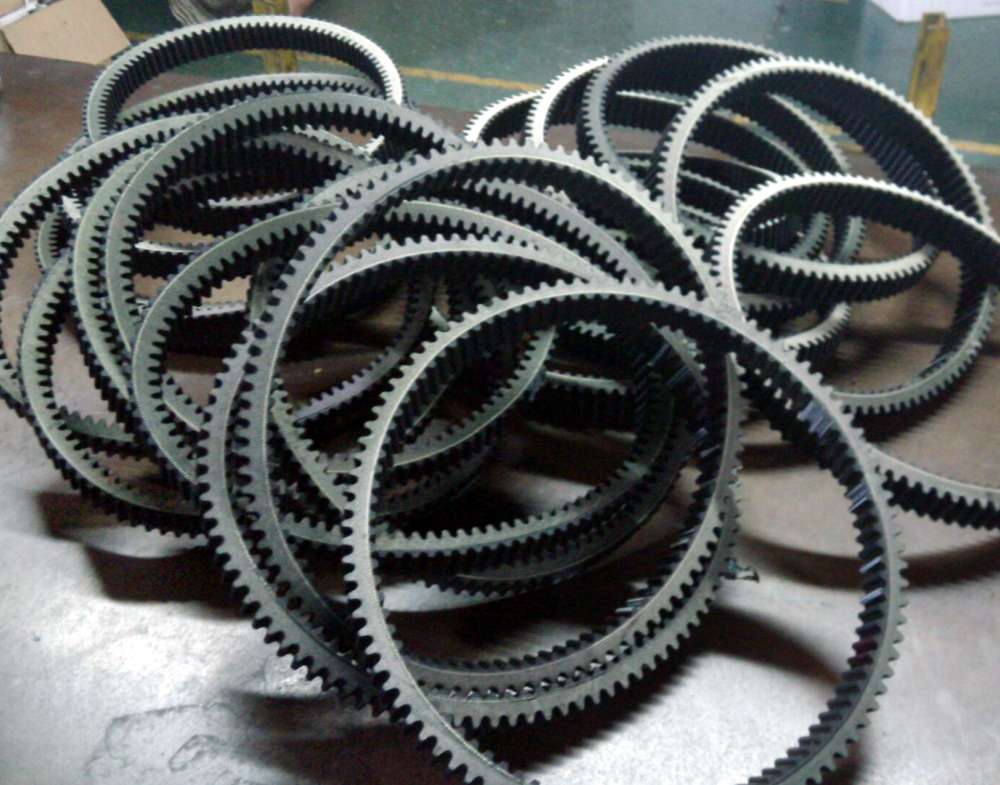
The Single Cog Motorcycle CVT Belt, also known as a Raw Edge Cogged Variable Speed V-Belt or Single Notch CVT Belt, features transverse notches on its inner surface and a relatively smooth outer back. The rounded inner cogs improve bending flexibility, allowing the belt to accommodate changing pulley diameters and a wide range of CVT speed ratios. Its reinforced rubber body provides the lateral support required for stable frictional power transmission, making this design suitable for various conventional scooter and automatic-motorcycle CVT applications.
Double Cog CVT Belt
The Double Cog Motorcycle CVT Belt, also called a Double Notch CVT Belt or Double Cogged Variable Speed V-Belt, features transverse notches on both its inner and outer surfaces. The combination of trapezoidal top cogs and rounded bottom cogs helps balance bending flexibility with resistance to lateral deformation. This construction can be optimized for higher transmission loads while maintaining flexibility around changing pulley diameters, making it suitable for selected maxi-scooters and demanding CVT applications.
Structural Design and Belt Selection
The main structural difference lies in the arrangement of the cog profiles. Single-cog belts improve bending flexibility through inner-side notches, while double-cog designs use notches on both surfaces to help balance flexibility and transverse support. Single-cog and double-cog CVT belts are not automatically interchangeable. The appropriate design must match the original transmission configuration, pulley geometry, belt dimensions, operating load and required material specification.
Key Performance Features and Standards
High Lateral Pressure Resistance and Compression Stability
Motorcycle CVT belts withstand continuous lateral clamping forces from the adjustable V-shaped pulley faces. Their reinforced construction helps resist excessive sidewall deformation under varying transmission loads, maintaining the cross-sectional stability required for effective frictional power transfer and reliable operation during acceleration and high-torque conditions.
Smooth Speed-Ratio Changes and Stable Power Transmission
As the variator and driven pulley change their effective diameters, the CVT belt must continuously adjust its running position. Accurate belt geometry and controlled dimensional stability help the belt follow these changes smoothly, supporting consistent power transfer, stable speed-ratio transitions and responsive CVT operation during acceleration and deceleration.
Small-Pulley Flexibility and Wide Speed-Ratio Adaptability
The rounded inner cogs of single-cog belts and the additional outer cogs of double-cog designs improve flexibility as the belt bends around small pulley diameters. This allows the belt to accommodate changing pulley radii and a wide range of CVT transmission ratios while retaining the lateral support required for power transmission.
Acceleration Shock and Fluctuating Torque Resistance
Frequent starts, rapid acceleration and changing engine loads subject motorcycle CVT belts to repeated tensile forces and torque fluctuations. Their load-bearing construction helps control elongation and withstand transient shock loads, supporting consistent belt operation during acceleration, deceleration and demanding transmission conditions.
V-Sidewall Abrasion Resistance
Unlike synchronous belts, motorcycle CVT belts transmit power through friction between their angled sidewalls and the pulley faces. Repeated contact and changes in running position create continuous wear demands. The abrasion-resistant working surfaces help limit material loss and preserve the belt's V-shaped profile, supporting consistent pulley contact throughout service.
Thermal Stability Under Repeated CVT Operation
Frictional contact, repeated bending and frequent speed-ratio adjustments generate heat during CVT operation. The belt is designed to withstand these thermal demands while maintaining the flexibility and compression resistance required for effective power transmission. Thermal stability is particularly important during prolonged operation, repeated acceleration and higher-load conditions.
Low-Noise Operation and Stable Running
Controlled belt geometry, flexible cog profiles and consistent frictional contact between the belt sidewalls and pulley faces help support smooth CVT operation with reduced vibration and operating noise. Both single-cog and double-cog designs are intended to run steadily during speed-ratio changes, while actual noise levels also depend on pulley condition, alignment and operating loads.
Repeated Speed-Ratio Cycling and Flex-Fatigue Durability
Motorcycle CVT belts undergo continuous bending and straightening as the transmission repeatedly changes its speed ratio. Frequent stop-start riding and changing loads place additional fatigue demands on the belt. Its reinforced construction is designed to maintain structural integrity and resist fatigue-related deterioration during repeated operating cycles, supporting long-term transmission reliability.
Motorcycle CVT Belt Standards
TRANSCO manufactures Single Cog and Double Cog Motorcycle CVT Drive Belts in compliance with GB/T 18860-2015 , the Chinese national product standard specifically developed for motorcycle variable-speed V-belts. Our motorcycle CVT belts also meet the applicable requirements of relevant Chinese and international testing standards. We apply standardized testing methods to evaluate tensile properties, heat ageing resistance, abrasion resistance, ozone resistance and bonding performance, ensuring consistent product quality and reliable transmission performance.
Specifications / OEM References
Motorcycle Variable Speed Belt Cross-Section Dimensions
The VS sections above describe cross-sectional dimensions, not a complete scooter belt part number. The correct belt must also be identified by belt length and its measuring convention, single- or double-cog profile, rubber/cord specification, original part reference and vehicle application. Common length descriptors include outside circumference and effective length; these must not be mixed without a stated measurement basis.
| Model | Top Width (mm) | Belt Height (mm) | V-Angle (°) |
|---|---|---|---|
| VS15 | 15 | 8.5 | — |
| VS15.5 | 15.5 | 8.5 | — |
| VS16.5 | 16.5 | 8.5 | 28° |
| VS17 | 17 | 8.5 | 30° |
| VS18 | 18 | 8.5 | 32° |
| VS19 | 19 | 10.0 | — |
| VS20 | 20 | 10.0 | — |
| VS22 | 22 | 11.0 | — |
OEM Part Number and Size Identification
TRANSCO supplies Motorcycle CVT Drive Belts in a wide range of sizes and OEM replacement specifications for scooters, automatic motorcycles and compatible CVT transmission systems.
The following Motorcycle CVT Belt Size Chart and OEM Cross-Reference Table includes replacement belt references for popular motorcycle brands such as Honda, Yamaha, Suzuki, Kymco, SYM, PGO and Piaggio. Each listing provides the corresponding OEM reference number, compatible motorcycle models and belt dimensions, including length, top width, V-angle and height.
| OEM No. | Genuine Part No. | Motorcycle Model | Length | Top Width | Angle (°) | Height |
| VBJ-101H | 23100-GG2-751 |
SP DIO 50
SUPER Dio 50 (3J/4J not applicable)[AF27] |
641mm | 15.5mm | 30 | 8mm |
| VBJ-102H | 23100-GR1-753 |
GYRO CANOPY(TC50M)[TA02]
SUPER Dio ZX 50 (3J/4J)[AF28] DJ-1R(6PS)50 (H/H-YB)[AF12] |
651mm | 18mm | 30 | 8mm |
| VBJ-103H | 23100-GW2-013 |
LEAD 50 (F.No.1022348~)[AF20]
CABINA 50 (F.No.1022348~)[AF33] Shadow 50 (F.No.1022348~)[AF42] |
691mm | 18mm | 30 | 8mm |
| VBJ-104H | 23100-GAG-J52 |
GP DIO ZX 50
LIVE Dio ZX 50 (YB/YC/YD/3J/5J)[AF35] |
658mm | 18.2mm | 30 | 8mm |
| VBJ-105H | 23100-GW3-013 |
LEAD 90 [HF05]
JOKER 90 [HF09] Yuppy 90 [HF02] |
723mm | 17.5mm | 28 | 8.5mm |
| VBJ-106H | 23100-KFG-003 |
Big Ruckus
PS250 FORZA250(early models)[MF06] |
935mm | 23.3mm | 30 | 10.5mm |
| VBJ-107H | 23100-GCS-003 | LEAD 50 [AF48] | 738mm | 18.2mm | 30 | 8mm |
| VBJ-108H | 23100-KM1-671 |
SPACY 250 [MF01]
HELIX 250 [MF02] FUSION 250 [MF02] |
828mm | 22.5mm | 30 | 10mm |
| VBJ-109H | 23100-GEZ-003 |
RUCKUS 50 [4ST]
ZOOMER 50 [4ST] |
787mm | 18.2mm | 30 | 8mm |
| VBJ-110H | 23100-GET-003 | SMART DIO 50/DX/Z4 | 659mm | 18.1mm | 30 | 8mm |
| VBJ-111H | 23100-GFC-890 | Today(AF61/67) | 660mm | 18.9mm | 30 | 8.5mm |
| VBJ-112H | 23100-GY6-901 | / | 743mm | 20mm | 30 | 9.5mm |
| VBJ-113H | 23100-KFH-003 |
LEAD 100
[JF06(NH100W/NH100X)] |
771.4mm | 18.5mm | 30 | 8.5mm |
| VBJ-114H | 23100-GFM-890 | / | 737.5mm | 18.5mm | 30 | 8.5mm |
| VBJ-115H | 23100-GCC-771 | SPACY 100 [JF13/FJ13] | 722mm | 18.5mm | 30 | 8.5mm |
| VBJ-116H | 23100-KWN-901 |
PCX 125
Sh mode 125[JF51] [JF51] LEAD 125[JF45] [JF45] |
815mm | 21.9mm | 30 | 10mm |
| VBJ-117H | 23100-GFZ-003 |
GYRO CANOPY [4ST] [TA03A]
GYRO X 50[4ST] |
658.5mm | 18.3mm | 30 | 8mm |
| VBJ-118H | 23100-KZL-931 | / | 782.5mm | 18.3mm | 30 | 8.5mm |
| VBJ-119H | 23100-GGM-901 | / | 715.5mm | 18.9mm | 30 | 8mm |
| VBJ-120H | 23100-GFC-901 | GIORNO 50[4ST] [AF70] | 658mm | 18.6mm | 30 | 8.5mm |
| VBJ-121H | 23100-KZY-701 | / | 820mm | 22mm | 30 | 10mm |
| VBJ-122H | 23100-KZR-601 | / | 815.5mm | 22mm | 30 | 10mm |
| VBJ-201Y | 3KJ-17641-00 |
JOG 50 [3KJ(1-4/6/8)]
JOG Z/EX 50 [3YK(1-3/5)] JOG APRIO /SP 50 [4JP(1-6)] |
782mm | 16.8mm | 28 | 8mm |
| VBJ-203Y | 4JP-17641-00 |
SUPER JOG ZR 50 [3YK(9/A/B)]
Vino/CLASSIC 50 [5AU(A-F)] JOG/Z-Ⅱ 50 [5EM(1-3)] |
787mm | 16.7mm | 28 | 8mm |
| VBJ-204Y | 5CG-17641-00 |
MAJESTY 250 [5GM(1-8)]
MAJESTY 250 SV/ABS [5CG(1-4)] MAJESTY 250 [4HC(5)] |
851mm | 22.3mm | 28 | 11.5mm |
| VBJ-205Y | 5DS-17641-00 |
SR125
MAJESTY 125/150 TEO'S 125/150 MAXSTAR 125/150 |
817mm | 21.9mm | 28 | 9.5mm |
| VBJ-206Y | 5FA-17641-00 |
GRAND AXIS 100
AEROX100 NEO's100 BW'S100 RX100 |
758mm | 17.5mm | 28 | 8.5mm |
| VBJ-207Y | 5ML-17641-00 |
FLAME X125
CYGNUS X125 |
780mm | 21.9mm | 28 | 9.5mm |
| VBJ-208Y | 10B-E7641-00 |
GEAR 50 10BT-1-3
BW'S50 10BT-1-3 ZUMA50F 10BT-1-3 |
786.5mm | 17.9mm | 28 | 8mm |
| VBJ-209Y | 4KN-17641-00 | GEAR 4KN | 739mm | 16.2mm | 28 | 9mm |
| VBJ-210Y | 3WF-17641-00 | / | 787mm | 16.6mm | 30 | 8mm |
| VBJ-211Y | 5SU-E7641-00 |
JOG ZII/ZR [5SW6/8][5SW5-7]
Basic JOG 50 [5XN3(05) /5SU6-8/JOG 5SUC(07)] |
789mm | 16.7mm | 28 | 8mm |
| VBJ-212Y | 4JP-17641-00 | / | 785.5mm | 16.4mm | 30 | 7.5mm |
| VBJ-213Y | 5ST-E7641-00 | Vino[5ST/13P/37B(04-10)] | 638.5mm | 18.4mm | 30 | 8mm |
| VBJ-214Y | 5TL-E7641-01 | / | 826mm | 18.7mm | 28 | 19mm |
| VBJ-215Y | 4CS-E7641-00 | / | 777.5mm | 21.8mm | 28 | 9.5mm |
| VBJ-216Y | 41D-E7641-00 | / | 755mm | 21.3mm | 28 | 8.5mm |
| VBJ-217Y | 3B3-E7641-00 |
BoosterX[XF50]D/X 3B31/4/5/AD/E/H/J
VOX[XF50]D/X 3B31/4/5/AD/E/H/J C3 50[XF50] /D/X 3B31/4/5/AD/E/H/J |
791mm | 18mm | 30 | 8.5mm |
| VBJ-218Y | 5S9-E7641-00 | / | 791mm | 21.9mm | 28 | 10mm |
| VBJ-219Y | 1DK-E7641-00 | / | 954.8mm | 26.2mm | 28 | 9.5mm |
| VBJ-220Y | 3AA-17641-00 | / | 739.5mm | 16.3mm | 28 | 8mm |
| VBJ-221Y | 5RN-E7641-00 | / | 738.5mm | 16.3mm | 28 | 8.5mm |
| VBJ-301S | 27601-04C03 | ADDRESS V100 [CE11A/CE13A] | 674mm | 17.7mm | 28 | 10mm |
| VBJ-302S | 27601-14F01 | SKY WAVE250 [CJ41A-43A] | 875mm | 22.3mm | 28 | 8mm |
| VBJ-303S | 27601-33G00 | ADDRESS V125 [CF46A] | 717mm | 19.5mm | 28 | 10mm |
| VBJ-304S | 27601-43E00 | LET`SⅡ[CA1KA][CA1PA] | 657mm | 16mm | 28 | 10mm |
| VBJ-305S | 27601-16F12 | STREET MAGIC110 | 777mm | 18.6mm | 28 | 8.5mm |
| VBJ-306S | 27601-25E00 |
SEPIA/ZZ 50
ADDRESS 50 /V-Tune SEPIA RS 50 |
664mm | 16.9mm | 28 | 8mm |
| VBJ-307S | 27601-32G00-000 |
LET`S4 50 CA41A/CA43A/CA45A
LET`S5 50 CA47A |
638mm | 18.7mm | 28 | 8.5mm |
| VBJ-308S | 27601-14F11 | / | 865mm | 22.2mm | 28 | 11.5mm |
| VBJ-309S | 27601-32G00-000 | / | 638mm | 18.6mm | 28 | 8mm |
| VBJ-310S | 27601-20E01 | VECSTAR125/150 | 759.5mm | 18.7mm | 28 | 8.5mm |
| VBJ-311S | 27601-21F00 | / | 834mm | 22.3mm | 28 | 9.5mm |
| VBJ-312S | 27601-06F10 | / | 776.5mm | 18.4mm | 28 | 8mm |
| VBJ-313S | 27601-43E00 | / | 659mm | 15.8mm | 28 | 8mm |
| VBJ-501K | 23100-KBN-9011 | SOONER100/S | 669mm | 17.5mm | 28 | 8.5mm |
| VBJ-502K | 23100-GAK-9010 | SOONER50 S/RS | 669mm | 18mm | 30 | 8.5mm |
| VBJ-503K | 23100-KEC4-9000 |
AGILITY125/4T
MOVIE 125 EU3 125 (06-07) PEOPLE 125 (99-00) |
784.5mm | 20mm | 30 | 9.5mm |
| VBJ-504K | 23100-KBFB-9000 | V-LINK125 | 743mm | 20mm | 30 | 9.5mm |
| VBJ-505K | 23100-KEB7-9000 |
SUPER 8(07)
AGILITY 4T R12 50 (07-08) DINK 50 4T(07) |
726.5mm | 18mm | 30 | 8.5mm |
| VBJ-601P | C11220000001 |
ALLORO125
G-MAX 150 X-HOT 125/150 |
812mm | 20.1mm | 28 | 9.5mm |
| VBJ-602P | C21220000001 | / | 743mm | 20mm | 30 | 9.5mm |
| VBJ-603P | C81220000000 | / | 860mm | 20.3mm | 28 | 10mm |
| VBJ-801G | 484497/2 G | / | 813mm | 21.2mm | 30 | 10.5mm |
| VBJ-802G | 841213/1 G |
RUNNER VX 4T ST EU3 125 (08-09)
VESPA GTS EU3 125 (06-07) VESPA LXV LE 4T 125 (10) LX125 LIBERTY 125(01-02) |
793mm | 22.2mm | 28 | 10.5mm |
| VBJ-803G | 830488/2 | / | 705.5mm | 18.1mm | 28 | 8.5mm |
Motorcycle CVT Drive Belt Applications
|
Small-Displacement & Urban Scooters |
|
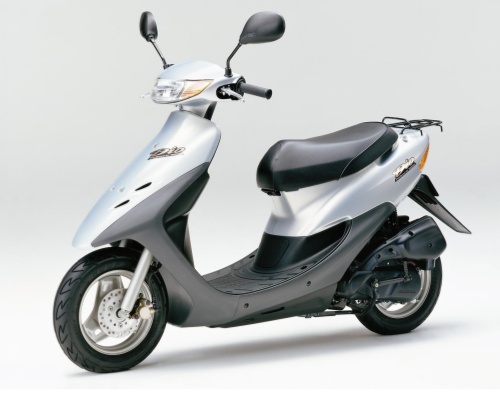
Small-displacement scooters commonly operate in urban environments involving frequent starts, stops and low-speed acceleration. Their compact CVT systems require flexible drive belts capable of operating around relatively small pulley diameters while maintaining stable transmission performance. Typical model families include Honda Dio 50/110, Honda Today 50, Honda Giorno 50, Yamaha Jog 50, Yamaha Vino 50, Suzuki Let's 4 and Suzuki Address V100. Suitable single-cog and other specified CVT belt constructions are available according to the original transmission requirements. |
|
|
Commuter & Sport Scooters |
|
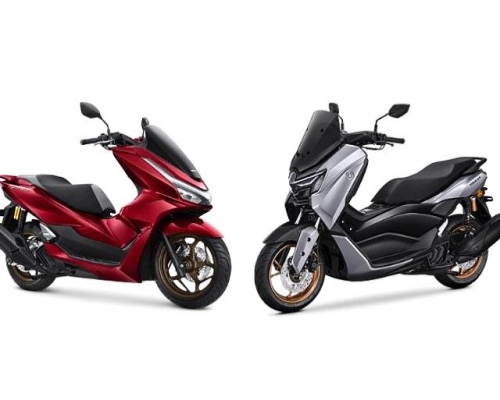
Commuter and sport scooters in the 125–160cc class require reliable CVT operation during daily transportation, city traffic and frequent acceleration. Belt dimensions and reinforcement specifications vary according to the vehicle's engine and transmission design. Common CVT-equipped model families include Honda PCX 125/160, Honda Activa 110/125, Yamaha NMAX 155, Yamaha Cygnus X125, Yamaha RayZR 125, Suzuki Address V125 and Vespa Primavera 150. TRANSCO offers compatible motorcycle variable speed belt specifications for selected models in this category, with single-cog or double-cog configurations determined by the original drive system. |
|
|
Maxi Scooters & Higher-Load CVT Drives |
|
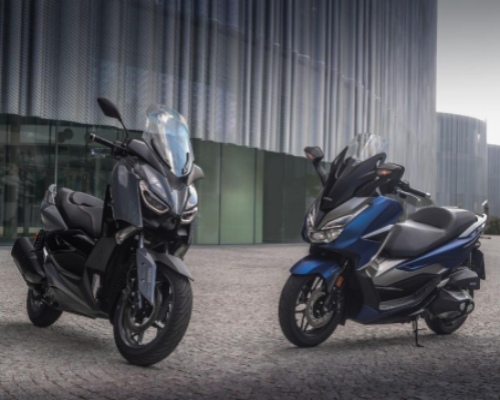
Maxi scooters and larger-displacement automatic motorcycles operate under greater transmission loads during acceleration, sustained cruising and extended riding. These applications require appropriate belt geometry, transverse support and thermal durability. Representative CVT-equipped model families include Yamaha Majesty 250, Yamaha XMAX 300, Honda Forza 250/350, Honda Fusion 250 and Honda ADV350. Selected reinforced and double-cog CVT belt constructions are available for higher-load transmission requirements. The appropriate belt design depends on the original pulley system, belt dimensions and vehicle specification. |
|
|
Three-Wheeled Utility Scooters |
|
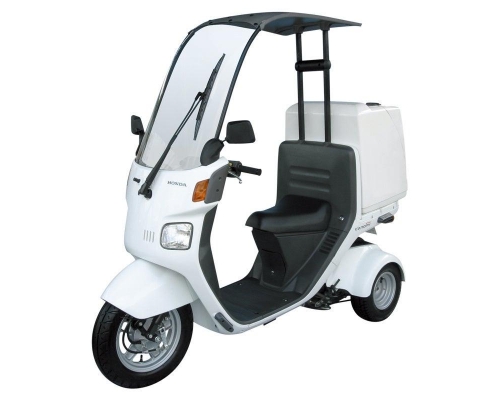
Three-wheeled utility scooters equipped with belt-type CVT systems are used for short-distance transportation, delivery services and commercial operations. Repeated stop-start driving and varying payload conditions create specific demands on the transmission belt. Typical applications include selected Honda Gyro X and Honda Gyro Canopy models. Compatible replacement belts are identified according to the original part number, vehicle version and CVT transmission specifications. |
|
|
ATV, UTV & Snowmobile CVT Systems |
|
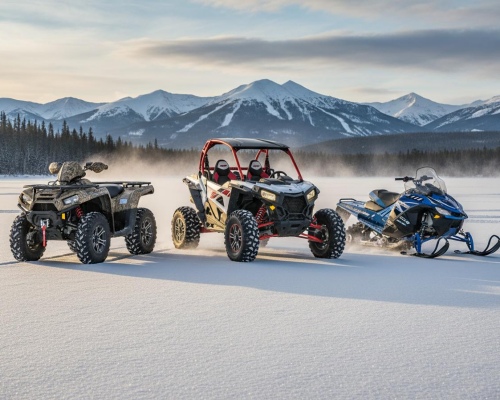
Selected powersports vehicles, including all-terrain vehicles (ATVs), utility task vehicles (UTVs) and snowmobiles, also use belt-type continuously variable transmissions. These applications can involve higher torque loads, rapid acceleration, repeated speed-ratio changes and demanding operating environments. TRANSCO supplies selected reinforced and double-cog variable speed belt constructions for compatible powersports CVT systems, according to the required belt dimensions and performance specifications. Powersports CVT belts are selected for their specific transmission systems and should not be treated as interchangeable with conventional scooter CVT belts. |
Packaging & Shipping and Custom Supply
Packaging & Shipping
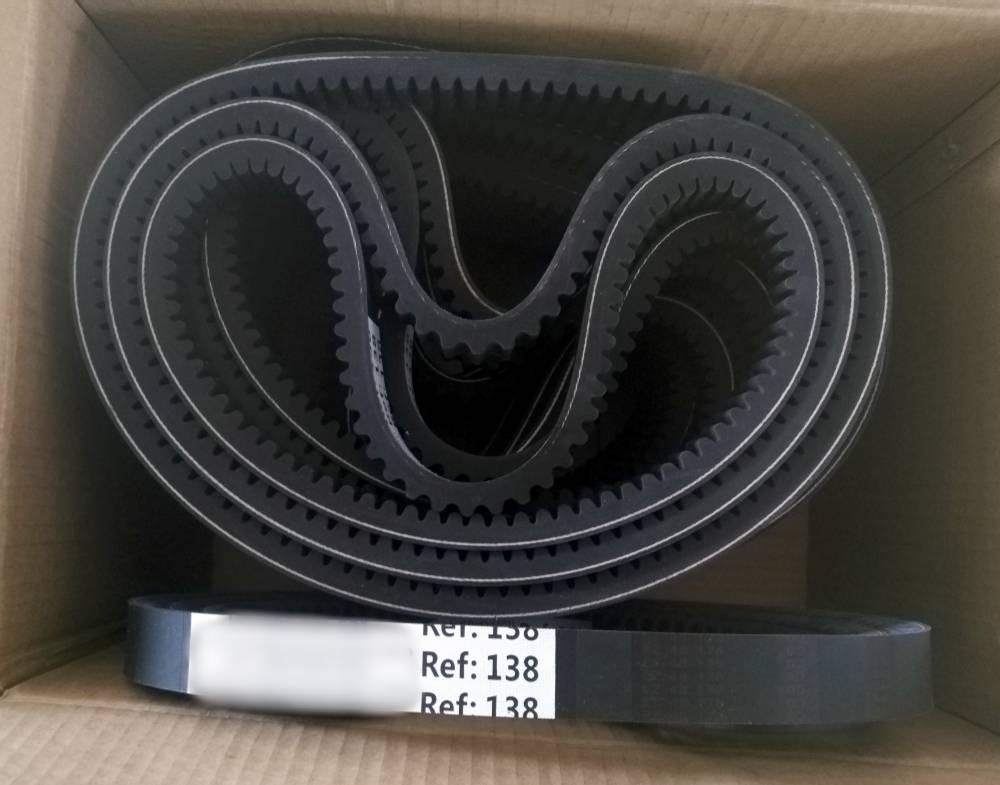
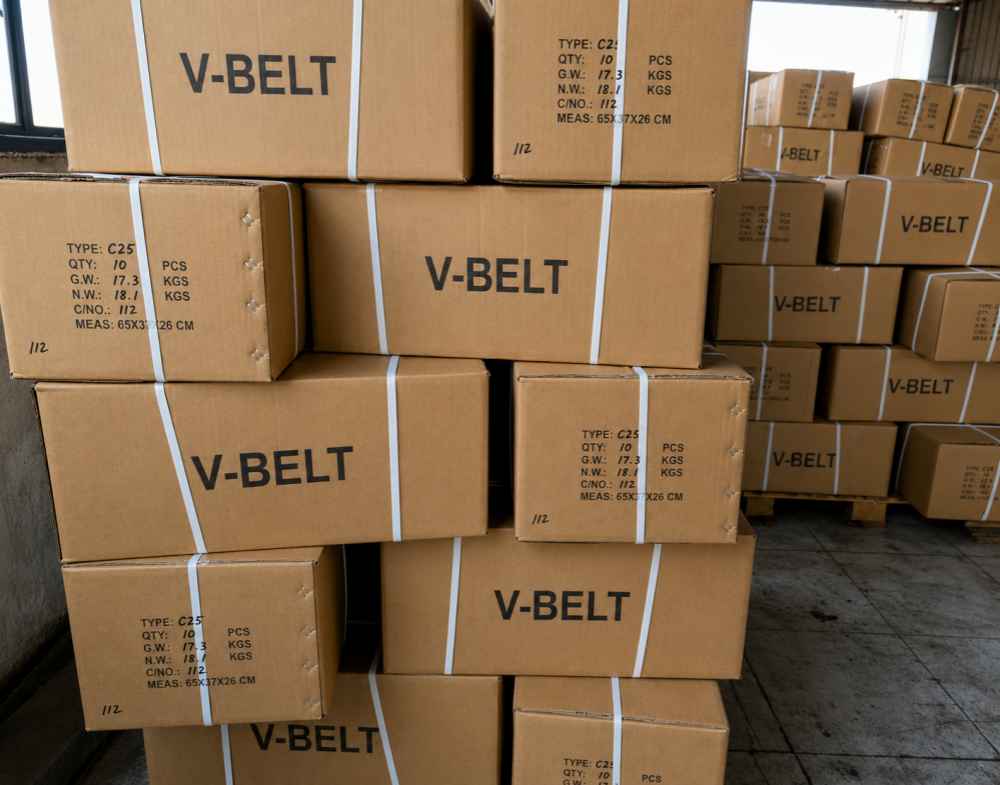
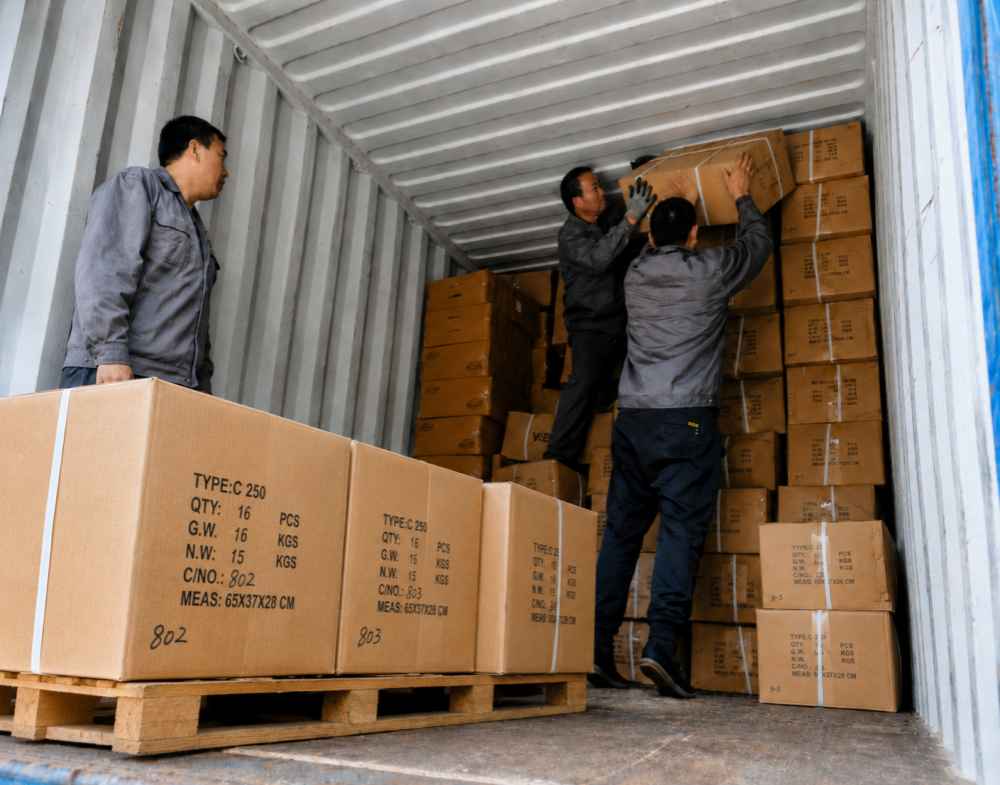
TRANSCO arranges packaging according to belt size, order quantity and shipping requirements. Motorcycle CVT drive belts can be identified with their belt section, tooth configuration and reference information, with protective packaging and suitable outer cartons specified for the order. Label content, individual packing and bulk-carton arrangements can be confirmed before production and dispatch to reduce mixing between visually similar single-cog and double-cog models.
For international shipments, we coordinate order identification, carton marking and shipment documentation according to the agreed delivery requirements. Packaging artwork, packing quantity and logistics terms are confirmed for each purchase order.
Custom Motorcycle CVT Belt Supply
We support both single cog and double cog motorcycle variable speed belts, including standard VS cross-sections and specified custom belt dimensions. Depending on the application and construction, available design selections include EPDM rubber, polyester or aramid tensile cords, aramid-fiber-reinforced elastomer options, specially formulated adhesion gum, and an optional fabric cog jacket. Tooth geometry, top width, height, angle, belt length and reference marking are reviewed as part of the required specification.
To evaluate a custom or replacement CVT belt, customers can provide the original belt designation or OEM number, transmission/vehicle information, a dimensional drawing or sample, estimated order quantity and intended operating conditions.
|
|
|
|
Frequently Asked Questions
A photograph or physical sample can also help identify the required belt. However, dimensions taken from a worn or stretched belt may differ from the original specifications, so vehicle and transmission information should be checked before confirming the replacement.
These references are used for replacement identification and do not mean the belts are genuine parts manufactured or packaged by Honda, Yamaha, Suzuki or other motorcycle brands. We supply replacement products according to the corresponding specifications and confirmed application requirements.
Even small dimensional differences can affect how the belt sits between the pulley faces and moves through the transmission ratio range. Always confirm the complete belt specification and OEM reference before selecting an alternative.
These values are not automatically identical or interchangeable. When comparing motorcycle CVT belt dimensions from different suppliers, confirm which length convention is being used. The measurement basis should be consistent before determining replacement compatibility.
The two constructions can differ in flexibility, transverse stiffness, belt thickness and behavior around variable-diameter pulleys. Replacement is appropriate only when the alternative belt has been verified for the original CVT transmission, including its pulley geometry, dimensions and operating requirements.
Vehicle acceleration also depends on the variator, roller weights, clutch, pulley condition, belt dimensions and overall transmission setup. The correct belt should match the original drive requirements rather than be selected solely by material or cog type.
During inspection, check for excessive width loss, cracking, frayed edges, missing or damaged cogs, abnormal surface wear and signs of overheating. Replace the belt when it reaches the manufacturer's wear limit, shows significant damage or reaches the specified replacement interval.
There is no single replacement mileage that applies to every scooter CVT belt.
A belt that is too long or otherwise mismatched can affect the working pulley positions and reduce acceleration performance. Persistent slipping can generate additional heat and accelerate belt wear.
The belt, variator, driven pulley and related transmission components should be inspected together to identify the actual cause.
Remove old belt residue and other contaminants using cleaning methods approved for the transmission. Follow the vehicle manufacturer's installation procedure and ensure that the belt sits correctly in the pulley system.
Avoid forcing, twisting or sharply bending the belt during installation. Do not apply oil or grease to the frictional working surfaces.
Keep belts in suitable packaging and avoid tight folding, sharp bending or stacking arrangements that could permanently deform the belt.
Proper storage helps preserve belt dimensions, rubber condition and reinforcement integrity, especially for distributors and customers holding replacement belts in inventory for extended periods.